How OpenAI turned its coding tools into dots, an always-on personal assistant
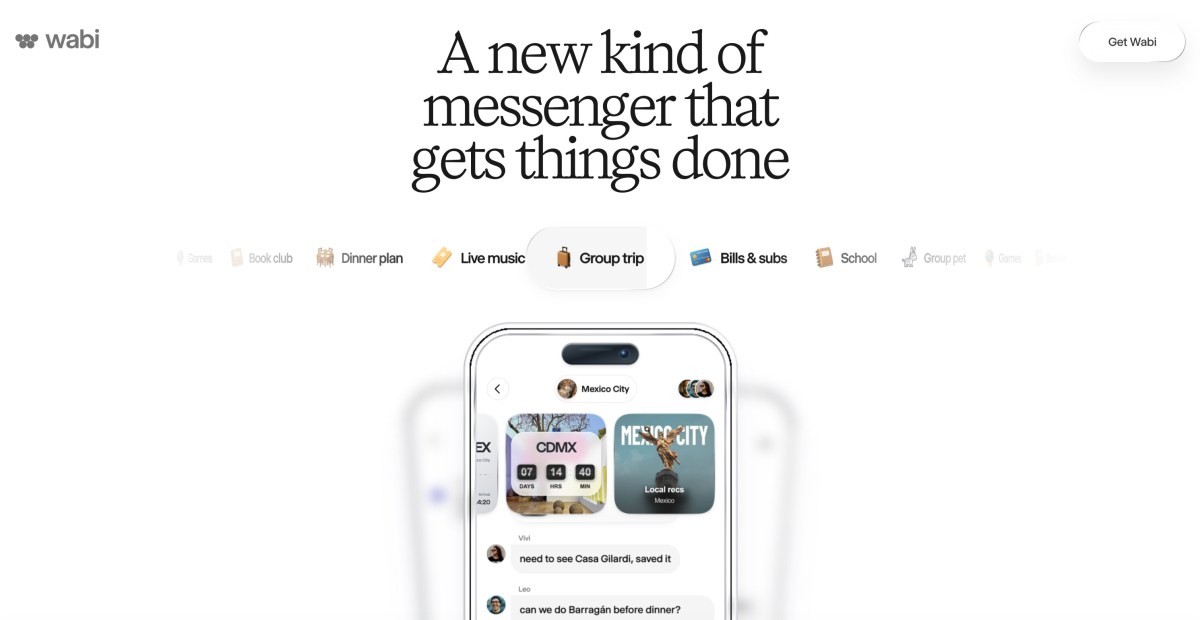
Alexander Embiricos, the OpenAI executive responsible for dots, never wants to have a meeting with someone else's AI agent.

The artificial intelligence landscape is shifting rapidly as tech giants strive to seamlessly integrate advanced systems into daily workflows. OpenAI is actively evolving its existing coding tools into an always-on personal assistant designed to support developers and creators around the clock. This new paradigm aims to bridge the gap between human intent and software execution more effectively than ever before.
At the helm of this initiative is Alexander Embiricos, an OpenAI executive leading the project known as dots. Embiricos has made it clear that he never wants to participate in a meeting dictated or mediated by someone else's AI agent, highlighting a vision centered on autonomous, deeply personalized user experiences rather than sprawling agent-to-agent networks. The focus remains on empowering the individual user.
For the global tech community, including emerging markets and regions like Central Asia, the rise of persistent AI assistants marks a major milestone in productivity software. Automating complex coding and workflow tasks allows engineers to focus on higher-level problem-solving and innovation. As these tools become more integrated, they redefine what it means to collaborate with software in a professional environment.
The transition from traditional software applications to continuous, proactive assistants reflects a broader industry trend toward context-aware computing. Rather than waiting for prompts, an always-on assistant anticipates needs and provides relevant insights instantly. This continuous availability transforms how technical projects are managed, tracked, and executed from inception to completion.
Ultimately, OpenAI's efforts to redefine coding assistants into personalized, ubiquitous utilities signal a new chapter for software development. As these technologies mature, they will continue to shape the expectations of developers and enterprises worldwide, setting a high benchmark for future autonomous systems.