Is it legal to train AI models on copyrighted books? It’s complicated
Most published authors have unknowingly contributed to the development of AI tools that threaten their livelihoods, sparking legal debates.
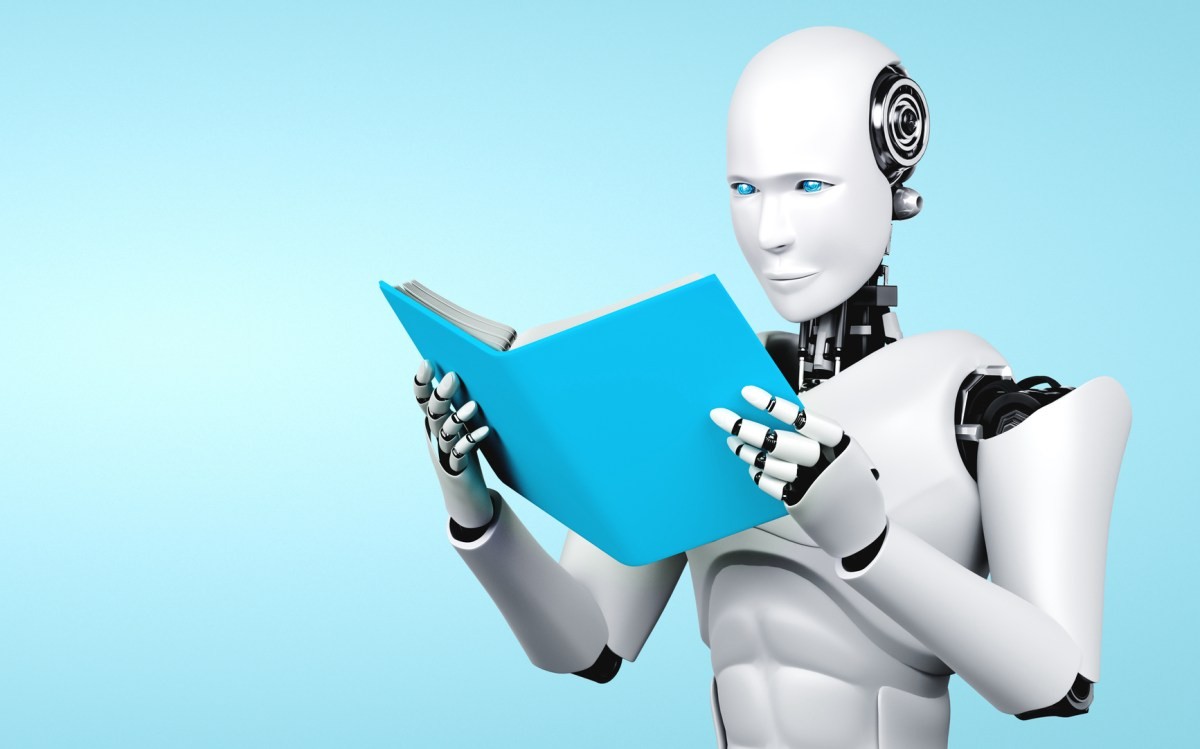
The rapid advancement of artificial intelligence has ignited intense debates regarding copyright law and intellectual property rights. Many published authors have discovered, often to their surprise, that their literary works are being utilized to train AI models without their knowledge or explicit consent. This practice has raised critical ethical and legal questions across the publishing and tech industries.
Authors are justifiably concerned that their creative efforts are being harnessed to build technologies that could eventually undermine their professional livelihoods. While AI developers argue that vast amounts of data are essential for technological progress, creators feel exploited. The intersection of generative AI and copyright law remains a legal gray area.
From a legal standpoint, the situation is extraordinarily complex. Courts and regulators are currently struggling to balance the rights of content creators with the technological imperatives of AI innovation. Fair use doctrines and copyright infringement claims are being tested in unprecedented ways, with no universal consensus yet reached.
For the global tech ecosystem, including emerging digital markets, this issue highlights the urgent need for clear regulatory frameworks. As artificial intelligence continues to reshape industries, establishing fair guidelines for data usage will be crucial to protect creators while fostering technological growth.