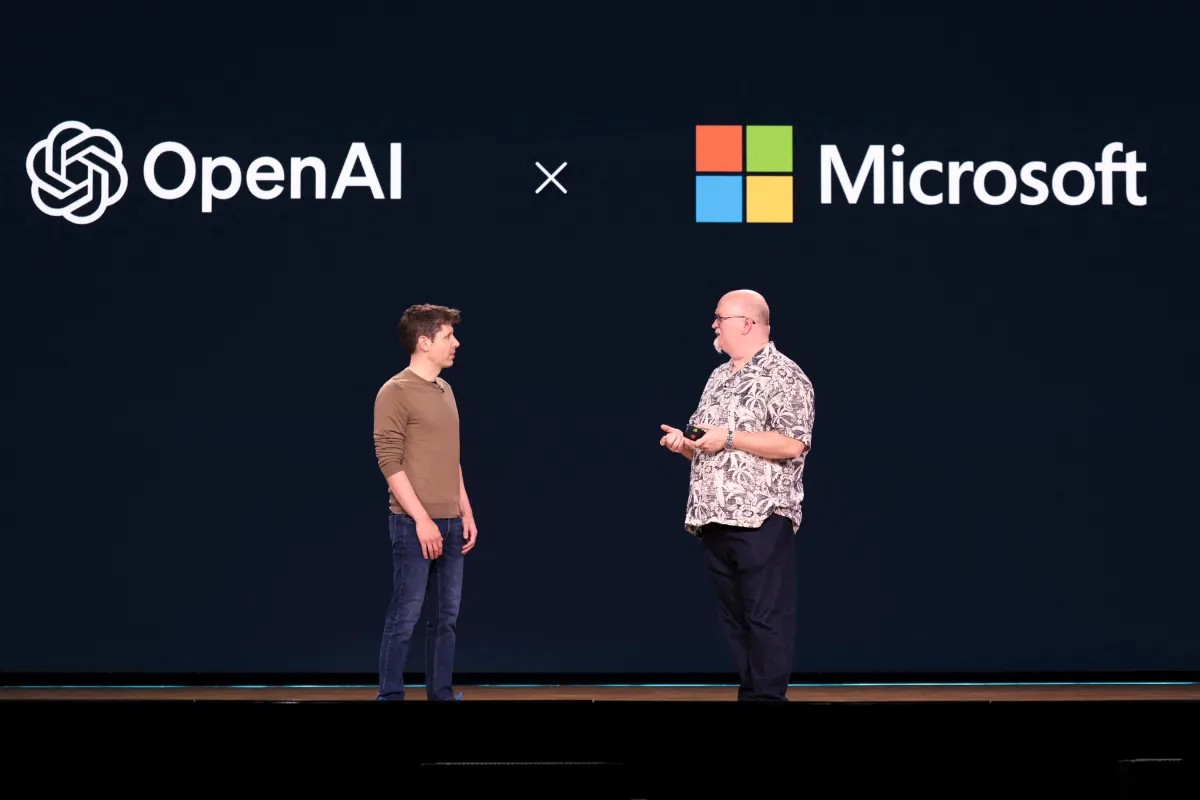
AI and Politics: Grok and OpenAI models show stark partisan divides
A new study reveals that Grok overwhelmingly recommends Republican candidates while OpenAI's GPT favors Democrats.
The ongoing debate over the political neutrality of artificial intelligence has taken a new turn following the publication of a comprehensive study analyzing the behavior of major AI models in political contexts.
According to TechCrunch, the study examined nearly 500 election races and found a striking divergence between leading systems. Specifically, xAI's Grok model overwhelmingly recommended Republican candidates, whereas OpenAI's GPT model favored Democrats.
The two AI models disagreed in more than 90 percent of the analyzed election scenarios. This vast discrepancy highlights how training data, algorithmic design, and underlying directives can heavily influence the outputs and apparent political leanings of advanced neural networks.
As millions of users worldwide increasingly rely on artificial intelligence for information and decision-making, the implications of biased algorithms extend far beyond domestic politics. Tech audiences globally are closely watching how developers address these fundamental challenges.
Ultimately, these findings emphasize the pressing need for greater transparency, accountability, and neutrality in AI development, ensuring that foundational technologies remain objective tools rather than ideological actors.