I split Claude, Gemini, and ChatGPT into work, home, and casual, and it is a mixed bag
Assigning distinct roles to Claude, Gemini, and ChatGPT proved to be a double-edged sword for productivity.
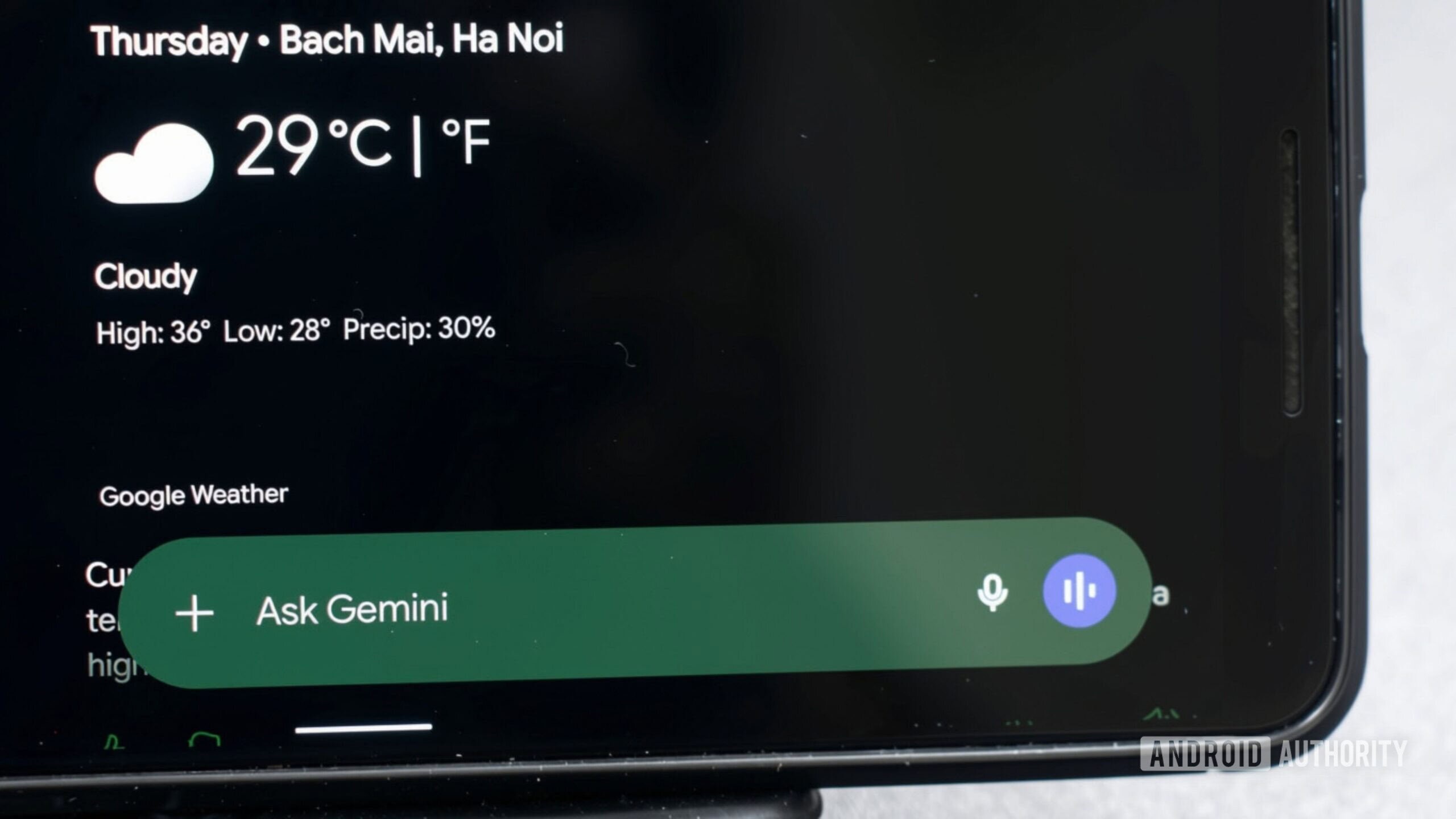
As the number of AI assistants grows, users are constantly looking for ways to integrate them efficiently into their daily routines. An Android Authority author decided to run a unique experiment by assigning specific roles — work, home, and casual tasks — to ChatGPT, Claude, and Gemini.
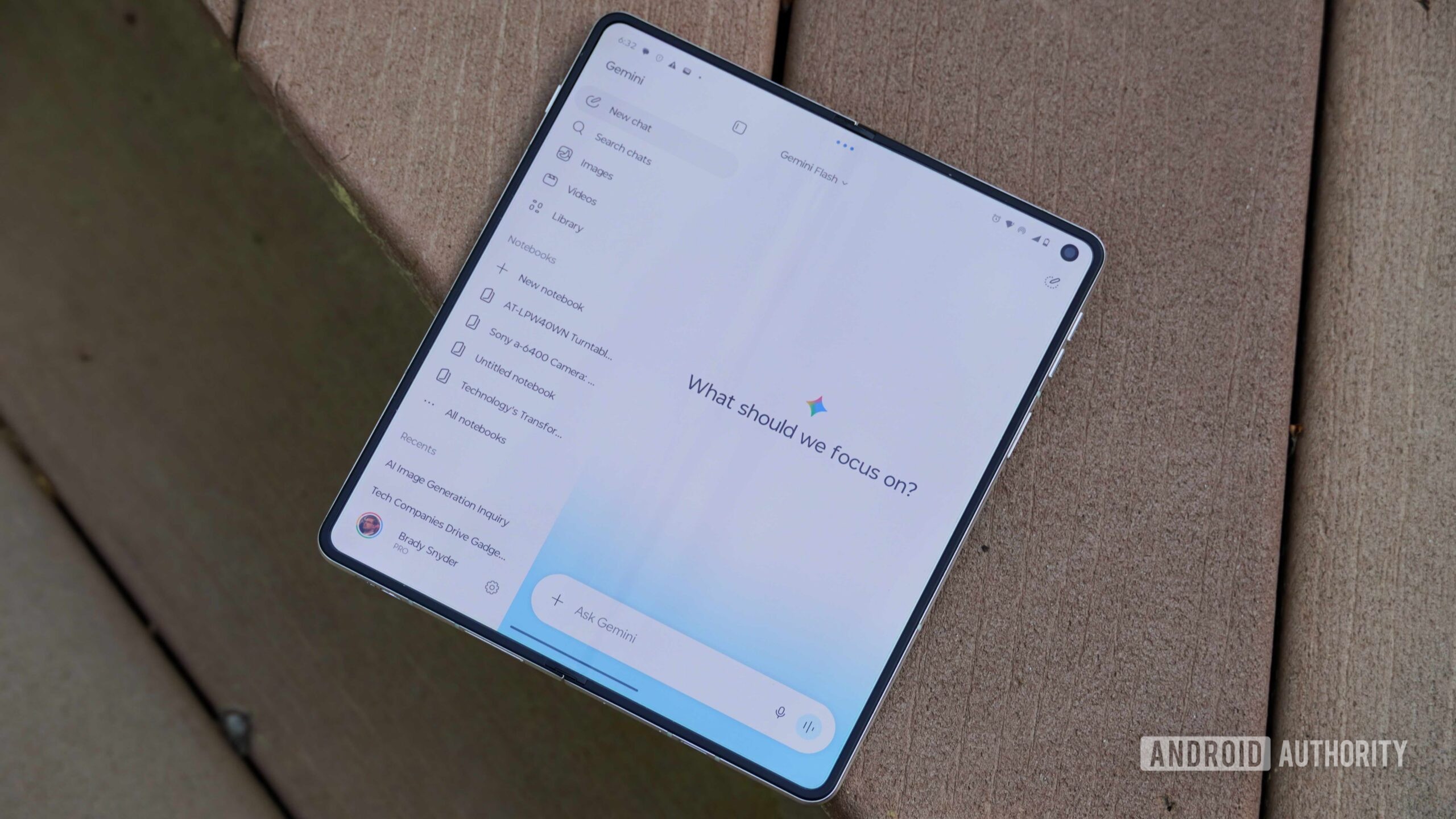
Throughout the test, each AI model demonstrated its distinct strengths and weaknesses. Claude excelled in handling text-heavy and creative workflows, whereas ChatGPT proved useful for everyday practical challenges. Gemini leveraged its ecosystem integration advantages.
However, this strict division of labor turned out to be a double-edged sword. There were instances where the author needed a specific model's capabilities outside of its assigned role, making the rigid setup somewhat frustrating.
For tech enthusiasts and professionals, this experiment offers valuable insight into AI workflow management. Categorizing tools can either streamline productivity or introduce unnecessary friction depending on how the user adapts.
Ultimately, the experiment highlights that there is no one-size-fits-all approach to using multiple AI assistants, and tailoring them depends heavily on individual workflow habits and preferences.