AI demand triggers massive PCB shortage for PC makers until 2030
The AI boom has sparked a severe shortage of printed circuit boards (PCBs) and components. Order books are full until 2030 as prices surge.
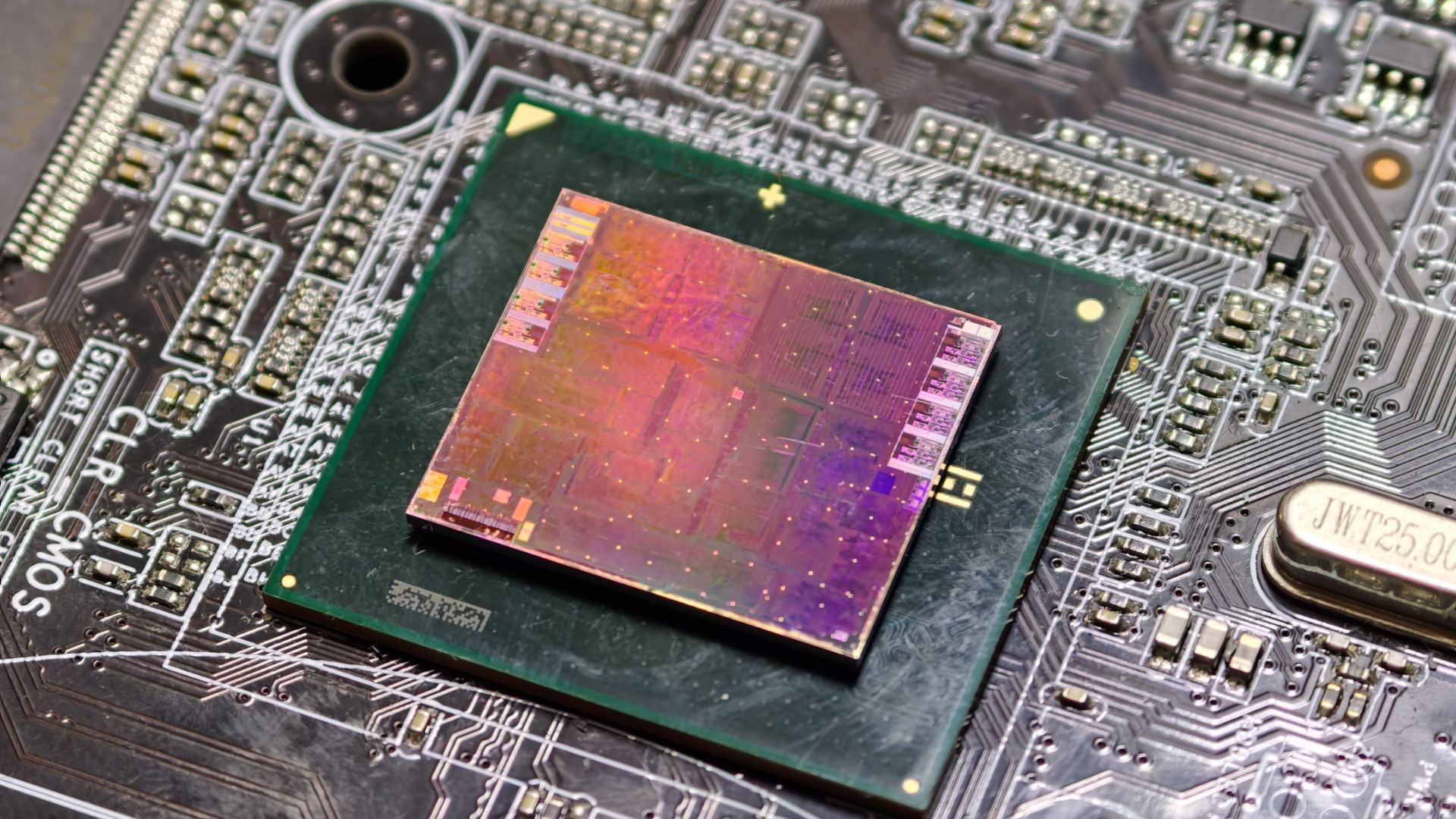
The artificial intelligence industry continues to consume manufacturing resources once dedicated to PCs, smart devices, and gadgets. Following surging prices in RAM, GPUs, and SSDs, the essential printed circuit board (PCB) industry is now facing major shortages. According to a Nikkei Asia report, leading electronics managers warn of severe supply constraints and rising prices in the coming months.
- AI data centers are devouring manufacturing resources meant for traditional PCs.
- Lead times for some PCB orders have doubled, stretching up to 30 months.
- Raw material costs have surged significantly, with order books full until 2030.
- Nvidia and other giants are aggressively securing chip substrate capacities.
Severe Supply Chain Bottlenecks An anonymous executive from an American PC maker told Nikkei about the dire shortage of PCBs affecting product planning for the upcoming year. Even though PC shipments might decline, securing enough board supplies remains an immense struggle. AI data centers are consuming production capacity because AI hardware demands and pays significantly higher prices, leaving traditional products underserved.
Suppliers further up the chain note that lead times have doubled, with some orders placed today not being fulfilled until late 2028. This situation is compounded by shortages of upstream materials like copper clad laminates (CCLs) and specialized fiberglass.
Material Cost Surges and Nvidia Partnerships A Taiwanese PC maker noted that CCL costs have surged at least 12 times since July. Furthermore, one of the world's leading suppliers reported that its order book is fully booked through 2030, despite expansion plans. Meanwhile, Nvidia has announced partnerships with major chip substrate makers like Japan's Ibiden, Samsung Electro-Mechanics, and Unimicron.
Read alsoDOJ probes Nvidia over Hugging Face acquisition worth 13 billion dollarsUnimicron alone plans to expand its capacity by 2.5 times over the next three years. Additionally, the industry is grappling with a shortage of skilled engineering staff, driving salaries up by 20% to 30% across the board.
What This Means for the Industry For the tech industry and consumers, this crisis signals rising hardware costs and prolonged delays. PCBs, long viewed as an unglamorous part of the supply chain, have become a critical bottleneck. Manufacturers must adapt to soaring expenses and shifting production priorities.
Source: Latest from Tom's Hardware