Flock Safety cameras face backlash as cities drop surveillance tech
At least 10 local governments and police departments have moved to drop or restrict Flock Safety surveillance cameras amid growing privacy concerns.
·2 min read
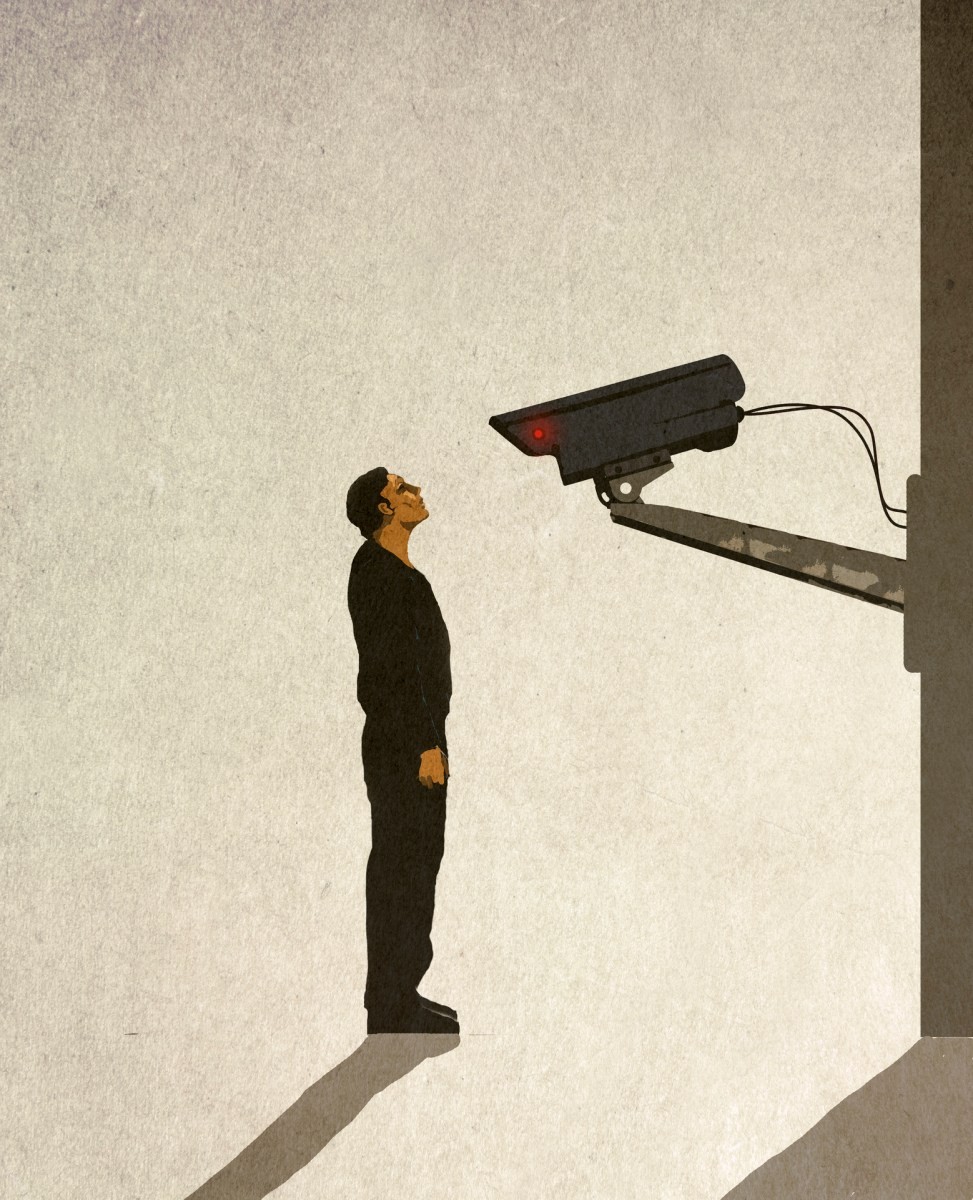
At least 10 local governments and police departments have moved since this summer to curb, restrict, or end their use of Flock Safety technology as concerns over mass surveillance and data privacy continue to grow. This backlash highlights increasing public skepticism toward advanced physical surveillance tools.
Overview of Flock Safety technology - Founded in 2017, Flock sells license plate readers, drones, and acoustic gunshot-detection edge-computing devices. - More than 100,000 Flock cameras are currently deployed nationwide to help law enforcement solve crimes and locate missing persons. - The technology has been widely adopted by police departments as a crucial asset for public safety.
Reasons behind contract terminations In recent months, cities such as Monroe, Ohio; Newburgh, New York; and Richmond, Virginia, have moved to terminate their contracts with Flock. The concerns range from data privacy and how information is shared to procurement transparency. Instances of misuse have further fueled opposition, including cases where police officers were accused of using the surveillance network to stalk former romantic partners during domestic disputes.
Federal access and company policy updates Critics have also raised alarms over federal immigration and law enforcement agencies allegedly querying local automated license plate reader databases without explicit local authorization. In response to mounting pressure, Flock announced it would shorten its default data retention period from 30 days to seven days and require agency case codes before running database searches.
Community response and future outlook While Flock maintains that customers fully own and control their data without any direct sales to federal agencies, communities are demanding greater a say in balancing public safety benefits against civil liberties.
Source: TechCrunch