Google Android XR smart glasses will hide faces from Gemini
Google details privacy safeguards for Android XR smart glasses, ensuring faces are blurred before Gemini processing and banning real-time facial recognition.
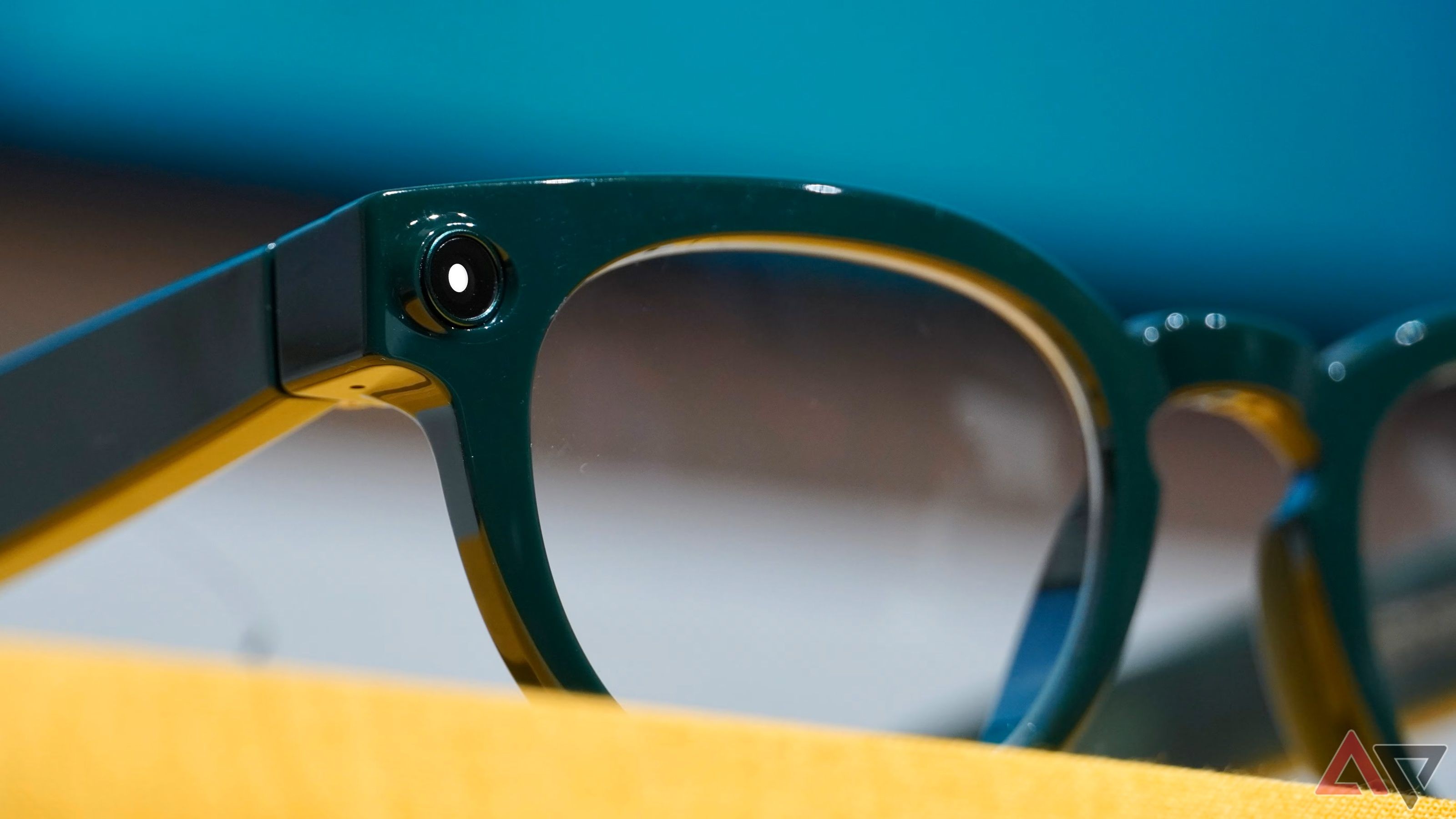
Google has revealed detailed privacy and security safeguards for its upcoming Android XR smart glasses, built in partnership with Samsung, Warby Parker, and Gentle Monster. The measures are designed to address major public concerns regarding unauthorized recording and surveillance.
- Faces of bystanders and the wearer are automatically redacted or blurred before images are sent to Google's servers for Gemini analysis.
- Third-party apps from the Play Store are strictly banned from using the cameras for real-time facial recognition or live streaming.
- The front-facing recording LED indicator cannot be tampered with or disabled; covering the light will automatically stop the camera from recording.
- Each pair features a physical power switch, with Samsung's initial lineup starting at $395 and shipping beginning on December 10, 2026.
Privacy Protection for Gemini Queries
According to Android XR Vice President Shahram Izadi, the glasses were engineered so personal assistance does not compromise privacy. When a wearer initiates a Gemini query—such as asking about surroundings or translating text—any faces in the camera view are automatically blurred prior to processing.
The same protection applies to the wearers themselves if they look into a mirror or point the glasses at their face. Furthermore, Google confirmed that visuals captured for Gemini queries will not be saved in history logs, used for AI training, or leveraged for targeted advertising.
Read alsoAnthropic raises billions in record-breaking IPO and cashes outDeveloper Restrictions and Hardware Safeguards
Google is implementing strict limitations for Android XR software developers. Play Store apps are prohibited from accessing cameras for live streaming or real-time facial recognition, allowing Google to maintain tight control over privacy standards through native applications.
The front privacy LED indicator includes anti-tampering protections. If users attempt to cover or disable the indicator light, the camera halts recording altogether. Additionally, a dedicated physical switch allows users to quickly power down the glasses when not in use.
Technical Specs and Availability
Samsung's first wave of intelligent eyewear features a 12MP ultrawide camera, built-in speakers, microphones, and a battery life of up to nine hours, which can be extended using its charging case. The glasses are compatible with iPhones and devices running Android 17 or One UI 9.
Preorders are currently open, with shipping scheduled to begin in the United States and South Korea on December 10, 2026, starting at an initial price of $395. These stringent privacy measures aim to prevent misuse similar to past controversies involving competitor smart glasses.
Source: Android Police