Hackers attack supermarket refrigerators across 9 European countries
Hackers breached refrigeration systems in supermarkets across 9 European countries, raising temperatures and spoiling food supplies.
·2 min read
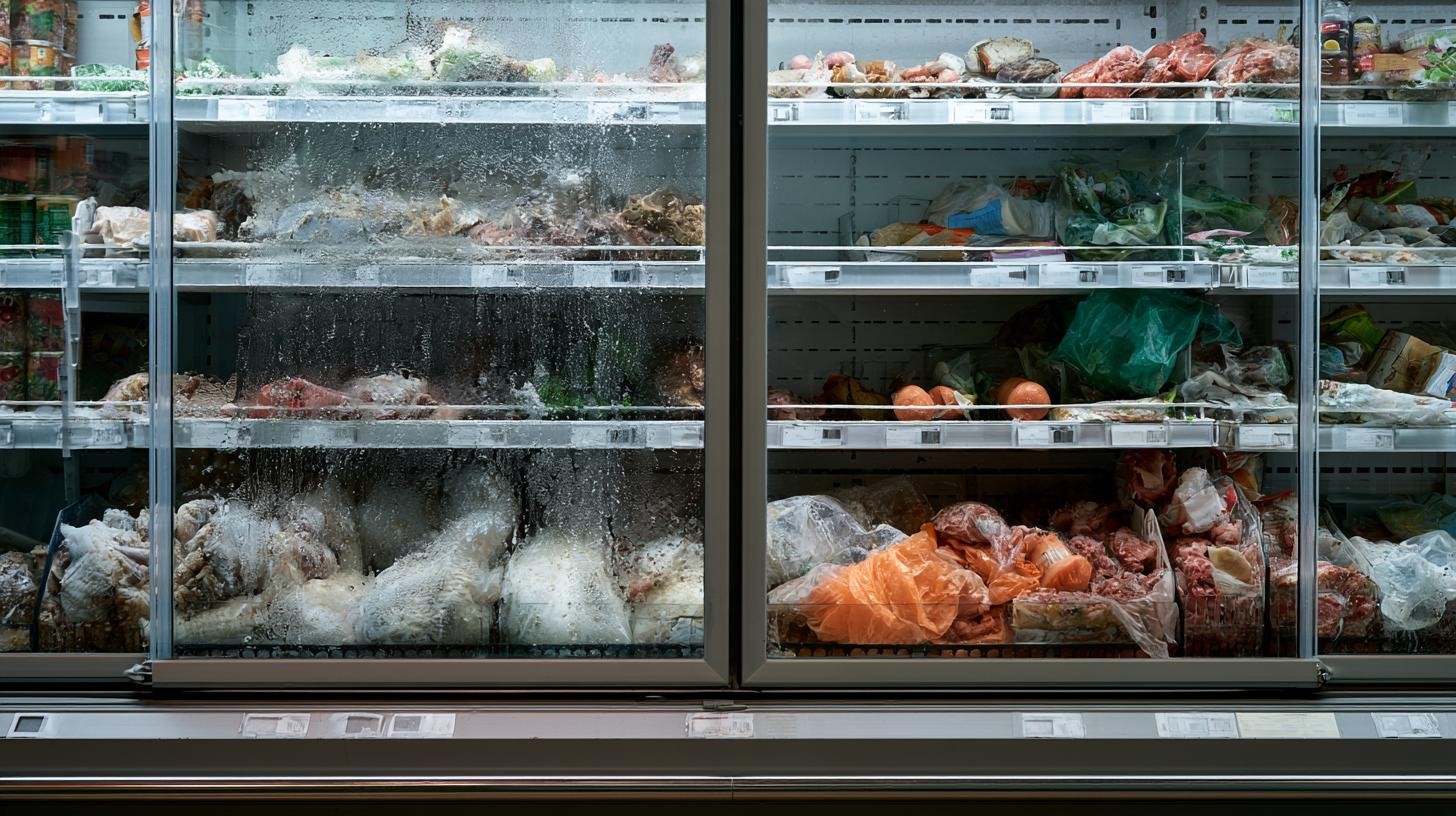
Hackers gained unauthorized remote access to the refrigeration control systems in supermarkets across at least nine European countries. The cybercriminals activated defrost modes and, in certain cases, heated the storage chambers to temperatures exceeding 50 degrees Celsius, rendering large quantities of food entirely unusable.
Qisqacha: - Hackers attacked supermarket fridges in 9 European countries. - Temperatures inside the storage units were forced above 50 °C. - Incidents affected Belgium, Italy, Portugal, and other nations. - A similar attack was previously recorded in France last October.
Geography and Scope of the Cyberattacks The first troubling reports emerged on Monday morning from Belgium, Ireland, Luxembourg, the Netherlands, Finland, Sweden, and Estonia. Later, it was revealed that stores in Italy and Portugal had also been affected. Specifically, refrigerators in at least three Coop supermarkets in Catania and another store in Palermo were disabled, while similar issues arose in seven Intermarche stores in Portugal. Some countries managed to successfully defend their infrastructure. In Denmark, five companies faced hacking attempts, but the attacks were successfully repelled without severe consequences. Latvia also recorded potential interference attempts, though no successful breaches of major retail equipment were officially confirmed.
Previous Incidents and IoT Vulnerabilities Experts note that this is not the first such incident in Europe, as a similar large-scale attack occurred in France back in October. At that time, more than 150 retail stores suffered damage, with spoiled goods amounting to millions of euros in losses. These new occurrences demonstrate that corporate IT infrastructure is no longer the sole target for hackers, who are now exploiting connected operational technology. Such attacks directly threaten the preservation of food supplies and expose critical security gaps in modern connected retail equipment. Industrial internet of things (IoT) devices often lack robust remote management security, leaving essential supply chains vulnerable to sabotage.
Significance for Retail Business and Security This wave of cyberattacks highlights the urgent need for retail enterprises to strengthen their industrial automation and IoT security protocols. The vulnerability of remote refrigeration management proves that traditional cybersecurity measures are no longer sufficient to protect critical commercial infrastructure and food safety.
Source: iXBT.com