Harbinger Raises $240M to Expand Electric Trucks and Defense Tech
EV startup Harbinger secured $240 million in Series D funding. The company is now pivoting toward defense applications and autonomous hybrid platforms.
·2 min read
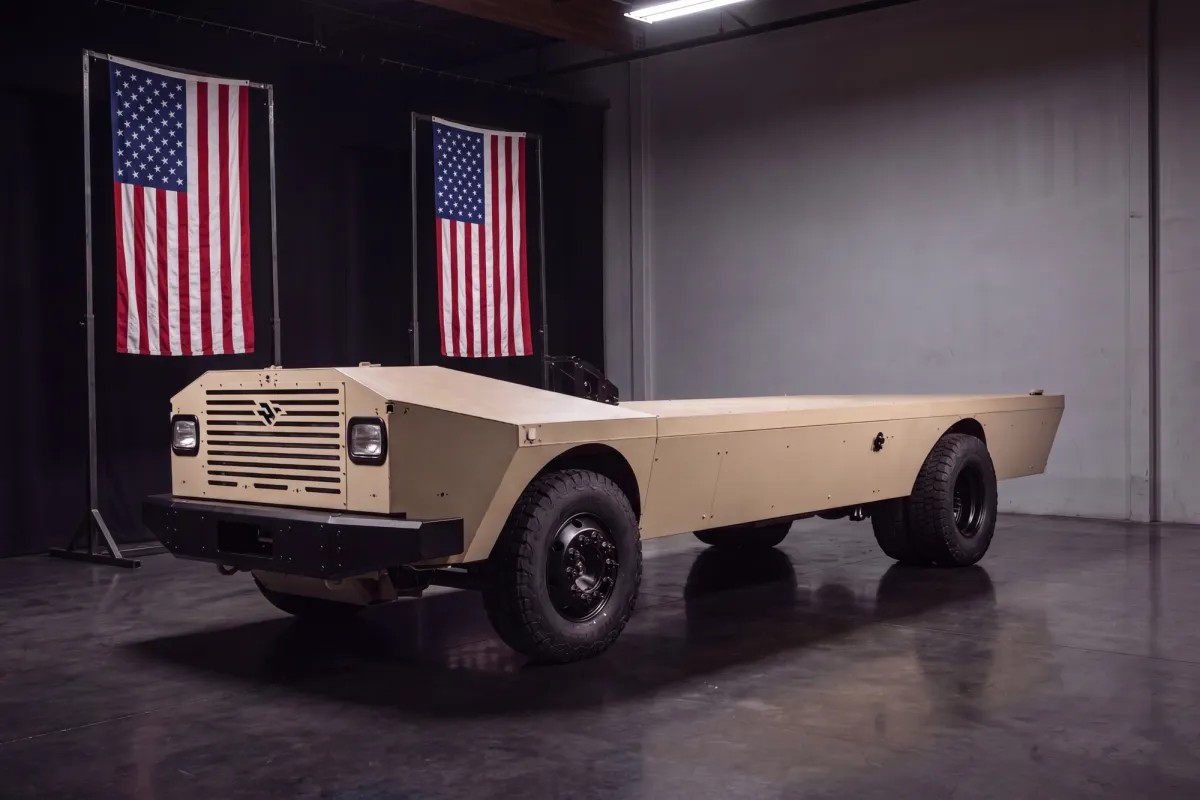
Los Angeles-based EV startup Harbinger has successfully closed a $240 million Series D funding round, pushing its total capital raised to over $650 million. The company is actively diversifying its product lineup beyond commercial electric trucks to include defense-grade driverless platforms.
- The round was co-led by Tiger Global, Capricorn, and defense-focused firm Ridgeline.
- FedEx has deepened its partnership with a $300M+ order for 2,000 electric trucks.
- Harbinger is developing autonomous hybrid platforms for military use.
- The startup is expanding into emergency vehicle production and energy storage.
Strategic Growth and Investor Confidence The involvement of defense-focused firms like Ridgeline marks a significant shift for Harbinger. By combining commercial logistics expertise with defense-oriented R&D, the company is positioning itself as a dual-purpose vehicle manufacturer. This strategy is reinforced by FedEx's continued investment and the addition of their senior leadership to Harbinger’s board, ensuring a strong path to commercialization.
Evolution of Technology and Scope Since its inception in 2022, Harbinger has moved rapidly from manufacturing simple electric chassis to building complex autonomous systems. The acquisition of Phantom AI was a pivotal moment, allowing the company to build driverless hybrid platforms. These advancements, paired with hybrid vehicle development for emergency services, showcase a multi-sector approach to electrification that is rare for such a young startup.
Industry Impact Harbinger’s success underscores a broader industry trend where EV startups prioritize specialized, high-demand niches over mass-market passenger vehicles. By securing large-scale government and industrial contracts early, Harbinger is creating a robust, recession-resistant business model that serves as a blueprint for other hardware-heavy tech firms.
Source: TechCrunch