Intel Nova Lake desktop chips reportedly face 5.1 GHz clock limit at 90°C
Leaked details suggest that Intel's Nova Lake processors will hard-cap core frequencies at 5.1 GHz once temperatures exceed 90°C.
·1 min read
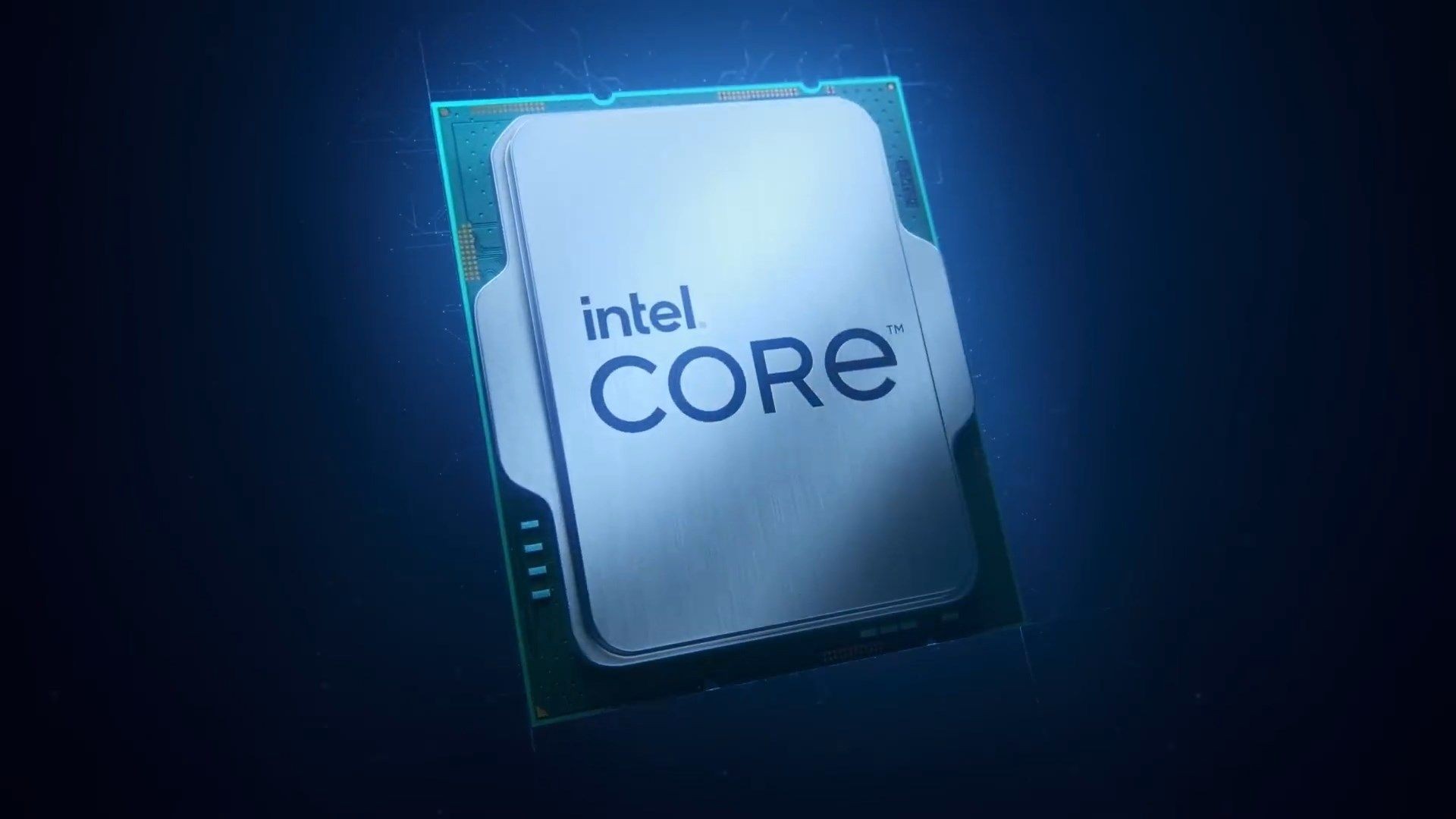
Intel leaker Jaykihn has revealed that the upcoming Nova Lake desktop CPUs may incorporate a strict thermal-based frequency limiter. According to the report, the processor will universally cap its maximum core clock at 5.1 GHz whenever the temperature exceeds the 90°C mark.
- Hard clock limit of 5.1 GHz triggers at 90°C.
- TJMax is set at 100°C for these processors.
- The thermal threshold for this limit cannot be adjusted.
- High-performance cooling is required for sustained high clock rates.
Thermal constraints and performance This behavior is reminiscent of Intel's Thermal Velocity Boost (TVB) but acts as a more rigid constraint. It does not mean the chip cannot exceed 5.1 GHz, but it does imply that hitting higher clock speeds is strictly contingent on maintaining optimal thermal conditions. For users who cannot keep the core temperatures below 90°C under load, the 5.1 GHz cap will significantly impact sustained performance in demanding tasks. ## Implications for overclocking The fact that this threshold cannot be raised poses a major challenge for enthusiasts. Historically, Intel has allowed some flexibility in adjusting throttle points, but if this limit is indeed hard-coded, users will likely need to rely heavily on undervolting to keep thermal output within the 90°C range to avoid frequency drops. This shifts the focus from aggressive voltage tuning to thermal efficiency management.
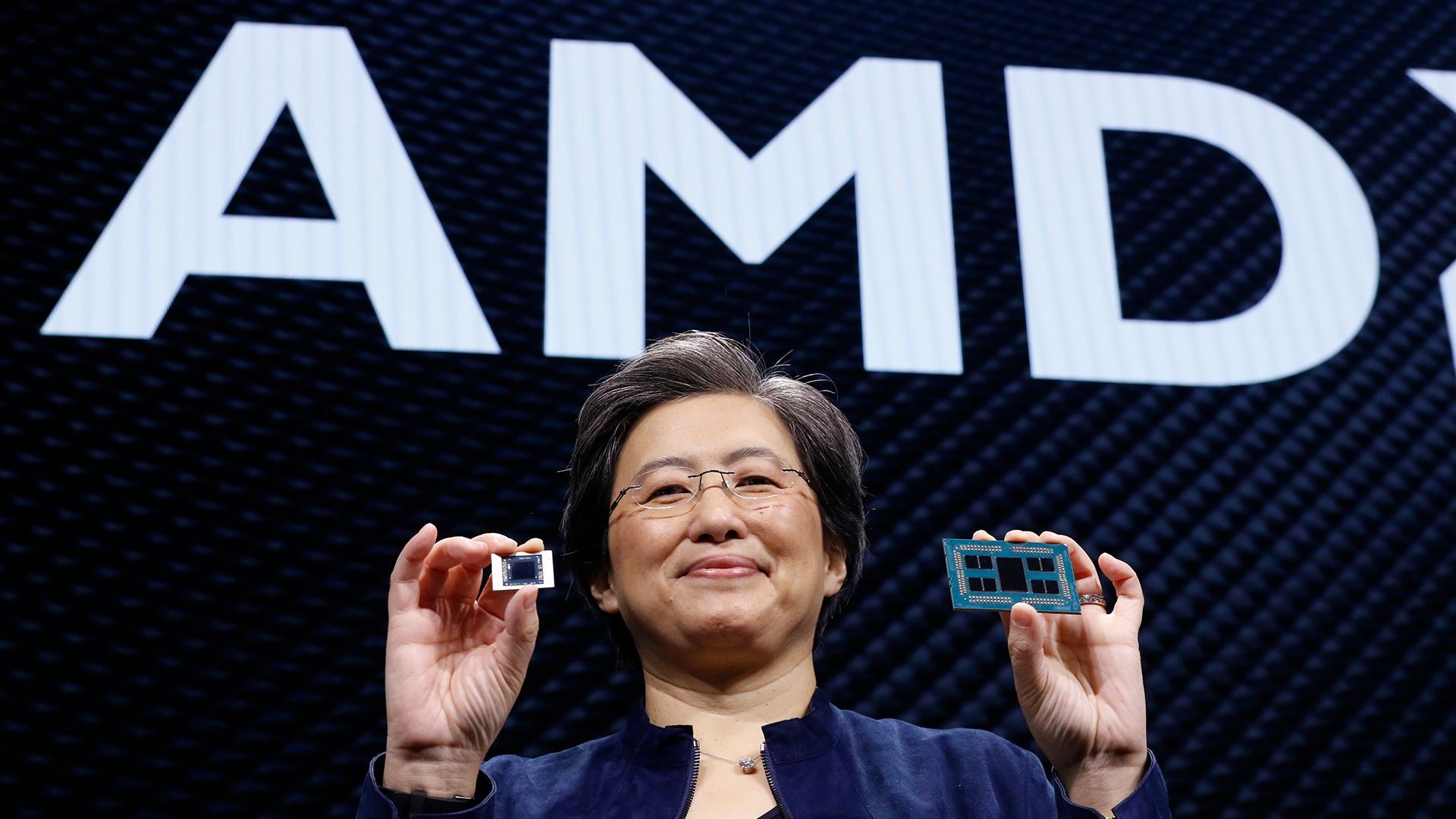
What this means for the industry For the global PC hardware market, this suggests that the bottleneck for future flagship processors may shift from raw silicon capability to thermal dissipation efficiency. While the chips are rumored to bring significant performance gains via new architectures and features like bLLC, the accessibility of those gains will be heavily gated by the quality of the user's cooling solution. It remains to be seen how these chips perform in real-world scenarios compared to AMD's upcoming Zen 6 lineup.
Source: Latest from Tom's Hardware