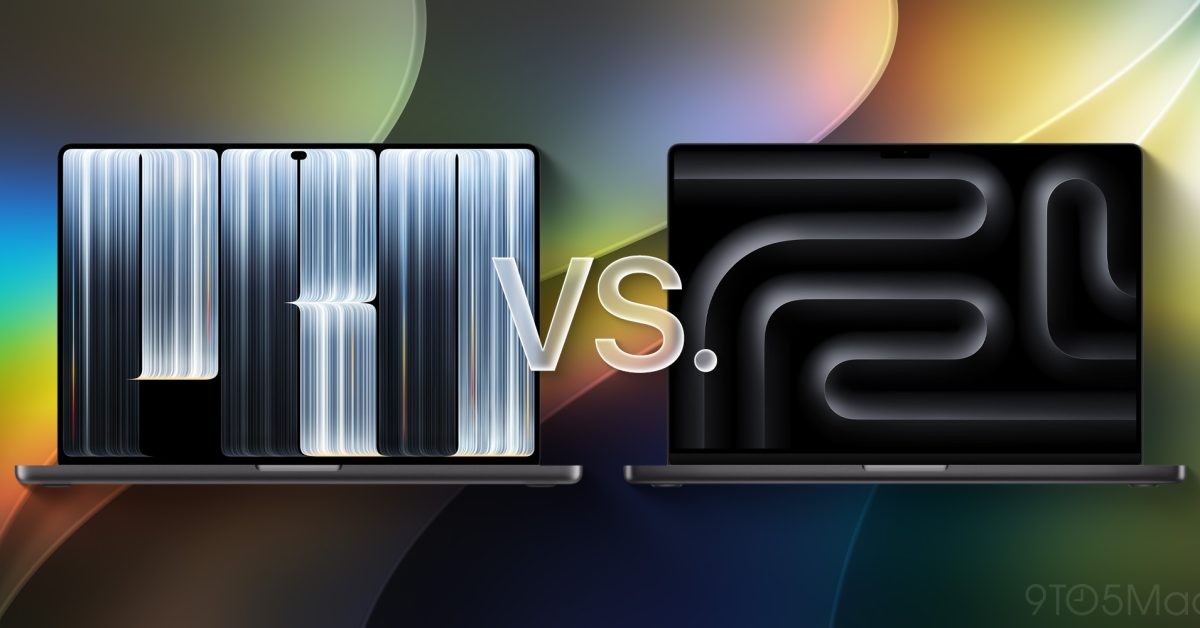
MacBook Pro Mini-LED vs. OLED: Every Difference and Buyer Guide
Comprehensive comparison between Apple's new PROLED XDR (OLED) and Liquid Retina XDR (Mini-LED) MacBook Pro models. Specs, pricing, and upgrade advice.
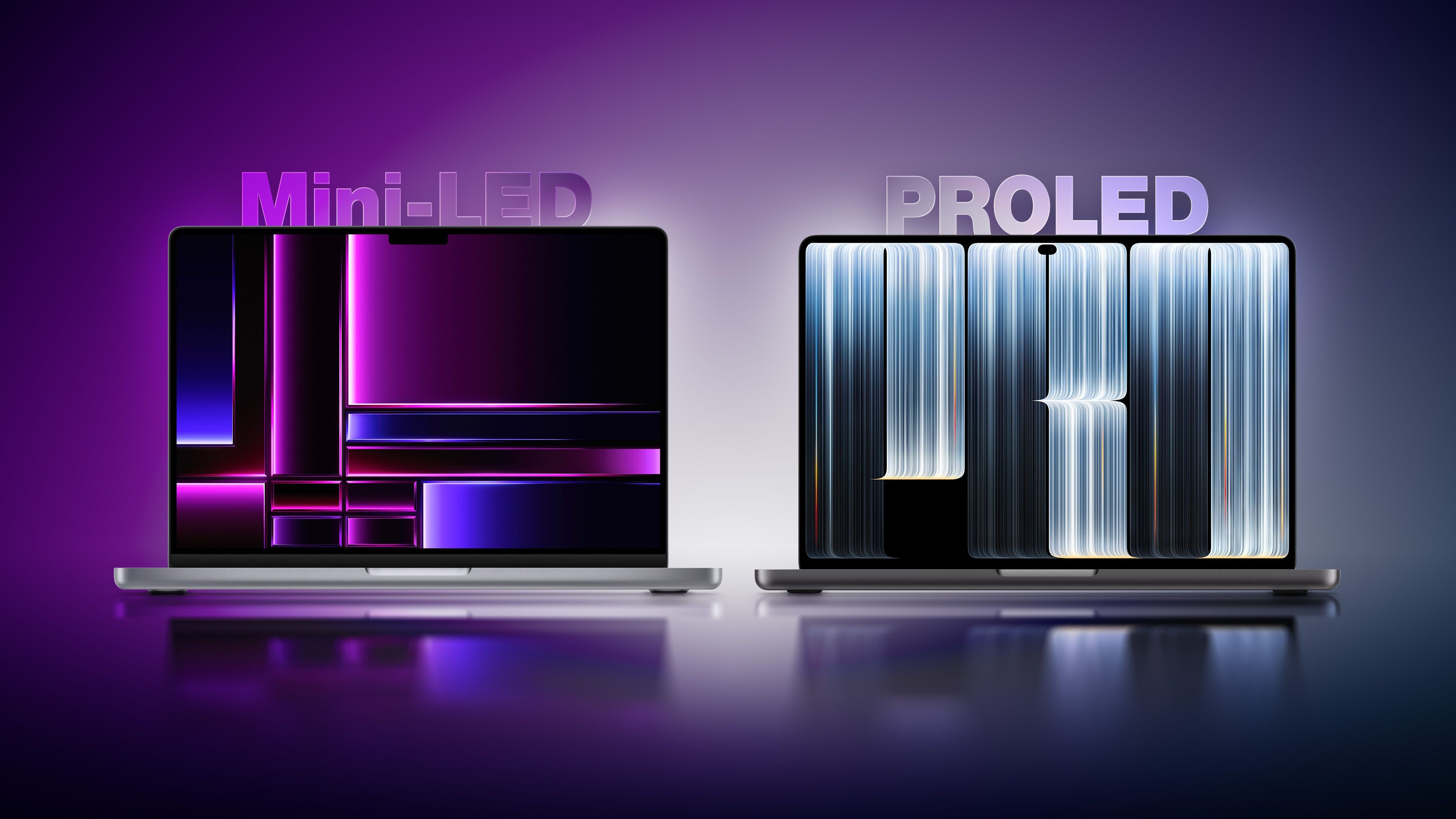
Apple has introduced new MacBook Pro models featuring PROLED XDR displays with tandem OLED technology, touchscreen input, the Dynamic Island, and a thinner design. These join the existing Liquid Retina XDR lineup introduced in March 2026, with both versions sharing the same M5 Pro and M5 Max chips.
- PROLED models carry a $400 starting-price premium over equivalent Liquid Retina XDR variants.
- PROLED features tandem OLED panels with a 10,000,000:1 contrast ratio, up to 2,000 nits peak brightness, and touch input.
- Chip options, maximum memory capacities, and battery life remain identical across both screen types.
- The new OLED laptops feature a significantly lighter design, reducing weight by about 13-15%.
Display and Technical Differences
The primary difference lies in the display technology. Liquid Retina XDR models use Mini-LED backlighting with local dimming, while PROLED XDR models utilize tandem OLED with self-illuminating pixels. The OLED display achieves a 10,000,000:1 contrast ratio, up to 2,000 nits peak HDR brightness, and adds Adobe RGB wide color gamut support alongside DICOM medical imaging reference modes.
Both versions deliver up to 1,000 nits of sustained full-screen brightness and retain a 1-nit minimum brightness. However, the PROLED version integrates a Multi-Touch sensor directly into the display panel, features slimmer borders, and adopts the Dynamic Island cutout in place of the traditional camera notch.
Read alsoApple expected to ship up to 1.5 million OLED touchscreen MacBook Pros in 2027Design, Dimensions, and Audio
Apple has achieved a substantial weight reduction with the latest models: the 14-inch PROLED starts at 1.38 kg, while the 16-inch version starts at 1.82 kg. The chassis is slightly thinner, and the hinge has been redesigned to provide greater stability during touchscreen interactions.
The upgraded audio system includes redesigned woofers delivering 50% deeper bass and improved tweeter clarity. The 12MP Center Stage camera now features advanced video stabilization to reduce camera-shake during touch use. Additionally, M5 Max configurations now support up to 16TB of internal storage.
Pricing and Is It Worth Upgrading?
Current U.S. starting prices put PROLED models $400 above their Liquid Retina XDR counterparts. Liquid Retina XDR models remain in the lineup and represent a sensible option if substantial discounts are available, especially for users working primarily with external displays.
For most existing M5 Pro or M5 Max MacBook Pro owners, upgrading is unnecessary since performance and battery life are unchanged. However, professionals requiring advanced OLED capabilities, Adobe RGB workflows, touch controls, or up to 16TB of storage will find clear value in the new PROLED models.