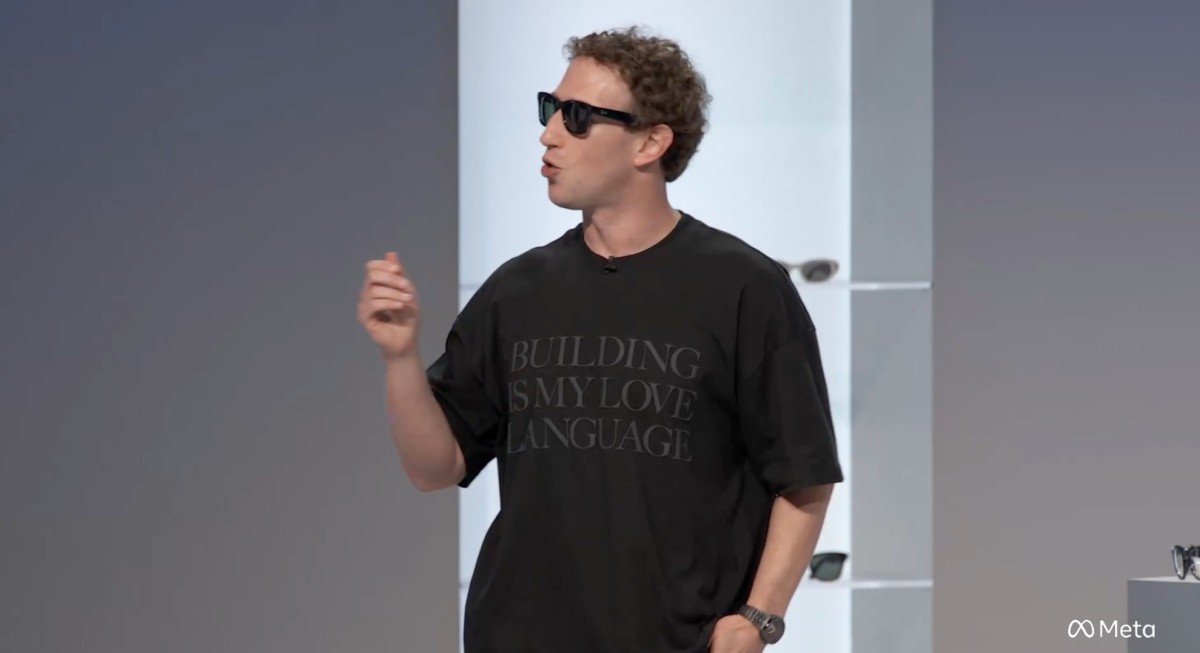
Meta adds real-time voice mode and animated avatars to Muse AI
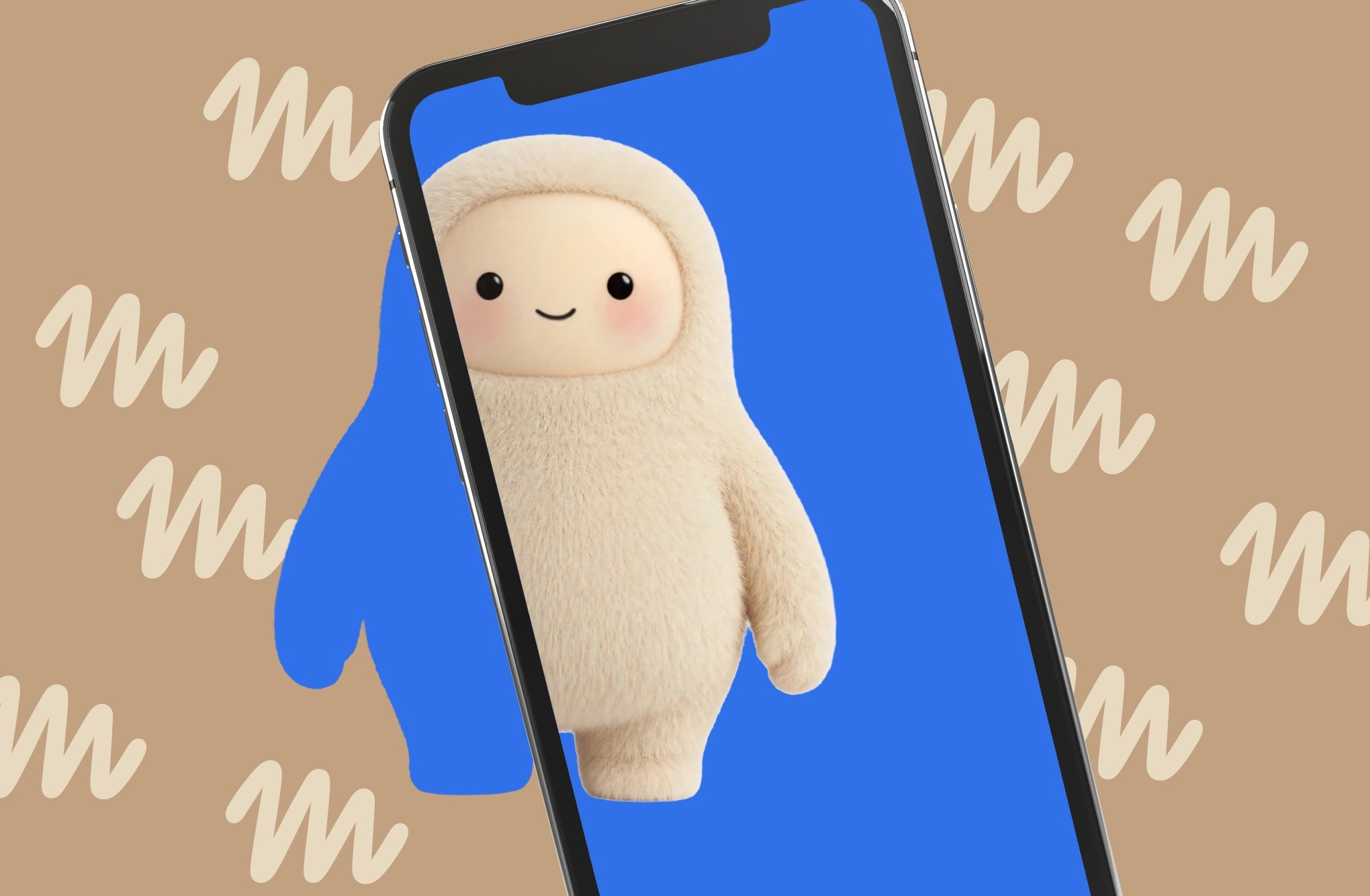
Meta has introduced a voice mode for its Muse AI agent, allowing real-time conversations with expressive, animated avatars that sync with the dialogue.
·2 min read
Meta has officially introduced a voice mode for its Muse AI agent, a feature announced by CEO Mark Zuckerberg. This update allows users to engage in real-time spoken conversations with their AI, making interactions feel more dynamic and conversational.
- Real-time voice interaction with expressive, animated avatars.
- Tone customization allowing users to pick from various options or request specific AI voices.
- Synchronized facial animations that react to the AI's speech in real time.
- Rolling out now for iOS users in the US, with support for smart glasses and the Muse Charm device coming soon.
Enhanced Interaction Experience The core of the Muse update is the integration of voice-responsive avatars. As the AI speaks, its avatar on the screen animates in sync with the words, creating a more immersive interaction. Users can control the personality and tone of the agent, providing a personalized experience. While the AI is highly responsive, some occasional pauses may occur during information retrieval, consistent with current text-based query speeds.
Roadmap and Device Compatibility Currently, the feature is being deployed to US-based iOS app users. Meta has confirmed that this functionality will soon extend beyond the smartphone screen. It is slated to arrive on Meta’s AI-powered glasses and will be a core feature of the upcoming Muse Charm gadget, which is scheduled for release later this year. This signifies Meta's broader strategy to integrate its AI services into wearable hardware.
Implications for the Tech Industry For the industry, this update highlights a significant shift toward 'ambient' AI, where voice is becoming the primary interface rather than a secondary input method. For developers and tech companies, it underscores the importance of low-latency voice processing and emotive visual feedback in building human-centric AI products. As these technologies evolve, they set a new standard for how global users will expect to communicate with virtual assistants in the future.
Source: The Verge