Neuralink Blindsight: Elon Musk details vision-restoring neural chip
Elon Musk shared details about the Neuralink Blindsight neural implant designed to restore sight to completely blind individuals.
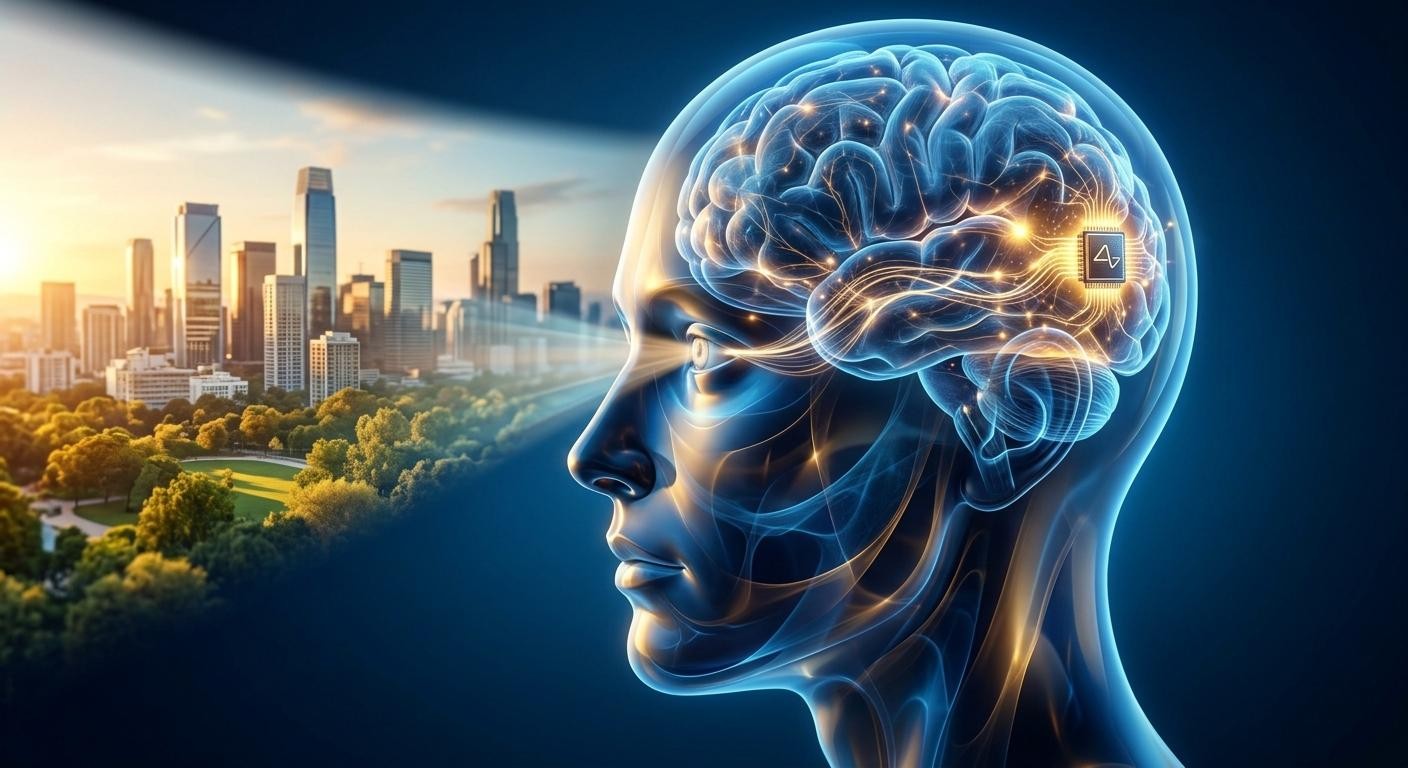
Neuralink is preparing to introduce its next revolutionary product, Blindsight, a neural implant intended to help completely blind individuals regain their sight. Company founder Elon Musk announced the new medical development, highlighting its immense potential.
- The device interfaces directly with the visual cortex of the brain
- The system uses special glasses with a built-in camera
- The implant converts visual data into electrical signals
- The project is currently awaiting regulatory approval
How Blindsight Technology Works
The working principle of the neural implant is built around bypassing damaged biological pathways. The system relies on external glasses equipped with a built-in camera that captures the surrounding environment and transmits data directly to the Neuralink implant.
The chip then translates this information into electrical impulses and routes them straight to the brain's visual cortex. This approach makes it possible to entirely bypass the eyes and optic nerves.
Read alsoNeuralink Brain Chips Will Help Paralyzed People Walk AgainWho Will Benefit from the New Implant
According to Elon Musk, Blindsight is specifically designed for individuals who have completely lost their sight, including those with damage to both eyes. The technology has the potential to assist even those who have been blind since birth.
At present, the hardware and software components are awaiting the necessary permissions from government regulatory agencies before broader clinical deployment can begin.
Prospects and Medical Significance
The advent of such technologies marks a new era in neurosurgery and the treatment of severe disabilities. Restoring vision to patients previously considered untreatable represents a major breakthrough for Neuralink and global medical science.
For patients and the tech community, this brings us closer to a future where neurointerfaces overcome physical limitations, although rigorous clinical trials and regulatory checks remain essential before widespread adoption.
Source: iXBT.com