Nintendo Switch 2 sales plummeted 41% following console price hikes
Nintendo reports a 41% decline in Switch 2 sales due to increased pricing. Investors are pushing for more blockbuster games to boost market performance.
·1 min read
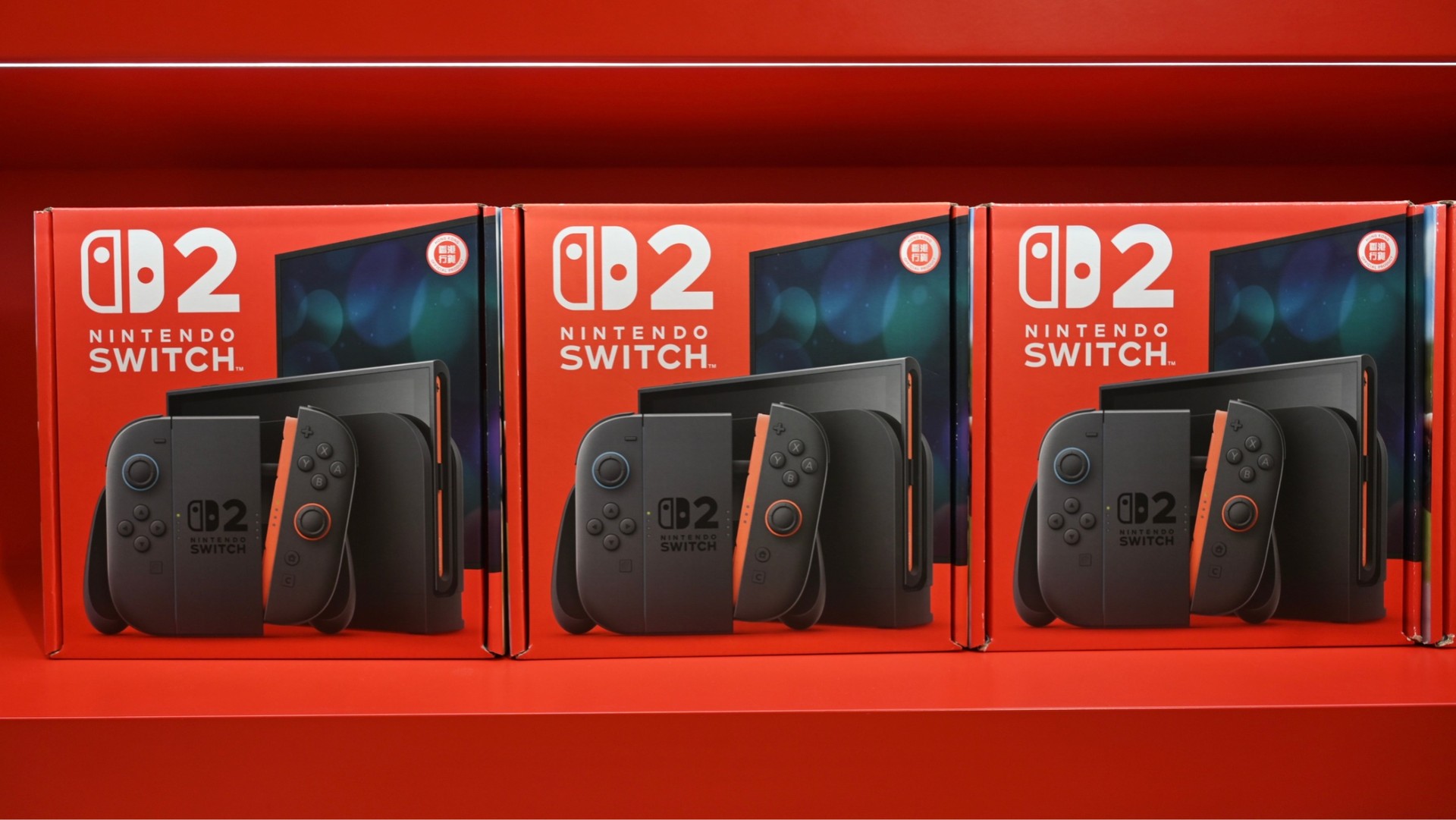
Nintendo has reported a significant decline in its Switch 2 sales performance during the second fiscal quarter. According to recent data, sales dropped by 41% compared to the same period last year, with only 2.67 million units sold between July and September.
- Sales volume fell by 41% following strategic price hikes in the US, Canada, and Japan.
- Investors are pressuring Nintendo to release blockbuster games to drive adoption.
- Key component supplier Macronix is prioritizing AI-driven flash memory over ROM chips.
- The company maintains its goal of selling 16.5 million units by March 2027.
Impact of Pricing on Consumer Demand The price increase across major markets was a calculated risk that, as predicted by industry analysts like Serkan Toto, led to an immediate contraction in hardware sales. Despite this, Nintendo management assures stakeholders that they remain on track to reach the 16.5 million unit milestone by the end of the current fiscal year.
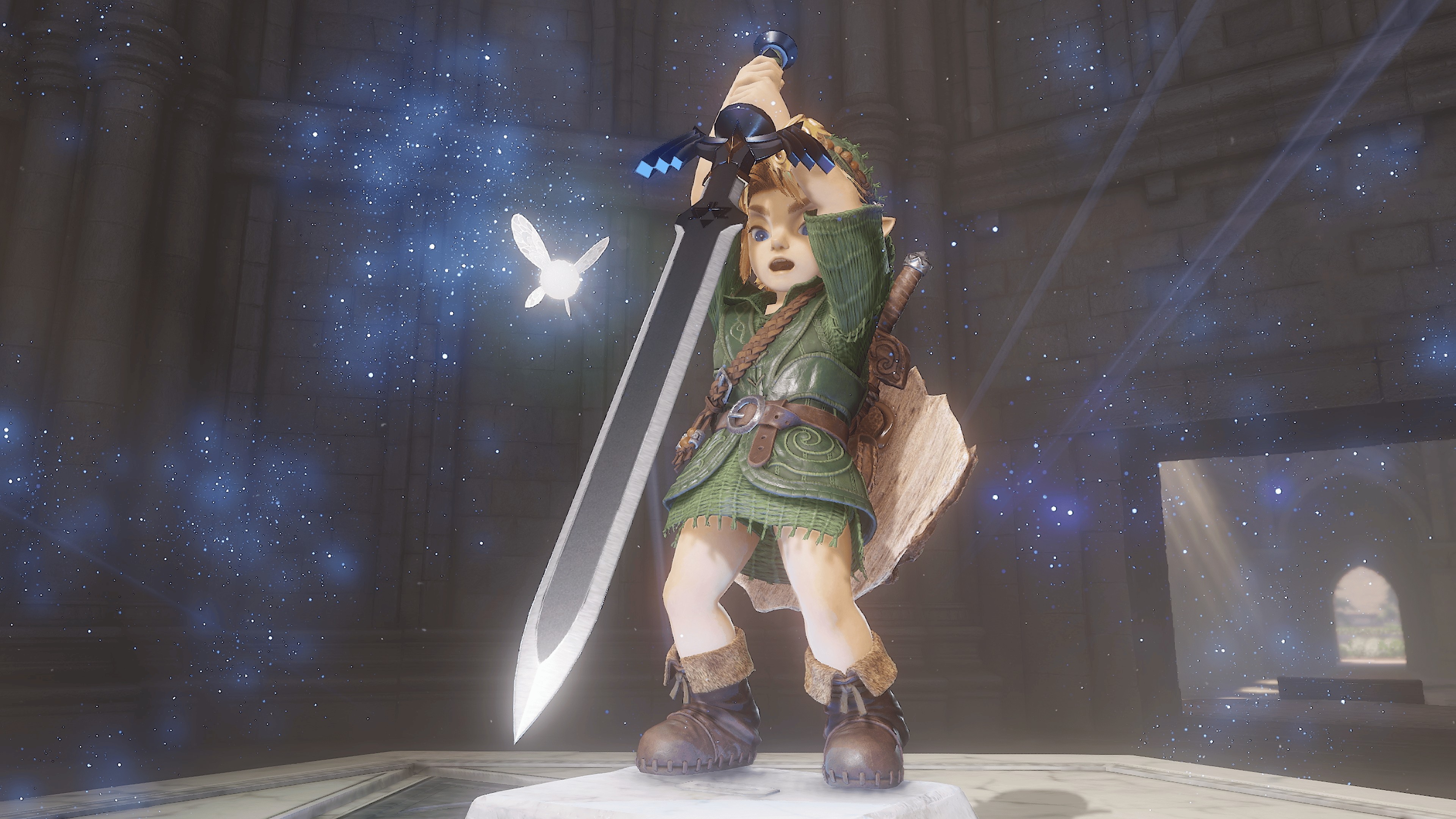
Content Shortfalls and Remake Issues A primary concern is the lack of compelling software to drive hardware sales. The recent Ocarina of Time remake failed to capture the expected excitement, with fans criticizing its artistic direction and lack of features. This lack of high-quality, exclusive content is leaving a void that is preventing Nintendo from hitting its hardware sales targets.
Supply Chain and AI Market Shifts Nintendo is also facing external pressure from its supply chain. Macronix, a critical ROM chip manufacturer, has pivoted its capacity toward high-demand NOR and NAND flash chips used in AI data centers. This strategic move by the supplier creates an additional bottleneck for Nintendo's hardware production schedule.
Business Implications For investors and global developers, these results highlight the necessity of strong software ecosystems in sustaining hardware growth. As Nintendo navigates these challenges, the pressure to integrate new IP or potentially open the platform to alternative titles is mounting as the company strives to keep its user base engaged.
Source: Latest from Tom's Hardware