The newest ESP32 can run Linux and it's getting close to a Raspberry Pi
The latest iteration of popular microcontrollers is now capable of running Linux, bridging the gap with single-board computers like Raspberry Pi.
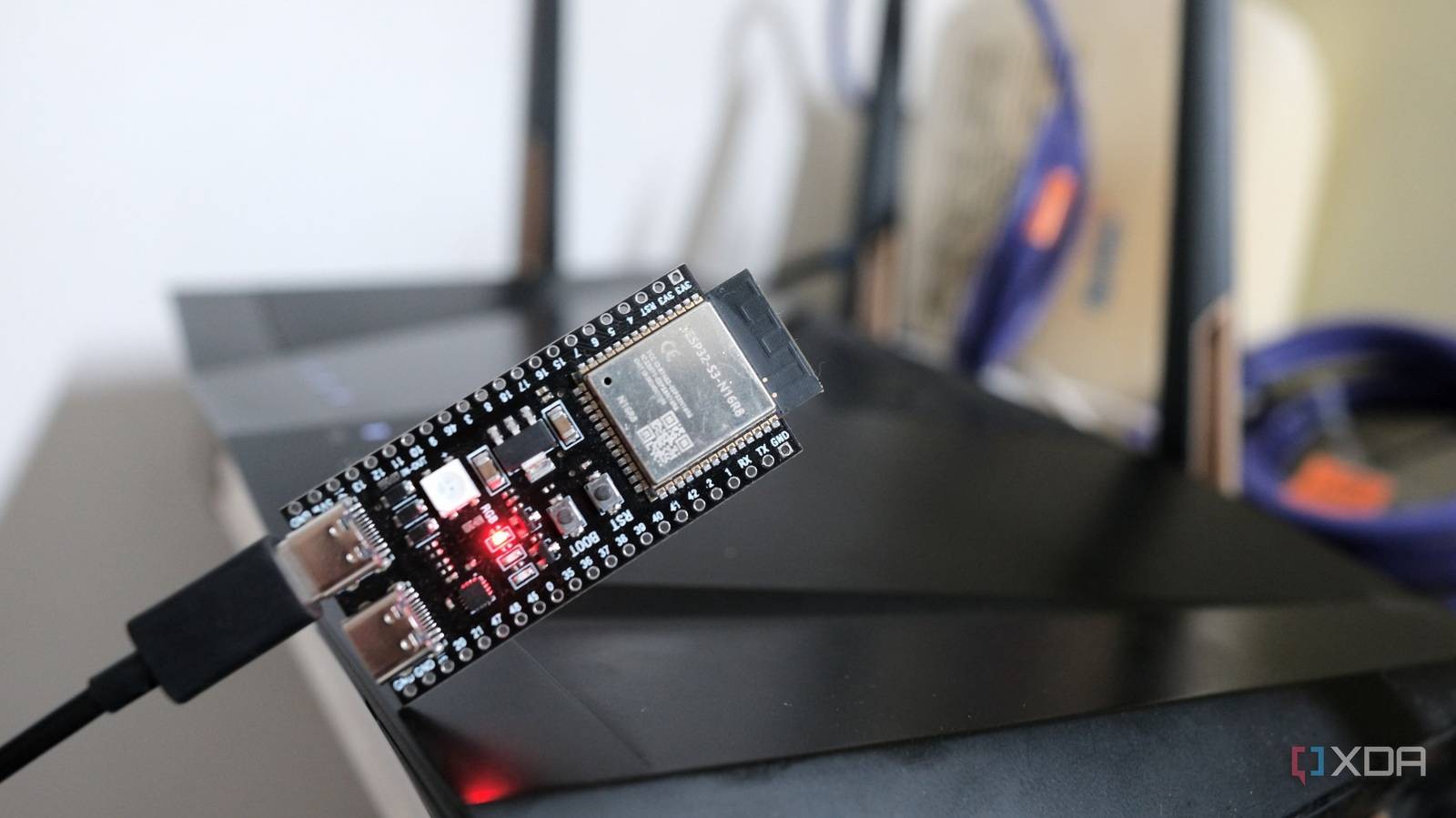
In a notable development for embedded systems, the newest generation of ESP32 microcontrollers has demonstrated the ability to run the Linux operating system. This milestone significantly blurs the traditional line between low-power microcontrollers and full-fledged mini-computers.
This capability transforms how developers can approach edge computing and hardware projects. Instead of being restricted to lightweight bare-metal firmware, engineers can now deploy more complex applications within a standard Linux environment on a tiny, low-cost chip.
While it may not entirely replace a standard Raspberry Pi for heavy computing tasks, its proximity in terms of capability makes it an incredible alternative. The combination of very low power consumption and budget-friendly pricing shifts the economics of hardware development.
For tech enthusiasts, IoT developers, and engineers, this opens up new possibilities for designing smart devices and automation systems. Running Linux on such affordable hardware allows for more creative, connected, and scalable engineering solutions.
Discussions within the developer community highlight both the excitement and the technical challenges ahead. As software support matures, this advancement promises to reshape how low-cost embedded Linux projects are built in the future.