OpenAI to cover electricity costs for its data centers
OpenAI introduces the National Community Compact, promising to pay for data center power and infrastructure to protect local consumers.
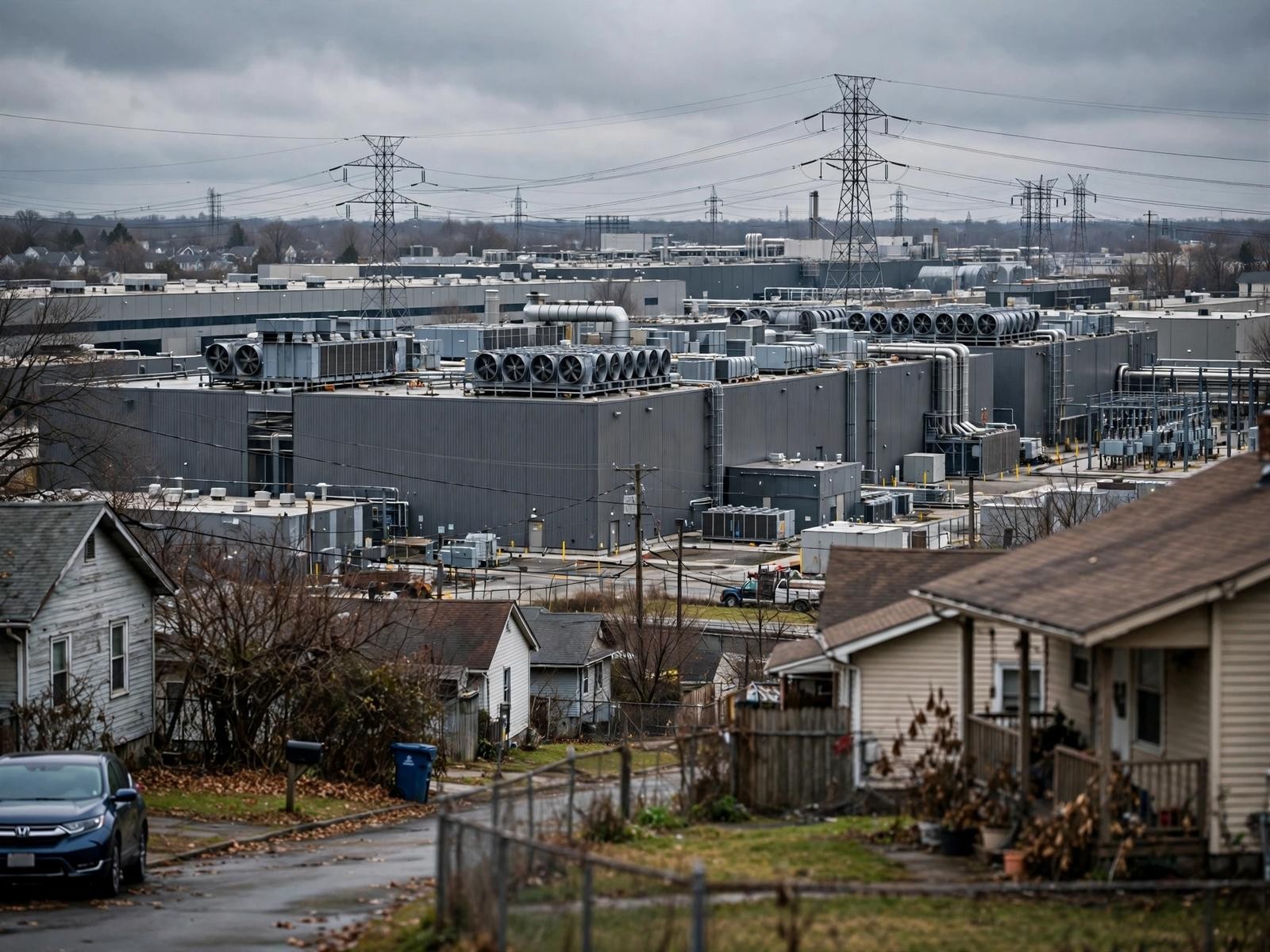
OpenAI has announced the National Community Compact, a new set of commitments dedicated to residents living near the company's data centers. The initiative aims to address rising public discontent and ensure that local utility consumers do not bear the financial burden of massive tech expansion.
- OpenAI promises to fully pay for electricity and associated data center infrastructure.
- Financial guarantees will be provided in case of project delays, downsizing, or cancellations.
- The company commits to transparency, public water and power disclosures, and noise studies.
- Total computational infrastructure spending could reach around $600 billion by 2030.
Addressing Community Concerns and Discontent
The new commitments come amid growing pushback against large data center developments across local communities. Data from Ballotpedia and CNBC elections analysis showed overwhelming local support for restrictions on data center projects in almost all reviewed cases. To counteract this, OpenAI plans to consult residents early and eliminate strict non-disclosure agreements with public officials.
Real-World Implementation in Georgia
Read alsoOpenAI steps back from NDAs for data center projectsAs an early practical example, OpenAI has already struck a deal with Georgia Power regarding a planned facility in Effingham County. The agreement allows power supplies to the data center to be reduced by up to 1,000 MW during periods of peak demand, protecting local households and commercial entities from grid strain.
Industry Policy Blueprint and Financial Scope
Alongside these community pledges, OpenAI introduced its Compute Campus Policy Blueprint, urging local and federal authorities to codify similar standards across the industry. While these measures are currently voluntary, TechStartups reports that the company anticipates allocating nearly $600 billion toward computational infrastructure by the end of the decade.
Source: iXBT.com