SpaceX aims to build 10 GW data center capacity by 2027
Analysts suggest that SpaceX's plan to build more compute capacity than Google's lifetime total in just 1.5 years is ambitious but potentially feasible.
·2 min read
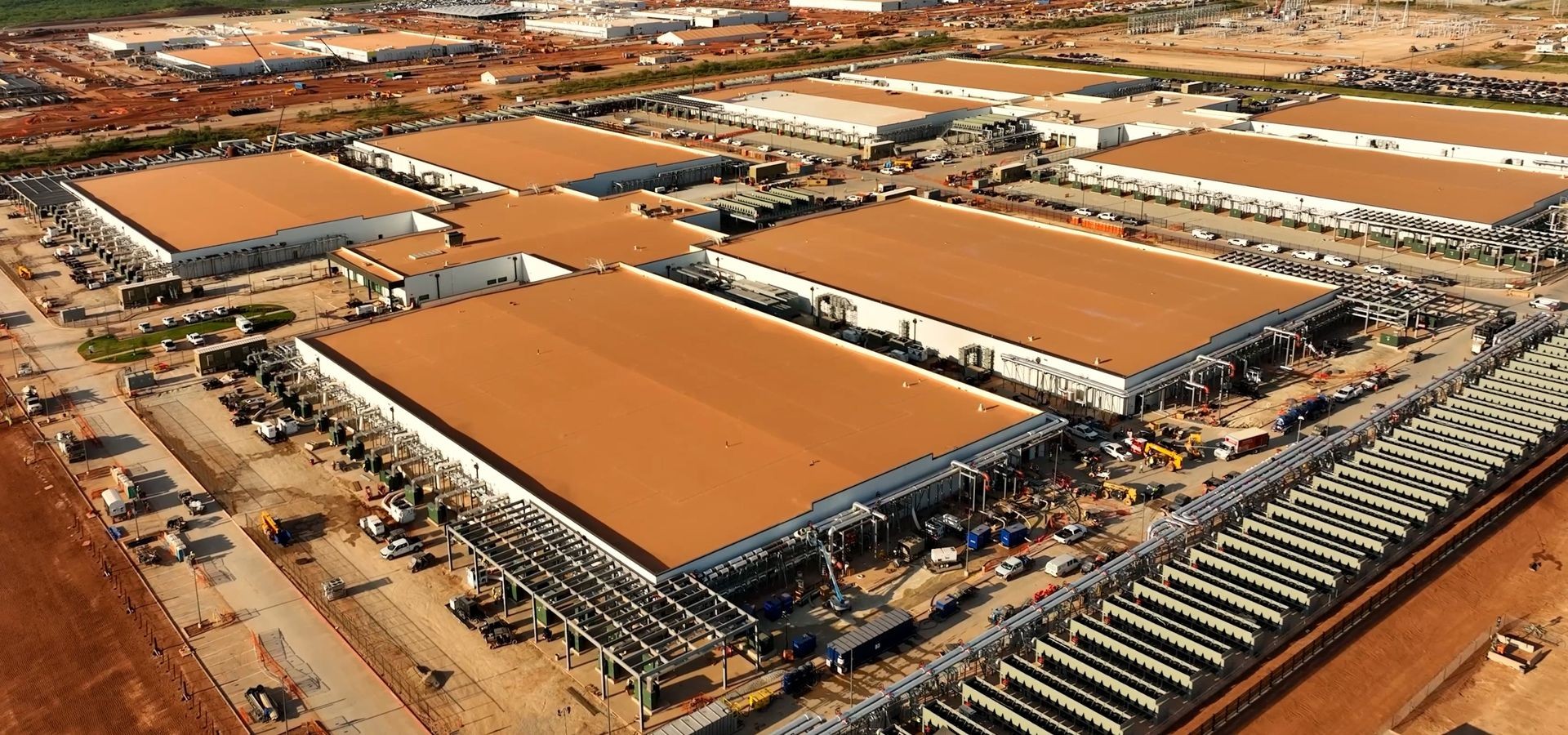
Elon Musk has claimed that SpaceX is "highly confident" in its ability to build 10 GW of data center capacity during 2027. While the scale of this project initially sparked skepticism, analysts at Semiaccurate suggest the pace of current buildouts, specifically the Colossus projects, indicates that the company is moving at a speed unmatched by any other hyperscaler.
- Adding 10 GW of capacity would make SpaceX the fastest-growing data center operator in history.
- The strategy relies heavily on Tesla’s internal manufacturing for power generation and storage modules.
- Colossus 2 power capacity has surged from 0.4 GW in January to an expected 2.4 GW by year-end.
- SpaceX effectively bypasses long supply chain lead times by producing infrastructure components in-house.
The Mechanics of Unmatched Speed SpaceX's construction strategy is unconventional: they begin site development long before final power integration strategies are solidified. By utilizing Tesla’s modular mechanical and electrical equipment, SpaceX can install power units directly from trucks. This agility allows them to skirt traditional supply chain delays and regulatory bottlenecks, such as using truck-mounted mobile turbines to bypass grid limitations while permanent infrastructure is being finalized.
Infrastructure vs. Hardware Availability In the current AI landscape, hardware like GPUs is often easier to acquire than the infrastructure required to power it. Companies like Microsoft have reported significant inventories of accelerators stuck in warehouses awaiting suitable data center racks. By prioritizing power generation and internal infrastructure production, SpaceX is positioning itself to avoid these common pitfalls, ensuring that once the compute hardware arrives, the environment is already prepared to host it.
Implications for the AI Industry For the hyperscaler market, this represents a fundamental shift in how compute facilities are deployed. If SpaceX proves that 10 GW of capacity can be brought online in such a short window, it will set a new industry benchmark. For the tech sector, this demonstrates that vertical integration—producing your own power systems and infrastructure—might be the only way to satisfy the explosive demand for AI compute, potentially changing the competitive landscape for all major cloud players.
Source: Latest from Tom's Hardware