US allowed Nvidia to sell H200 AI chips to shell companies in China
Investigations reveal the US approved Nvidia chip sales to empty Chinese offices. New Matrix and other firms raise serious national security concerns.
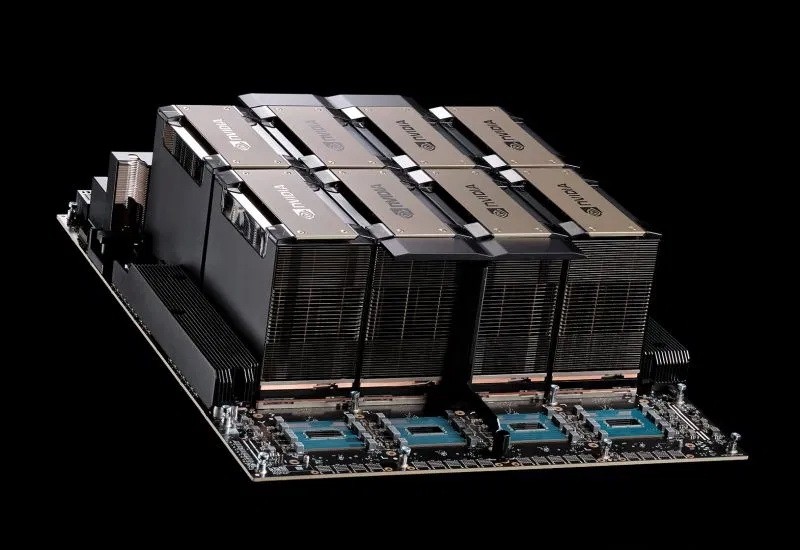
The US government has been approving sales of Nvidia's AI chips to Chinese firms with direct ties to blacklisted companies. According to The New York Times, neither the Commerce Department nor Nvidia conducted proper due diligence when vetting firms cleared to handle H200 chips.
- US authorities approved Nvidia H200 chip sales to Chinese firms lacking proper background verification and tied to sanctioned entities.
- Approved firm New Matrix has empty offices with dangling wires and no record in building directories or management databases.
- The owners of New Matrix maintain connections to a Chinese private equity firm blacklisted by the US since 2024.
- Export restrictions were relaxed after Nvidia agreed to give the US government a 15-percent cut of all sales.
Flaws in vetting procedures for Chinese buyers
Investigations by The New York Times indicate that the approval of New Matrix is not an isolated incident but part of a troubling pattern. Created just 17 months ago, the company left scant digital footprints, and building management at its registered address confirmed no knowledge of the firm, pointing to significant oversight failures.
Background on export controls and lobbying
Read alsoNvidia CEO Jensen Huang called to Congress over Chinese espionage probeNvidia had previously been restricted from selling advanced chips to China during the Biden presidency. However, the Trump administration relaxed these limitations after Jensen Huang's intensive lobbying campaign and Nvidia's agreement to share 15 percent of its Chinese sales revenue with the government, despite counterintelligence concerns from security agencies.
Implications for national security and the tech market
Such regulatory loopholes undermine US trade restrictions designed to protect national security, potentially granting restricted entities access to high-performance AI infrastructure. For the global technology sector, these developments highlight ongoing friction between commercial interests and geopolitical safeguards.
Source: The Verge