US data centers could wipe out 15 years of carbon emission progress
A Sierra Club report estimates U.S. data center expansion will match Mexico's total carbon emissions by 2030, threatening climate goals.
Concerns regarding the environmental footprint of modern infrastructure have intensified as the Sierra Club released a stark warning. According to the organization, the rapid buildout of data centers across the United States threatens to erase 15 years of progress in reducing greenhouse gas emissions by the end of the decade.
- The Sierra Club estimates that U.S. data center buildouts will emit as much CO2 as the entirety of Mexico by 2030.
- Power sector output could dump 2.1 billion metric tons of CO2 into the atmosphere by 2030, a 42% spike from 2025.
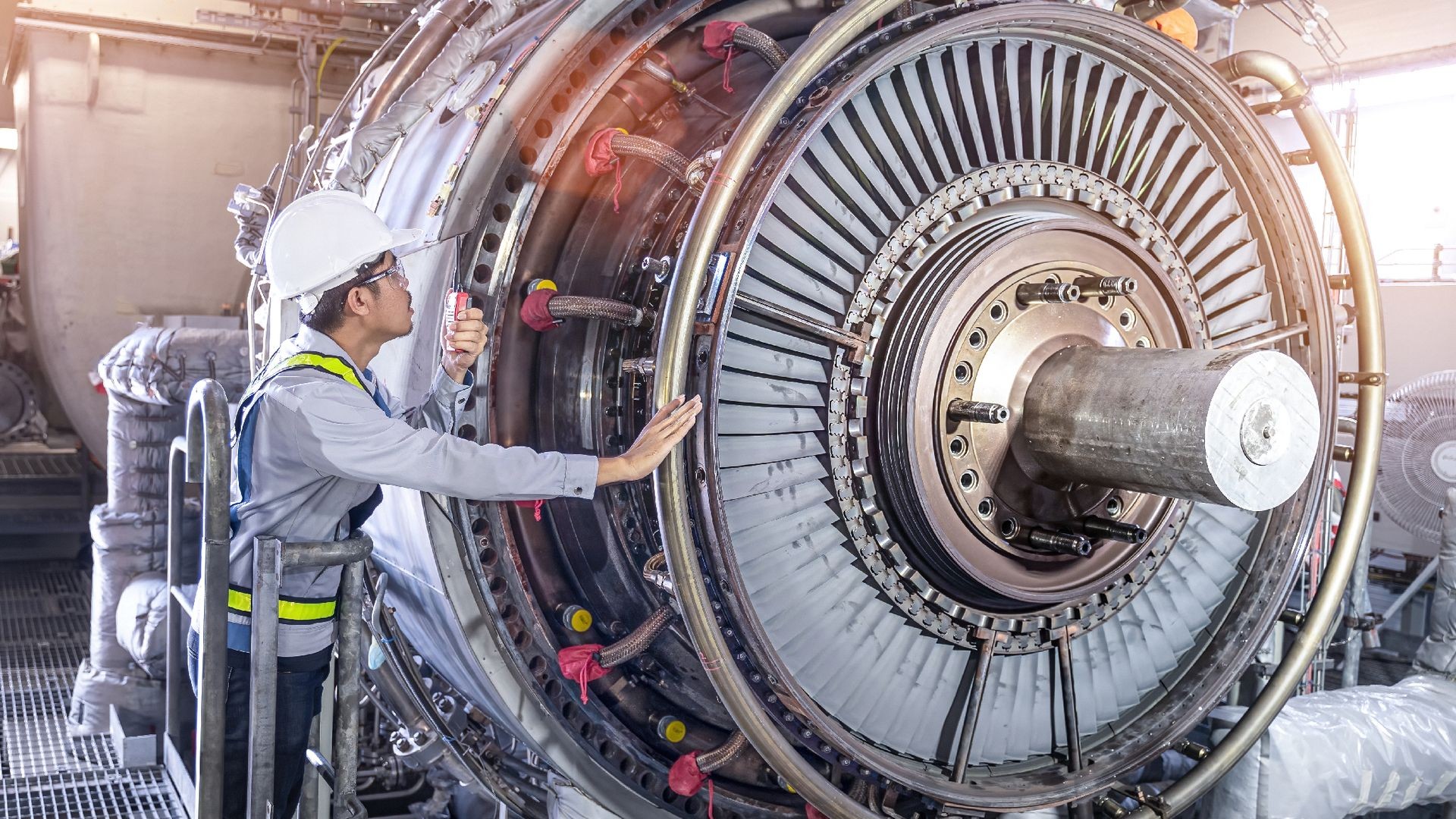
- Approximately 40% of U.S. data centers currently rely on natural gas turbines, which face severe supply shortages and surging prices.
The Energy Crisis and Equipment Backlogs
Jeremy Fusher, the club's principal advisor for climate and energy, noted that the projected numbers are staggering. The expected output from pending data center construction will push the U.S. power sector toward unprecedented emission levels, vastly exceeding previous estimates. Driven by the explosive demand for AI workloads, the sheer speed of construction has taken precedence over sustainability considerations.
However, renewable energy deployment cannot keep pace with the hyper-scale demand. Roughly 40% of data centers depend on natural gas turbines, and supply chain constraints have worsened the outlook. Prices for turbines have jumped by 50%, with manufacturing backlogs extending production slots well into the next decade, leaving tech companies scrambling for reliable power generation alternatives.
Read alsoData centers could erase decades of air quality gainsRegulatory Hurdles and Real-World Delays
While several regions have enacted laws requiring new data center builds to incorporate significant green power, these regulations rarely apply retroactively and often feature lengthy phase-in periods. For instance, Irish legislation mandating an 80% renewable energy share only enforces the rule six years after facilities become operational, limiting immediate environmental relief.
On the other hand, Brendan Pierpont from Energy Innovation suggests that predicting the exact trajectory remains difficult due to numerous bottlenecks. Grid connection delays, equipment shortages, and strong local opposition are already stalling various projects. Additionally, ongoing questions surrounding the economic viability of hyperscalers and the sustainability of the AI boom could temper future buildout rates.
What This Means for Tech Business and Industry
The looming environmental conflict between artificial intelligence expansion and climate targets poses significant questions for the tech industry. As hyperscalers race to build out infrastructure, balancing energy demands with carbon reduction commitments will require substantial innovation. For businesses, developers, and global stakeholders, navigating tighter ecological regulations and grid limitations will become a critical operational challenge in the coming years.
Source: Latest from Tom's Hardware