Can AI help solve the COBOL code crisis?
From banks to government infrastructure, critical systems run on antique COBOL code nobody dares to touch. OpenAI believes AI might offer a solution.
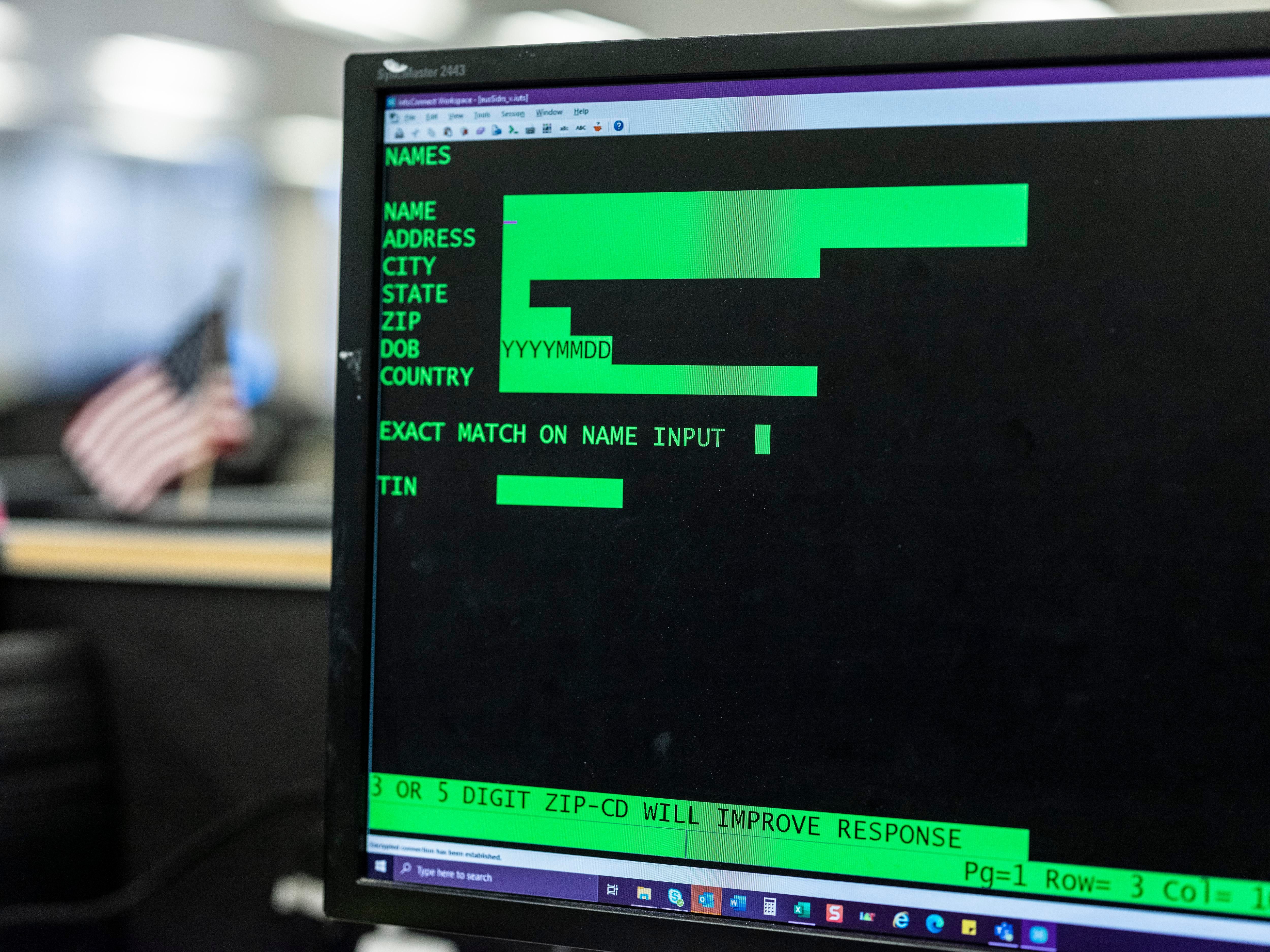
What do the IRS, banks, airlines, and government infrastructure around the world have in common? They are all running on systems propped up by antique computer code that nobody dares to touch, lest everything come crashing down.
OpenAI thinks it may have a solution to this persistent technological challenge. On October 19th, the company touted substantial improvements in its latest AI models, pointing toward new capabilities in handling complex legacy tasks.
COBOL remains the invisible backbone of the global financial and administrative sectors, built decades ago and maintained by a shrinking pool of aging experts. Modernizing these systems manually is risky, painfully slow, and extremely costly.
Leveraging advanced artificial intelligence to read, understand, and potentially refactor ancient codebases could fundamentally shift how industries manage technical debt. AI models capable of parsing legacy logic safely can prevent catastrophic system failures.
As financial and governmental institutions globally look for ways to safely transition away from outdated infrastructure, the integration of AI tools into legacy code maintenance marks a crucial step forward for enterprise software engineering.