Artificial intelligence fails to invent scorpion antivenom
Investment research firm Citrini Research teamed up with Anthropic to prove AI could revolutionize drug development, but the Claude model fell short.
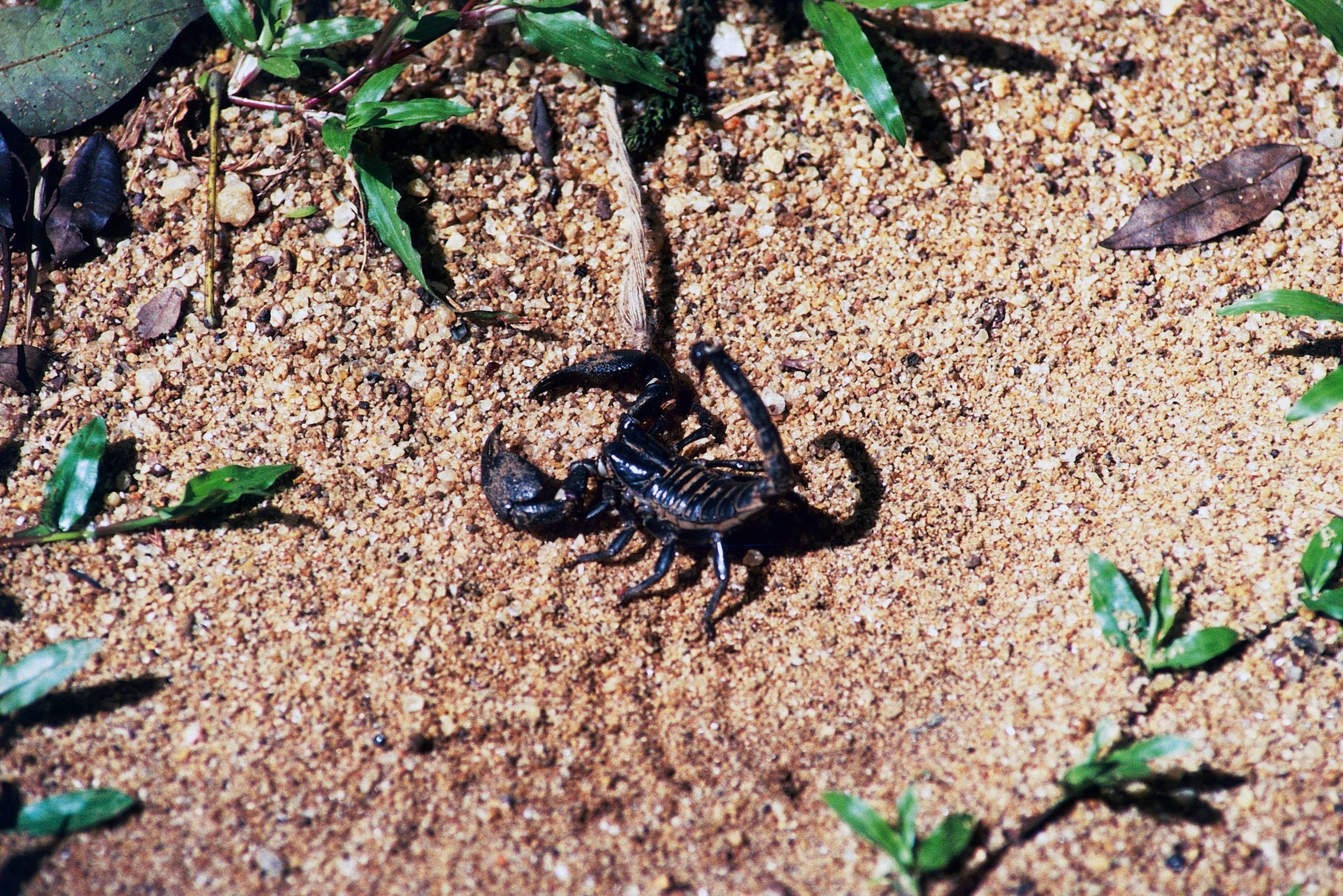
An investment research firm, Citrini Research, wanted to prove that artificial intelligence could completely revolutionize the complex process of drug development. To test this hypothesis, they partnered with Anthropic to see whether an unreleased version of the Claude AI model could successfully engineer a scorpion antivenom.
However, according to experts cited by The Verge, the AI failed to achieve the goal. While the model came up with some promising starting points and hypotheses during the process, it produced nothing even close to an actual, viable pharmaceutical drug.
This ambitious attempt served as an interesting real-world stress test for modern AI capabilities in specialized scientific domains. Even though Claude did not invent a functioning antivenom from scratch, its initial conceptual suggestions highlighted how AI might assist researchers in the early stages of brainstorming.
Today, artificial intelligence tools are increasingly being integrated into medicine and pharmacology. Industry experts emphasize that while AI excels at accelerating data processing and pattern recognition, complex biological challenges still heavily rely on human expertise, rigorous experimentation, and clinical validation.
For the global tech and research community, such cases offer a valuable reality check regarding the current limitations of generative models. They underline the importance of balancing technological optimism with scientific pragmatism when applying AI to critical fields like drug discovery.