
The growing friction surrounding AI data center construction
Inside two years of intense debates and growing friction over AI data center projects in Pennsylvania.
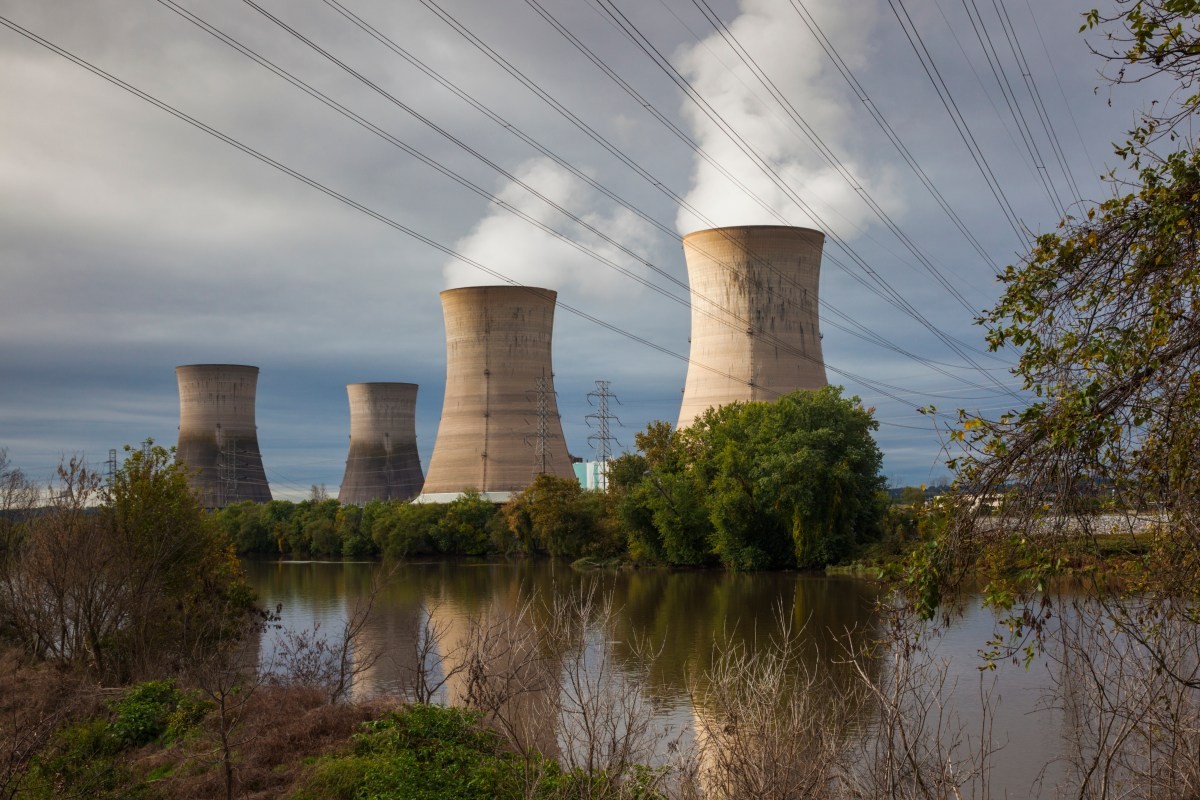
The rapid advancement of artificial intelligence has triggered an unprecedented demand for robust physical infrastructure. Building massive data centers to support heavy AI workloads has become a flashpoint for environmental and community concerns worldwide. Over the past two years, Pennsylvania has found itself at the center of these fraught public debates.
According to TechCrunch, proposed AI data center projects in the state have sparked intense opposition and lengthy discussions among residents, local officials, and environmental advocates. Every stakeholder group seems to have valid reasons for skepticism, highlighting the growing friction between rapid technological expansion and local quality of life.
The primary concerns usually revolve around the immense electricity consumption and potential environmental impact of these facilities. Because AI data centers require vast amounts of power and cooling resources, they can strain local power grids and potentially drive up utility costs for everyday consumers. Consequently, finding a reason to dislike such massive construction projects has become quite easy for local communities.
These developments carry important lessons for global technology markets, including emerging tech hubs in regions like Central Asia and the CIS. As nations accelerate their digital transformation and data processing capabilities, balancing infrastructural growth with ecological sustainability and energy security remains a critical challenge.
Ultimately, the ongoing debates illustrate that expanding the AI ecosystem is as much a social challenge as it is an engineering feat. The situation in Pennsylvania serves as a reminder that future technological projects must prioritize transparent communication and community engagement from the very beginning.