5 ESP32 projects that can run on batteries for a whole year
Discover how to optimize ESP32 power consumption to build long-lasting IoT projects that run on a single battery for up to a year.
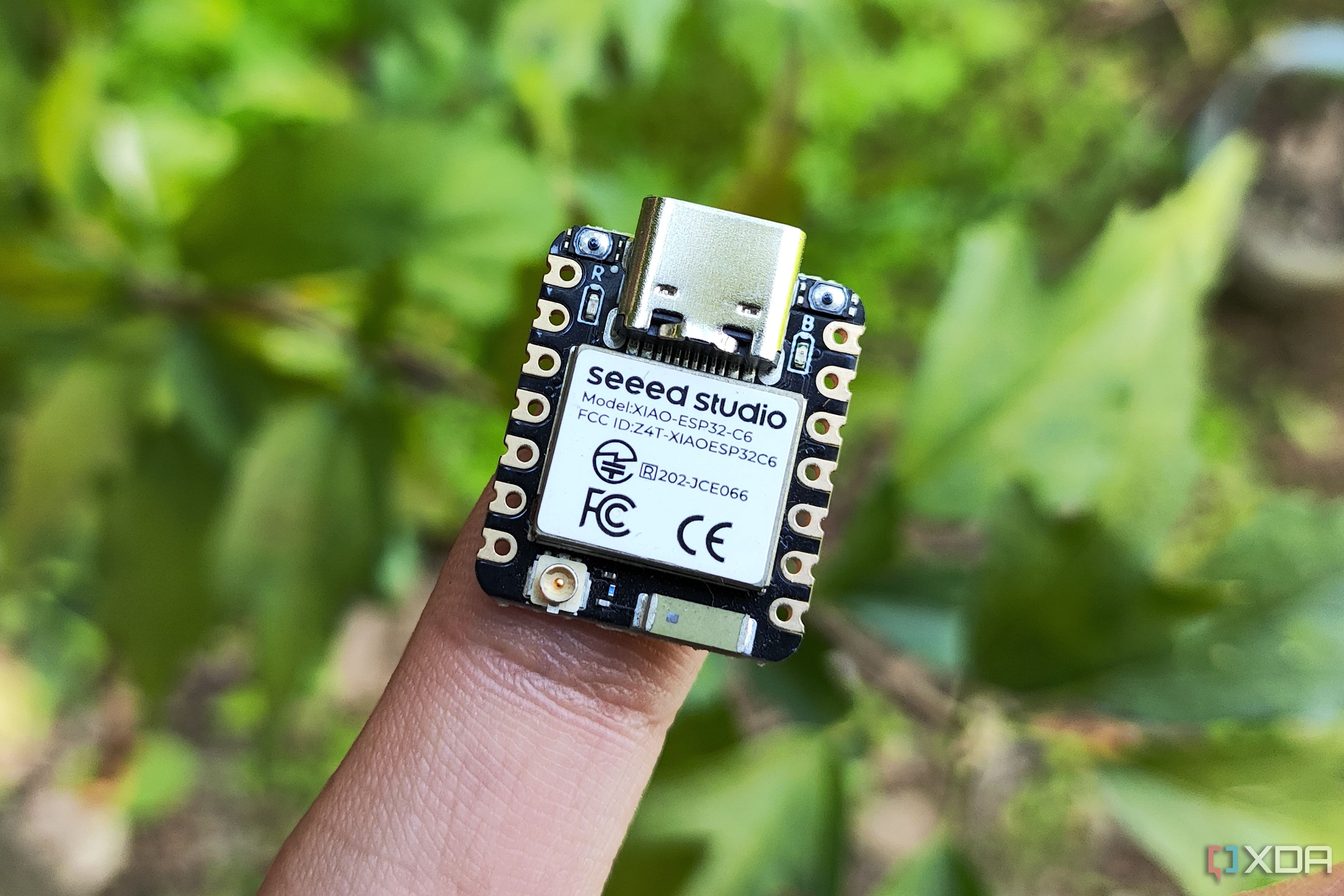
Many ESP32 projects are tethered to wall outlets, but with the right configuration, you can break free. By choosing efficient boards and leveraging deep sleep, you can build sensors and smart home devices that operate for an entire year on a single 18650 battery.
- Utilizing low-power chips like ESP32-C3 for deep sleep efficiency.
- Implementing ESP-NOW or LoRa protocols to minimize active radio time.
- Using RTC GPIO wake-up interrupts for event-based logic.
- Leveraging e-paper displays that only consume power during refresh.
Hardware optimization for longevity
The key to year-long battery life starts with the hardware. Many development boards consume excessive power via power LEDs and onboard USB-to-serial chips. Switching to an ESP32-C3 minimizes current draw during sleep to just a few dozen microamps. Pairing this with effective wake-up triggers like magnetic reed switches ensures the device remains dormant until an event, such as a door opening, actually occurs.
Sensor batching and power management
Read alsoHacking the NordicTrack Commercial 2250 with Claude Code AIFor temperature or soil moisture monitoring, continuous transmission is the enemy of battery life. Instead, sample sensors periodically, store data in memory, and batch transmit over UDP every few minutes. In garden applications, using a MOSFET to cut power to sensors entirely when not in use can significantly extend the life of your 18650 Li-ion batteries to nearly a year.
Advanced protocols and display tech
E-paper displays are perfect for static information like weather stations, as they retain images without power. For high-responsiveness needs like smart doorbells, ESP-NOW is superior to standard Wi-Fi. It allows the board to wake up, send a signal, and return to deep sleep in under 100ms, ensuring that the device spends over 99% of its day in a near-zero power state.
Why this matters for the ecosystem
Understanding power-efficient design is crucial for scalable IoT deployments. For developers and hardware engineers, these techniques reduce the need for constant maintenance and allow for installations in locations without infrastructure access, making smart home and monitoring solutions significantly more versatile.
Source: XDA