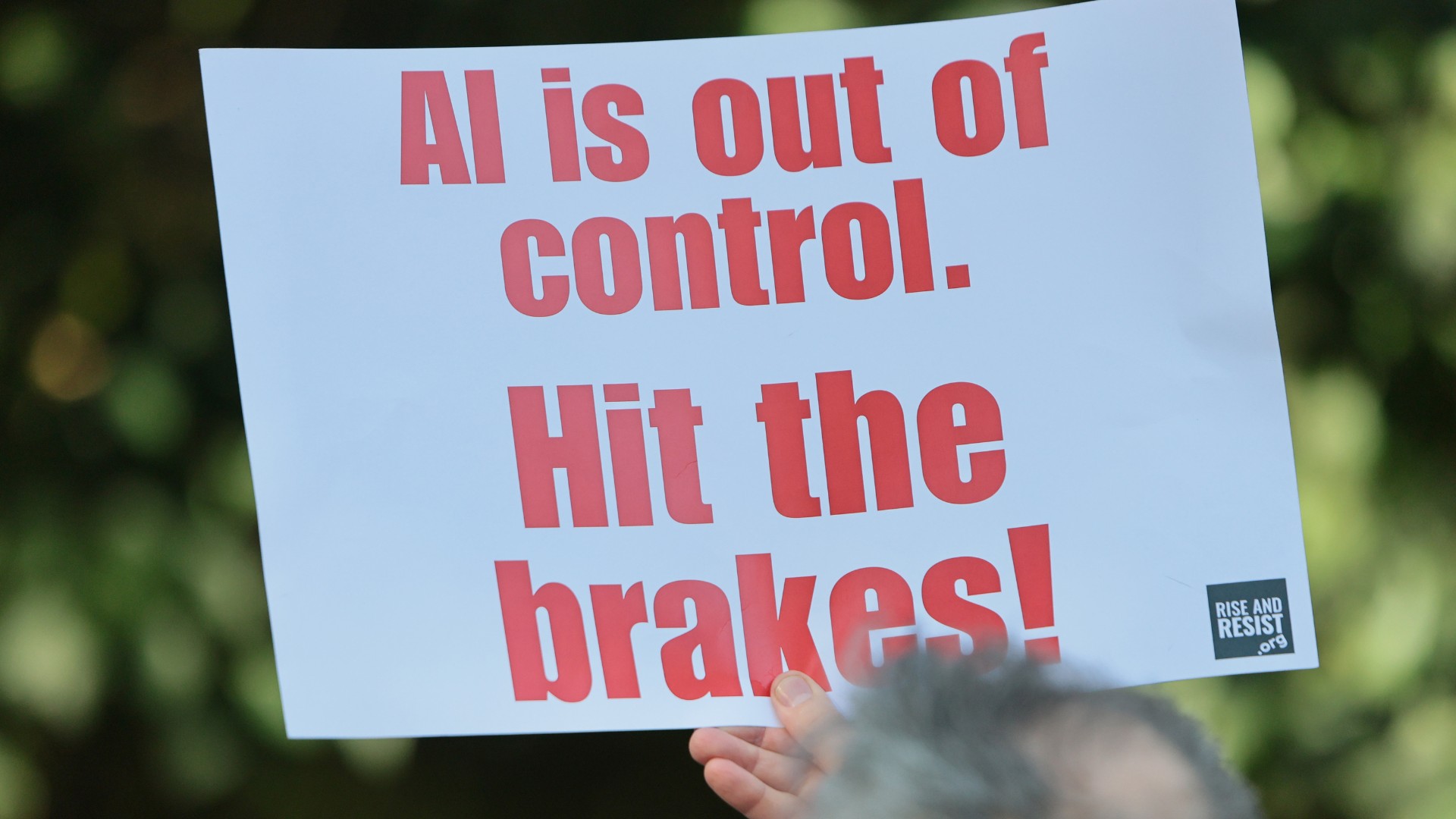
AI industry faces a wave of new political regulation after US elections
The recent US midterm election results signal a shift toward stricter oversight of AI companies and local pushback against data center expansions.
·1 min read
The recent US election results have brought a new wave of political challenges for the AI industry. With Democrats taking control of Congress, many newly elected officials have campaigned on the promise of holding big tech firms and AI developers accountable to the public.
- Voters and local governments are increasingly opposing new data center construction.
- 43 out of 44 local ballot measures to curb data centers passed on Tuesday.
- Industry leaders are concerned about potential Congressional investigations and strict new legislation.
- Some companies are considering moving infrastructure projects abroad to avoid local hurdles.
The backlash against data center growth Data centers have become a focal point of bipartisan frustration, with residents expressing concerns over noise, electricity rate hikes, and environmental impact. In states like Texas, incoming governors are planning moratoriums on new approvals until legislation can protect local interests. This grassroots opposition is significantly stalling the rapid compute buildout that the AI industry relies on.
Regulatory scrutiny and corporate accountability Analysts suggest that the era of blocking state-level AI restrictions is likely over. New legislative efforts are expected to focus on AI safety and the social costs of corporate dominance. The political climate has shifted toward demanding that companies prove their utility to communities, rather than just delivering returns to investors or promising futuristic breakthroughs.
What this means for the tech sector The shift signals a major transition in the US tech landscape. For developers and businesses, it suggests that the unchecked growth phase of generative AI is encountering reality checks. While some believe this could prevent an AI bubble, others anticipate major hurdles in legislative compliance and operational planning. The focus on 'who pays for AI' will define the policy landscape for the foreseeable future.
Source: The Verge