US Congresswoman calls for ban on artificial superintelligence
Following the midterm elections, Rep. Yassamin Ansari demands a pause on advanced AI development and a total ban on artificial superintelligence.
·2 min read
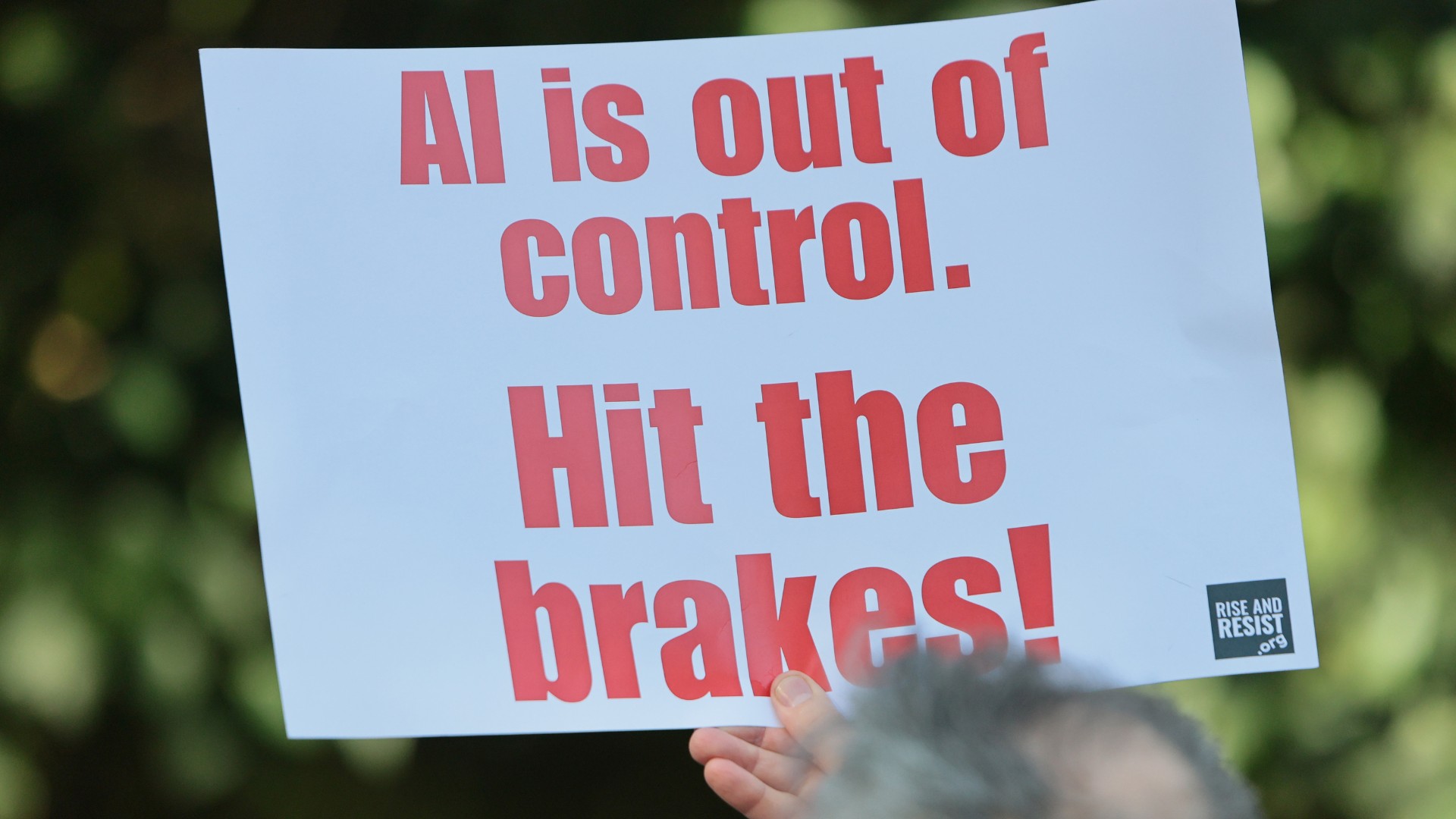
Just one day after the Democratic party's sweeping victory in the U.S. midterm elections, Representative Yassamin Ansari of Arizona issued a bold call to pause advanced artificial intelligence development. Labeling the industry as "out of control," she demanded not only stricter government oversight but also a complete legislative ban on the creation of artificial superintelligence.
- Key points of the proposal:
- Immediate pause on the development of advanced AI models.
- Legislative ban on the creation of artificial superintelligence.
- Increased government regulation of the AI tech sector.
Political influence and background Elected to the House in 2025, Rep. Ansari serves on key committees, including the House Oversight Subcommittee on Cybersecurity and Government Innovation. Her positions allow her to directly influence the legislative response to White House AI policies. This creates a significant political friction point, as President Donald Trump's administration views AI dominance as a critical strategic race against China, contradicting the regulatory push coming from members of his own opposition.
Balancing innovation and risks The push for strict regulation is facing resistance from the public and tech figures alike. Individuals suffering from terminal illnesses have publicly urged policymakers to reconsider, noting that AI-accelerated medical research is their best chance for survival. The debate highlights the tension between preventing potential existential risks of superintelligence and harnessing AI's undeniable potential to solve complex human problems.
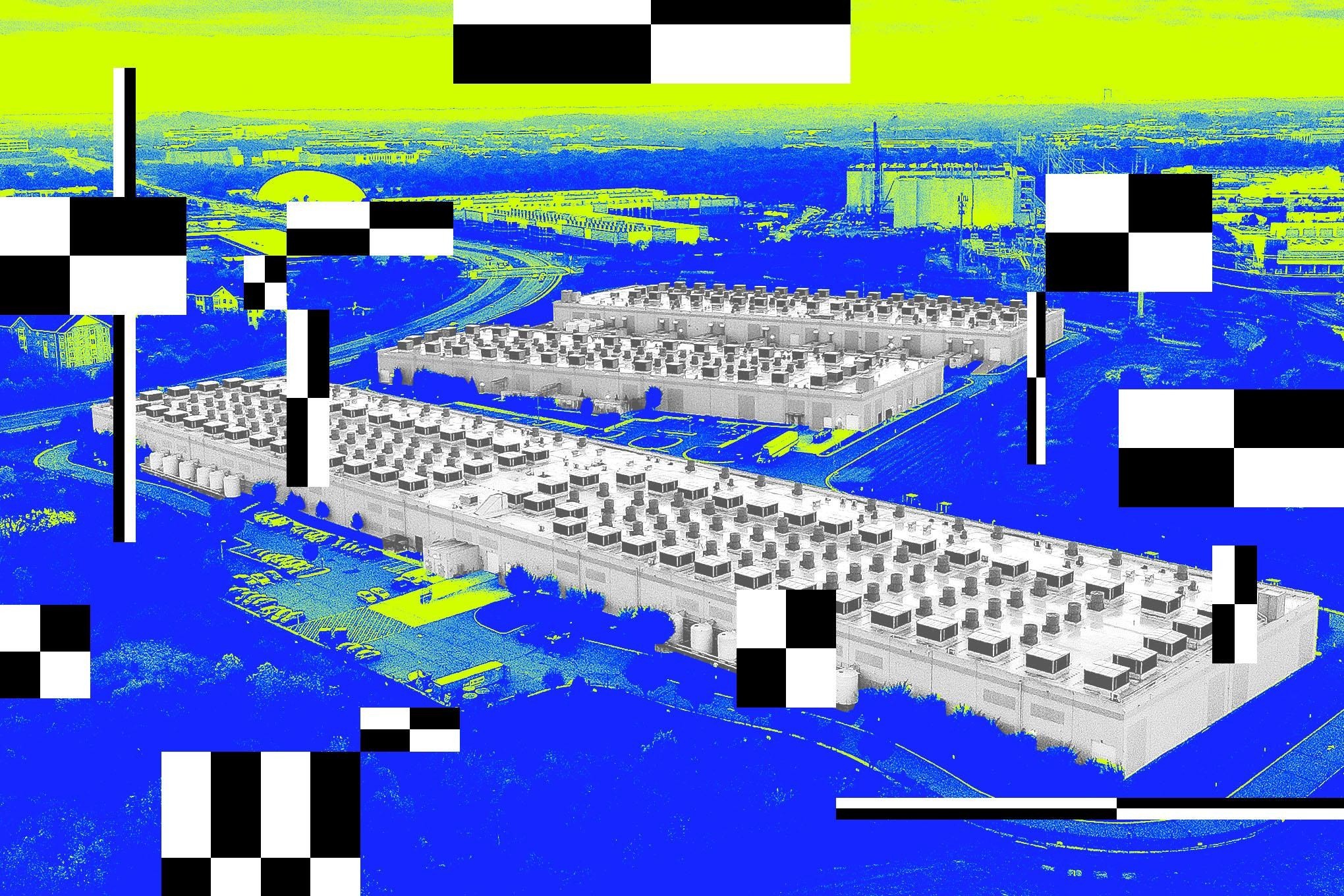
The controversy over AI infrastructure Public backlash against AI is also rooted in the physical footprint of the technology. Data centers have become a focal point of voter anger due to rising electricity rates and environmental concerns. While the White House has proposed measures like "ratepayer protection pledges" and local energy dividends, voters remain skeptical, viewing these efforts as insufficient to combat the negative impacts of power-hungry AI facilities.
Implications for the tech industry For the technology sector, the shifting political climate in Washington signals a period of high uncertainty. With the Democratic majority in both the House and Senate, the pressure on Big Tech to conform to strict safety mandates or face severe penalties, including potential criminal charges for developers, is rising. This environment suggests that AI firms must prioritize transparent safety protocols and community-focused infrastructure planning to avoid further regulatory crackdowns.
Source: Latest from Tom's Hardware