AI software clones challenge Adobe subscription model monopoly
Developers are using AI to reverse-engineer and clone Adobe Creative Cloud apps, sparking intense debates over piracy and software monopolies.
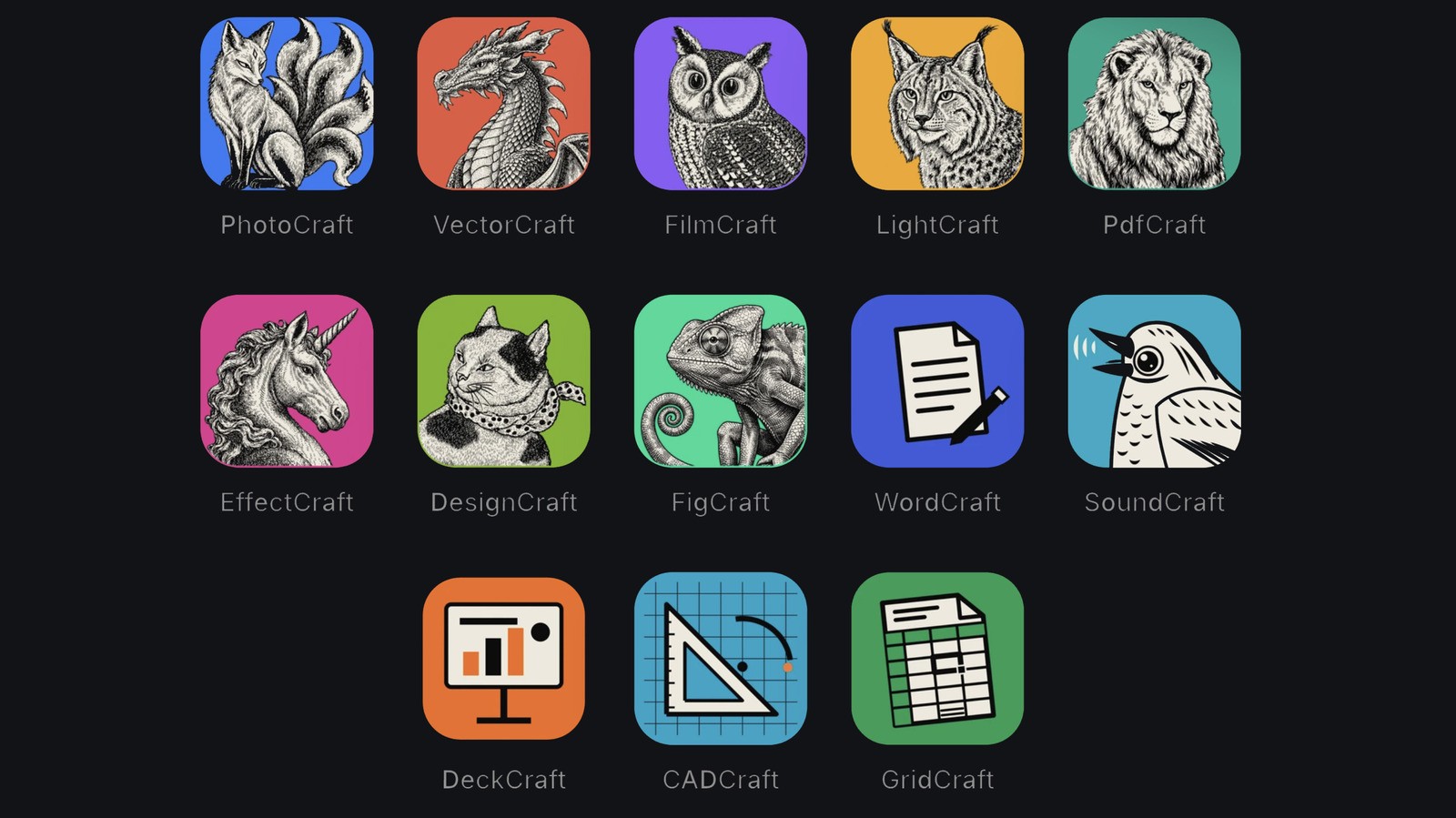
A wild new trend in software development has emerged as programmers use artificial intelligence to reverse-engineer popular paid applications. Motivated by frustration with expensive subscription models, developers recently used AI tools to recreate equivalents of Photoshop, Lightroom, and other major desktop apps, distributing them as free, open-source alternatives.
- AI models like Claude helped developers recreate Adobe app functionality from scratch;
- The Artcraft project offers free, open-source alternatives to Creative Cloud apps;
- Automated reverse-engineering tools like REA have gone viral among developers;
- Industry observers are divided on whether this is a blow to monopolies or blatant piracy.
The Rise of Artcraft and the Battle Against Subscriptions
Software developer Brandon Thomas and his team launched Artcraft in early October, pitching it as a direct replacement for Adobe Creative Cloud apps. Thomas decided to take action after being repeatedly hit by subscription cancellation fees. Using AI tools, his team built clean-room versions of the apps in Rust, claiming they offer better performance than the originals.
Despite high ambitions, the early software versions face significant issues. Users have reported critical bugs in Photocraft, such as random image deletion and layer-merging errors, alongside an inability to open native PSD files. These limitations currently hinder professional adoption by existing Adobe users.
Read alsoClaude in Pharma: Anthropic Reports Results on 35,000 AntibodiesAutomated Reverse Engineering and the REA Tool
This trend extends far beyond a single suite of apps. A viral tool named REA (Reverse Engineer Anything) has gained massive popularity on GitHub, allowing users to deconstruct software without access to source code, understand how features work, and rebuild them. The technique is spreading across consumer devices, smart appliances, and video games.
However, the programming community remains divided. Critics argue that AI-generated codebases can quickly become unmaintainable and infringe on intellectual property rights. Notably, the human-driven game decompilation website decomp.dev recently announced its closure, citing the overwhelming surge of AI-driven tools.
Legal Hurdles and Implications for Tech Giants
Legal risks remain a major roadblock for these projects. Adobe's terms of service strictly prohibit reverse engineering its software, and AI clones could potentially violate trademarks and patents. While the Artcraft team insists they did not copy original code, copyright challenges are almost inevitable.
Nevertheless, these tools have opened Pandora's box. A single skilled developer aided by AI can now achieve what once required an entire engineering team, potentially forcing giants like Adobe to rethink unpopular business models.