Android SMS of Death Vulnerability: Call Disruption and Patch Details
A newly discovered Android SMS of Death vulnerability can silently crash calling services and cause bootloops. Learn about the upcoming patch and security risks.
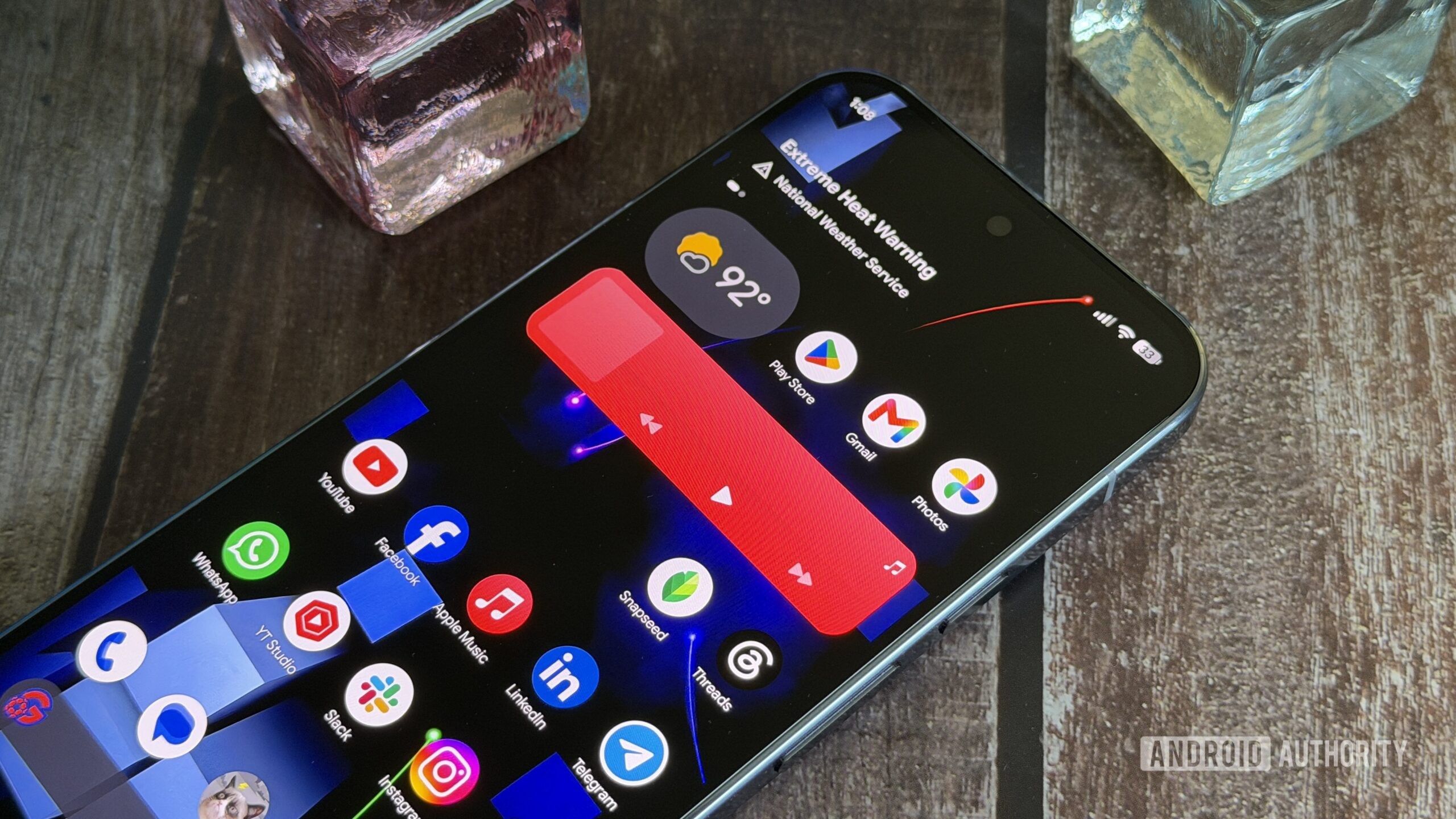
A newly disclosed Android vulnerability known as SMS of Death allows malicious text messages to silently crash a phone’s calling service and potentially disrupt emergency calls. Security researchers warn that repeated malicious messages can render affected devices practically unusable.
- The attack executes silently without showing any incoming message notification to the user.
- Sending around 20 malicious messages can trap the phone in a persistent reboot loop.
- The flaw affects Android versions starting from Android 12 and is tracked as CVE-2026-58882.
How the SMS of Death Attack Works
Unlike normal text messages, this specially crafted SMS is designed to exploit how Android handles message processing. It crashes the underlying system responsible for phone calls, immediately disconnecting active conversations. Because the message never appears in the inbox, victims receive no warning before their service drops.
If an attacker sends multiple repeating messages, the device can enter a severe bootloop. Standard recovery methods like a factory reset might fail if cellular carriers automatically resend the offending payloads. Recovering the device may require connecting it to a computer for manual deletion.
Read alsoGoogle Gemini brings new design and file generation to AndroidGoogle Response and Patch Timeline
The security researcher who discovered the flaw first alerted Google months before public disclosure. Although initial reports faced delays in acknowledgment, internal code records show Google developed a fix shortly after the discovery and distributed it through security previews.
Google included the underlying fix in recent security updates for supported Android versions, while third-party projects like GrapheneOS scheduled the patch for upcoming bulletins. However, the exact rollout timeline across various device manufacturers remains variable.
What This Means for Android Users
This critical vulnerability poses significant risks, particularly for older Android devices that no longer receive official security patches. Users are strongly advised to install the latest available security updates to protect their devices from potential exploitation.
Source: Android Authority