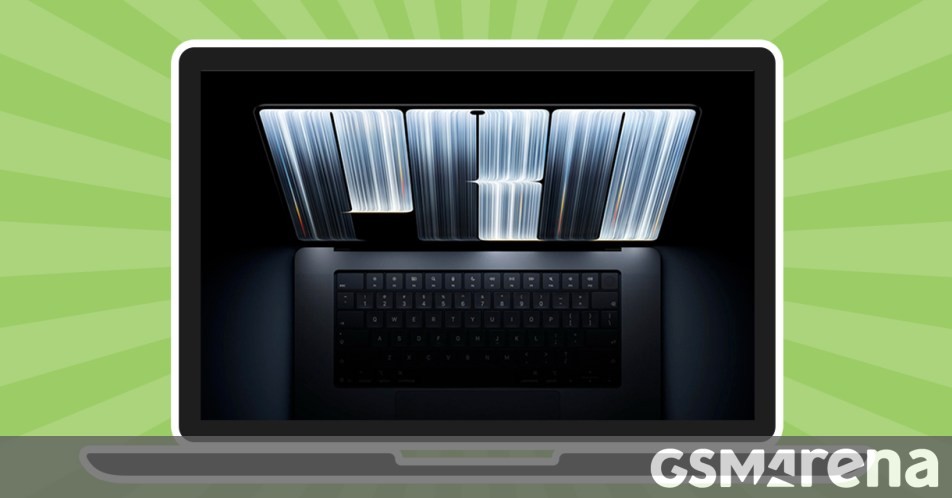
Apple introduces touchscreen MacBook Pro with PROLED XDR display
Apple finally launches a touchscreen MacBook Pro featuring a PROLED XDR display. Discover why the tech giant changed its mind after years of waiting.
·3 min read
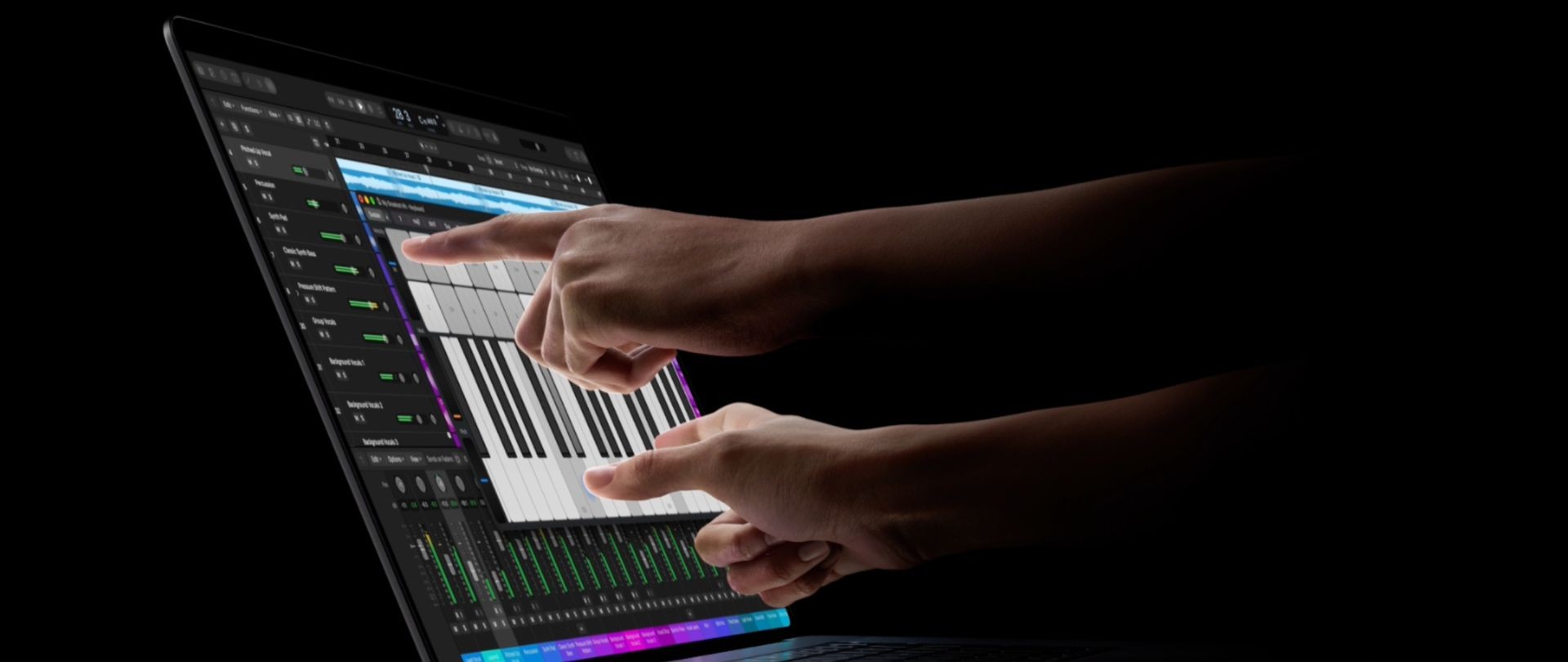
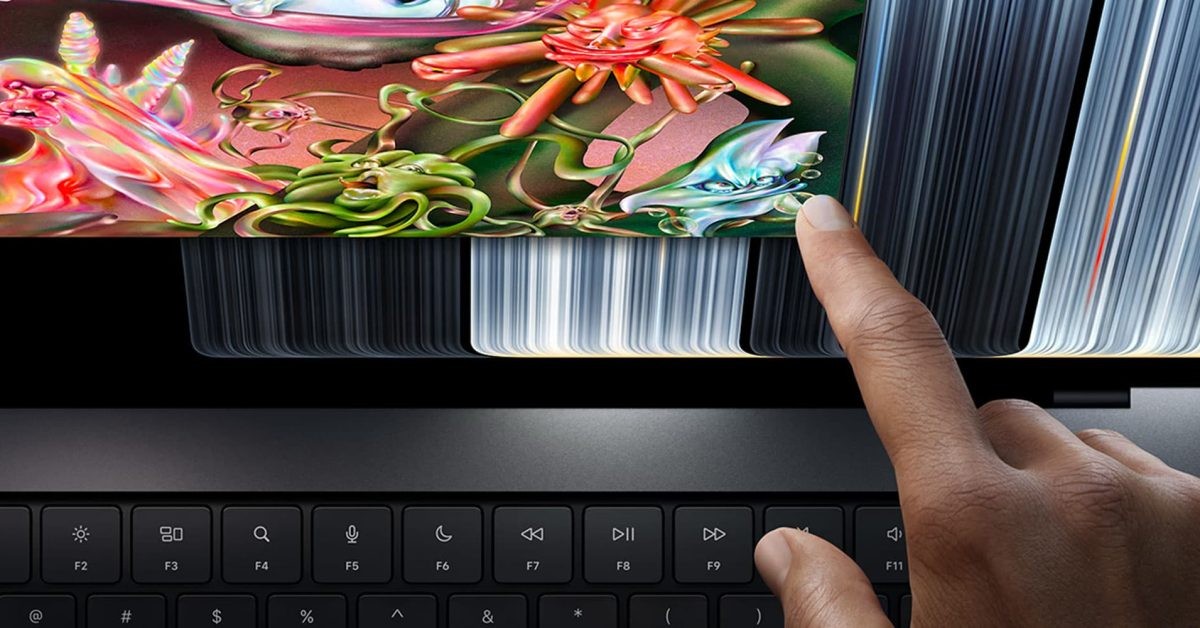
Apple has officially introduced a touchscreen laptop within the MacBook Pro lineup, featuring a brand new PROLED XDR display. This major hardware shift marks a significant milestone in the long timeline of mobile computing and Apple's product design philosophy.
- Apple brings touch technology and OLED to the MacBook Pro lineup for the first time
- New devices feature advanced PROLED XDR displays and a lighter chassis
- Pricing starts at $2,899 for the 14-inch model and $3,399 for the 16-inch model
- Supported apps at launch include Microsoft Office, Zoom, Adobe Lightroom, and Da Vinci Resolve
The Long Road to Touchscreen Macs For years, Apple firmly rejected touchscreen laptops. Back in 2010, former CEO Steve Jobs famously called them ergonomically terrible, explaining that vertical touch surfaces cause arm fatigue. While Windows PCs and Chromebooks widely adopted touchscreens following the release of Windows 8 in 2012, Apple largely avoided touch on Macs, aside from the short-lived Touch Bar. However, hardware technology, silicon chips, and software architecture have evolved tremendously over the past decade. According to Apple's hardware chief Johny Srouji, technology has finally met their strict performance bars. Furthermore, senior marketing executive Greg Joswiak noted that a new generation of young creators using MacBooks naturally expects touch support because of their familiarity with iPhones and iPads.
Display Innovations and Strategy The new 14-inch and 16-inch MacBook Pros feature cutting-edge PROLED XDR displays along with touch support, updated speakers, and a lighter design. Apple has updated macOS with new system gesture APIs to ensure third-party apps support touch natively. Apps such as Microsoft Office, Zoom, Notion, Da Vinci Resolve, Adobe Lightroom, and Blender are ready for the new interface. Industry analysts point out that the move is driven by creator demand and market segmentation. Tom Mainelli from IDC notes that Apple is offering a new, premium tier in a mature laptop market. Despite these additions, the keyboard and trackpad remain intact, ensuring the device is a touch-enabled Mac rather than a touch-first device.
Market Impact and Future Outlook The primary hurdle for the new touchscreen MacBook Pro is its high price point, debuting exclusively on the redesigned 14- and 16-inch models starting at nearly $3,000. Over time, touch technology is expected to trickle down to more affordable MacBook Pro models, the MacBook Air, and potentially even desktop iMacs, though mass adoption will take considerable time. For international markets and tech professionals, this release represents a fascinating evolution in laptop design. While specialized creative professionals will continue to rely on traditional peripherals or dedicated graphic tablets for ultimate precision, the introduction of touch on the Mac bridges the gap between mobile iOS devices and desktop macOS workflows.
Source: Latest from Tom's Hardware