MacBook Pro with Touchscreen: Is Apple Right or Steve Jobs
Apple announced new MacBook Pro models featuring OLED touchscreens, challenging Steve Jobs' historic stance on laptop ergonomics.

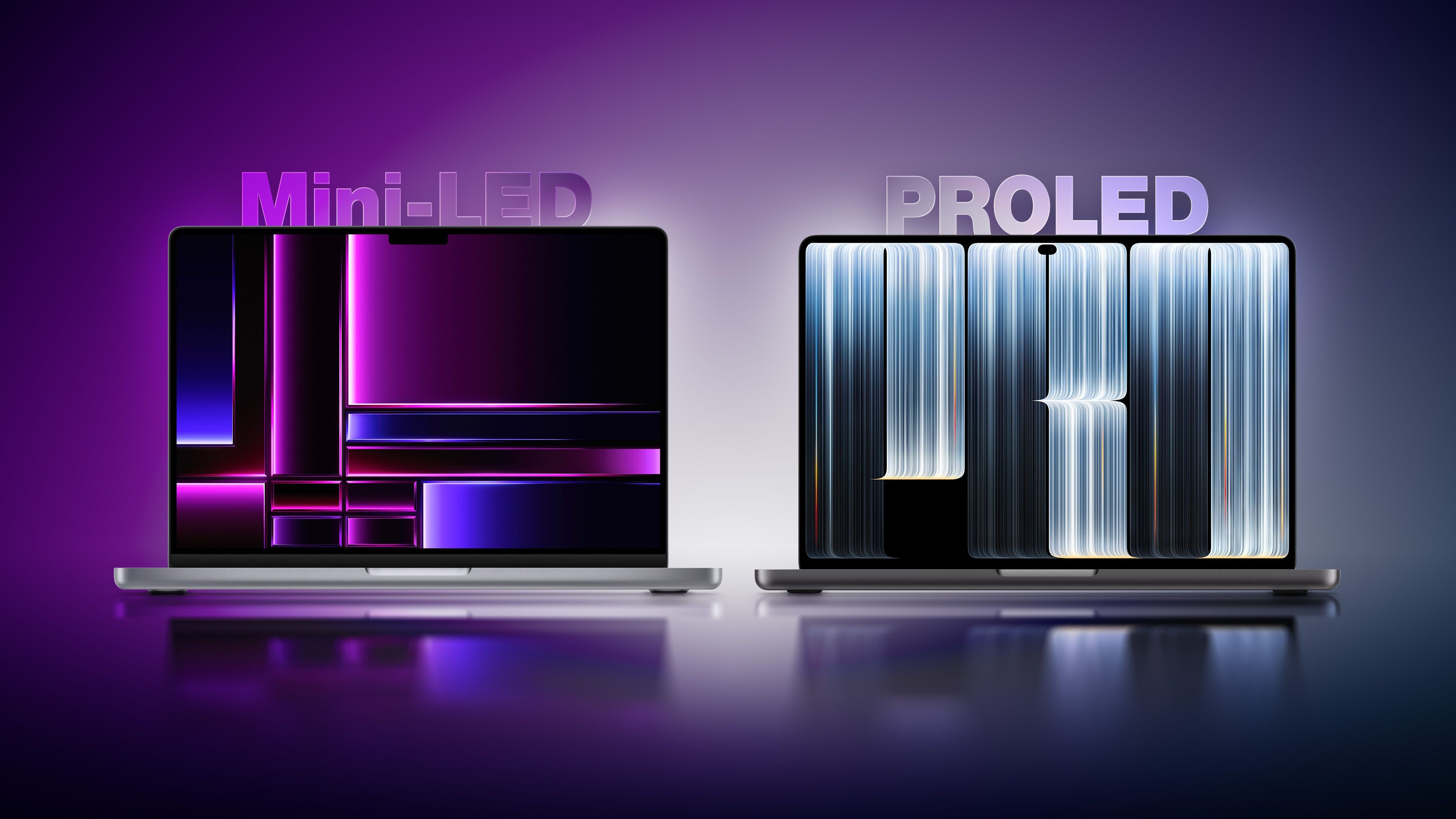
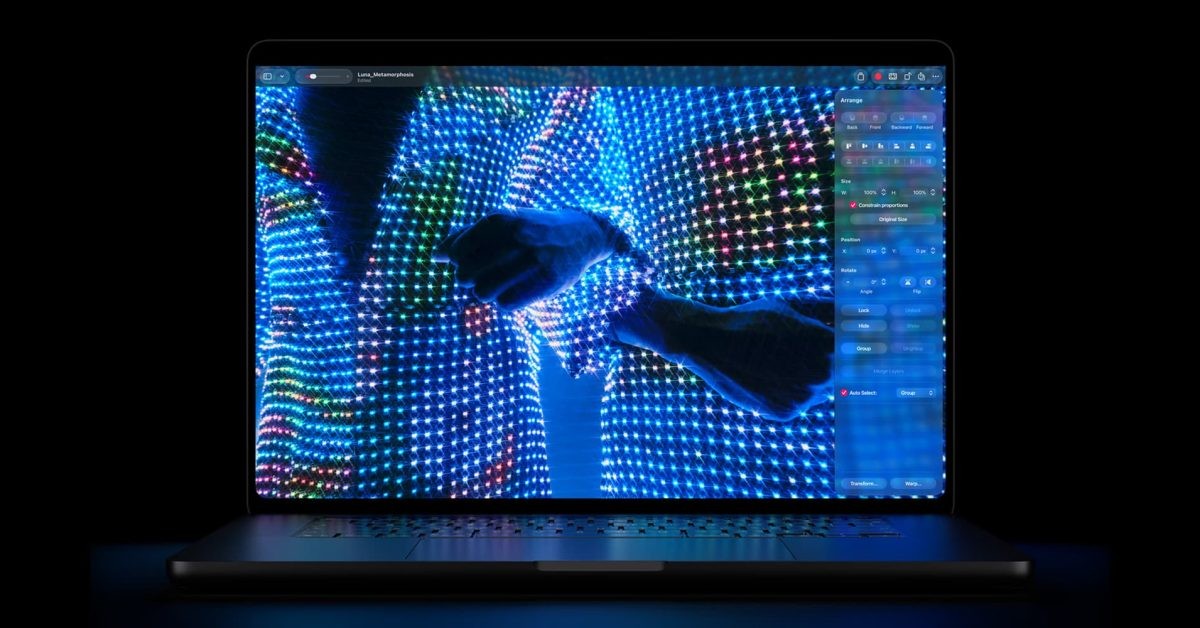
Apple has officially announced its new MacBook Pro models featuring OLED touchscreens and PROLED XDR displays. This major design shift has sparked widespread industry discussions about the ergonomics and practicality of touch interfaces on traditional laptops.
- Steve Jobs famously stated back in 2010 that vertical touchscreens are ergonomically terrible and cause arm fatigue.
- Sixteen years later, Apple changed course by introducing its first MacBook Pros with touchscreens.
- Competitors like Microsoft Surface and Samsung Galaxy Book series have offered similar touchscreen capabilities for years.
Steve Jobs' Legacy and Apple's Shift
Back in 2010, Steve Jobs heavily criticized the concept of putting touchscreens on laptops, arguing that touch surfaces do not belong vertically. He claimed that while such interfaces make for great demos, extended use leads to arm fatigue and poor ergonomics. However, leadership under John Ternus and the hardware engineering team has now embraced OLED-based touchscreens for the newest MacBooks.
Market Context and Competitors
Read alsoApple iPhone 17, OLED iPad mini, and touch-enabled MacBook Pro launchedApple is certainly not the first to enter this space. Microsoft Surface laptops and tablets, as well as numerous Windows on ARM and x86 devices, have featured touchscreens for years. Furthermore, competitors like Samsung continue to update their Galaxy Book series with advanced processors, keeping competition fierce across the portable PC market.
What This Means for Users and the Industry
For consumers, Apple's adoption of touchscreens on pro-level laptops bridges the gap between traditional computing and mobile experiences. While the ergonomic debate surrounding vertical touch surfaces remains active, Apple's entry into this segment could reshape user expectations across the entire laptop industry.
Source: GSMArena.com - Latest articles