Apple sets iPhone sales record without launching standard model
Apple reported a record iPhone revenue quarter reaching $57.58 billion, jumping 17 percent despite lacking a standard model release.
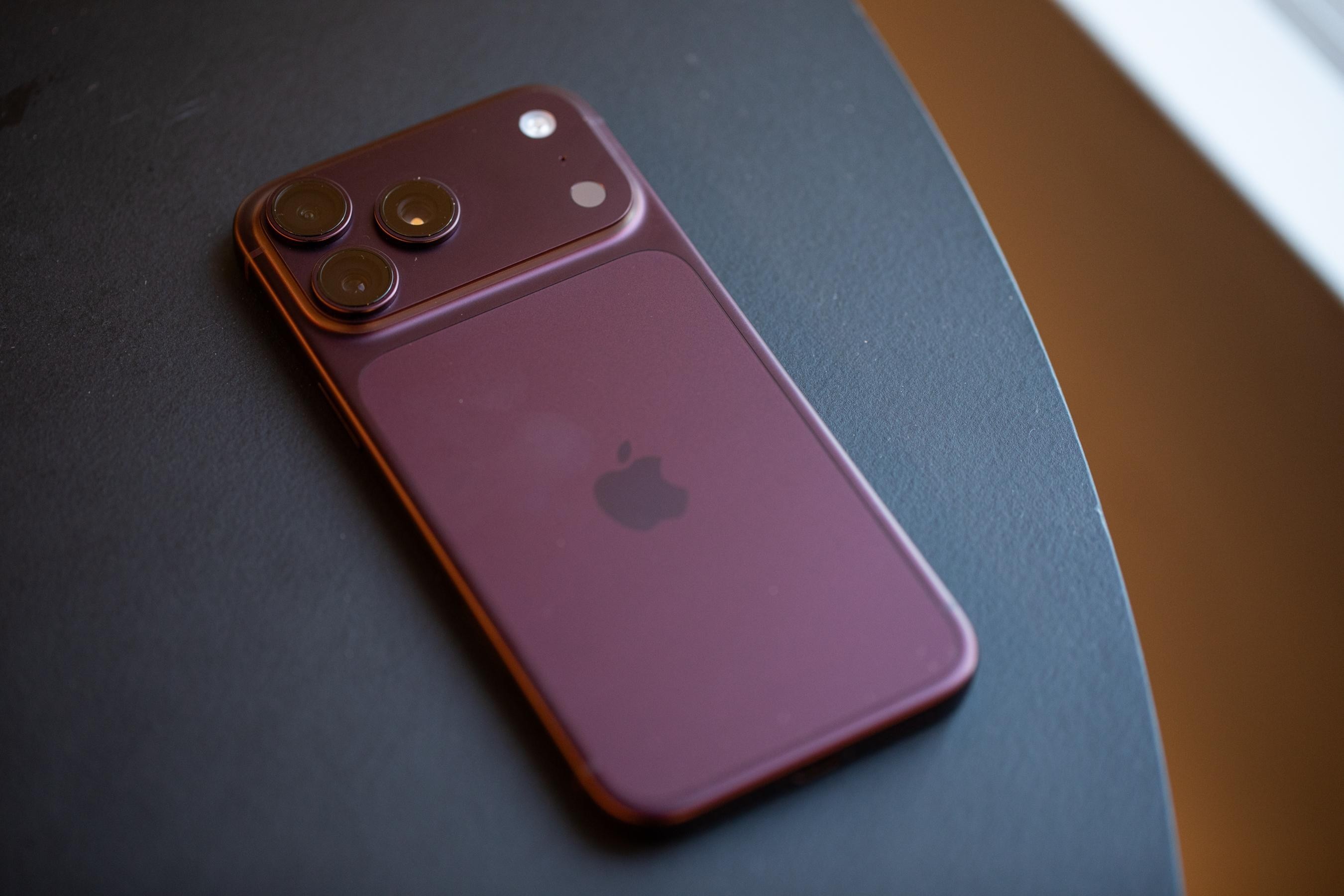
Apple has achieved a record-breaking quarter for iPhone sales, despite omitting a standard model during its latest product refresh. In its fourth-quarter earnings report, Apple announced it earned $57.58 billion in iPhone revenue, marking a significant 17 percent jump compared to the same period last year.
- Revenue milestone: iPhone sales reached $57.58 billion, a 17% increase year-over-year.
- Growth drivers: Launch of the higher-priced iPhone 18 Pro models and price hikes on older devices.
- Overall earnings: Total company revenue grew by 12% to hit $114.5 billion.
- Hardware additions: Unveiling of the foldable iPhone Duo and a touchscreen MacBook Pro.
New Lineup Strategy and Pricing Adjustments
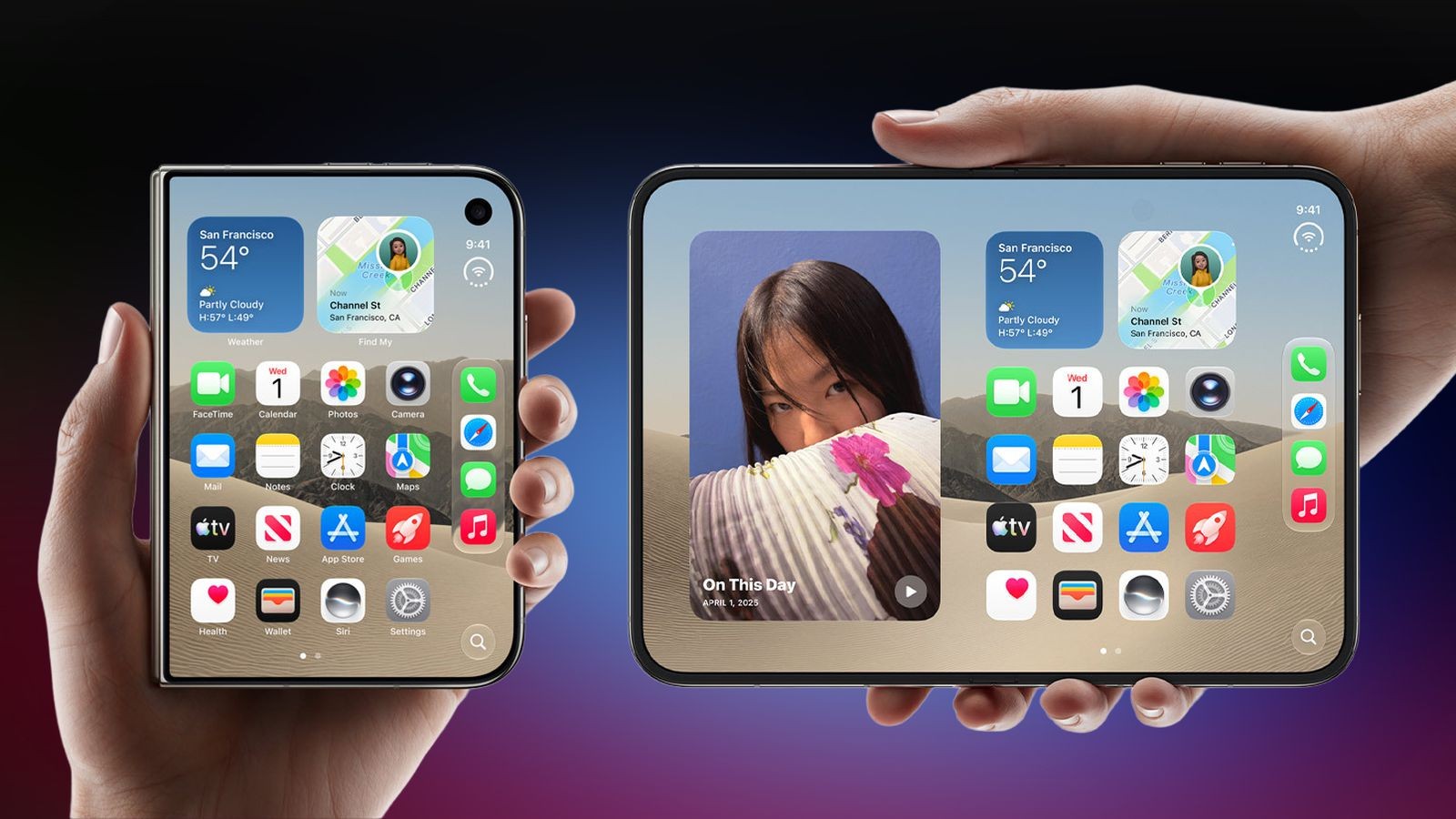
The revenue increase follows the September debut of Apple’s iPhone 18 lineup, featuring the pricier iPhone 18 Pro and Pro Max models. Concurrently, the tech giant raised prices across its older generation devices. Apple also pulled back the curtain on its first folding phone, the iPhone Duo, though its pre-order sales are not reflected in this current earnings report.
Like other hardware makers, Apple has wrestled with supply chain bottlenecks and escalating memory costs, forcing product price increases. Apple CEO John Ternus noted that higher memory expenses compared to previous quarters were partially offset by inventory management and savings on non-memory components during an interview.
Read alsoApple OLED MacBook Pro, iPhone Duo issues and Poco X8s debutGrowth Across Services and Other Hardware Categories
Overall, Apple’s total revenue surged by 12 percent, ballooning to $114.5 billion. The Mac division experienced robust growth, climbing 24 percent to $10.79 billion. Meanwhile, the services sector, encompassing App Store commissions and subscriptions like Apple Music, expanded to $31.57 billion. Conversely, iPad revenue saw a 10 percent year-over-year decline down to $6.23 billion.
Apple also shook up other product categories over recent weeks with major hardware launches. The company made a significant push into smart home ecosystems by introducing a smart home display and security hardware created alongside LG and Schneider Electric. Furthermore, Apple revealed a touchscreen MacBook Pro, reversing a design stance executives had long resisted.
What This Means for the Industry and Consumers
Apple's financial results demonstrate that pivoting heavily toward premium Pro models and raising average selling prices can successfully drive massive revenue despite inflationary pressures and rising component costs. For the global tech market, Apple's continued success with higher-tier pricing sets a precedent for how consumer electronics manufacturers handle ongoing hardware supply constraints.
Source: The Verge