Artificial intelligence market bubble and risks: What Wall Street says
Wall Street CEOs and financial managers are divided over AI market risks, debt buildouts, and the future of tech investments.
The question of when the artificial intelligence bubble will burst continues to intrigue analysts and industry observers alike. While knowing the exact timing would change the financial game overnight, market participants are closely watching economic signals and debt market pressures.
- Wall Street financial leaders remain divided regarding the long-term risks of the AI boom.
- PIMCO CEO Emmanuel Roman warns of an upcoming market downturn and economic friction.
- Tech giants like Meta, Oracle, and Microsoft continue issuing billions in bonds to fund AI buildouts.
Financial leaders and the Hong Kong summit
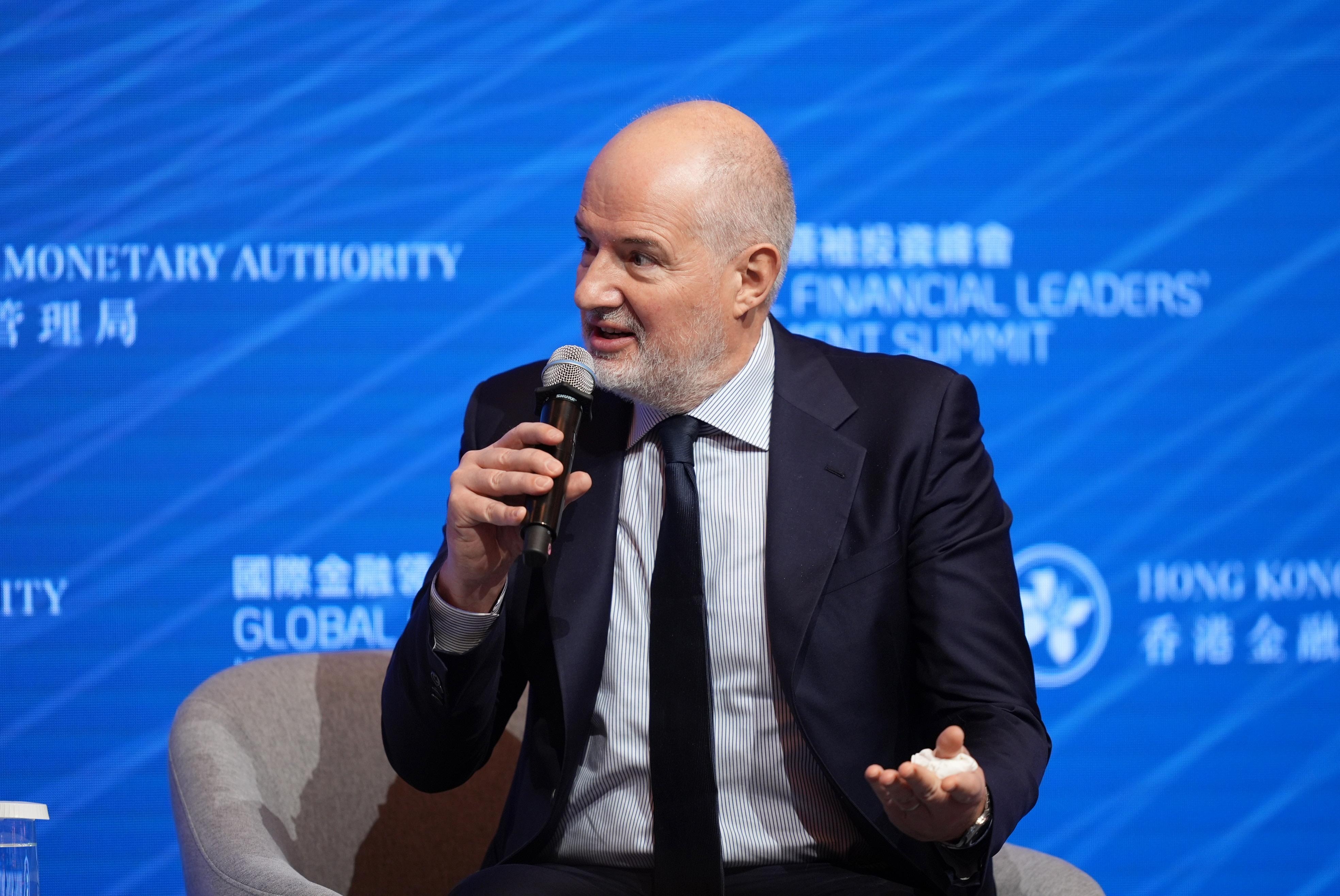
At the Global Financial Leaders’ Investment Summit in Hong Kong, executives discussed the mounting risks surrounding the artificial intelligence boom. Emmanuel Roman, CEO of bond firm PIMCO, told listeners that a downturn in the AI market is coming, after which certain elements will break. He estimated that the AI infrastructure buildout could create up to $2 trillion in financing needs over the next five years.
Given PIMCO's deep involvement in AI financing—including deals with CoreWeave, Meta, and SpaceX—its CEO publicly sounding the alarm carries significant weight, especially as the firm has recently sold off portions of its AI debt. Apollo Global Management has similarly expressed caution, pointing to ongoing uncertainty regarding pricing dynamics and macroeconomic viability.
Read alsoUS tech giants hidden AI debt swells 90% to $3.2T in 6 monthsDebt markets and massive corporate borrowing
The astronomical costs required to scale artificial intelligence have heavily impacted debt markets. Corporations continue borrowing aggressively: Meta recently drew $58 billion in orders for a bond offering expected to reach $20 billion, Oracle announced a need for another $20 billion in bonds, and Microsoft sold $25 billion in bonds for the first time in a decade.
Despite these massive capital inflows, prominent voices warn that macroeconomic triggers such as U.S. rate hikes, geopolitical conflicts, or a eurozone crisis could easily upend the market. While massive IPOs or continued enthusiasm could sustain momentum, growing caution suggests the peak of the current cycle may be approaching.
What this means for the tech industry
For businesses and developers, the shift toward financial caution means that raw enthusiasm is increasingly meeting economic reality. While global demand for computing power remains exceptionally strong, the long-term viability of AI investments will depend heavily on sustainable pricing, clear economics, and disciplined capital management.
Source: The Verge