ASTRA project: robot successfully builds autonomous structure in space
Caltech's experimental ASTRA robot successfully assembled a space structure autonomously for the first time in history.
·2 min read
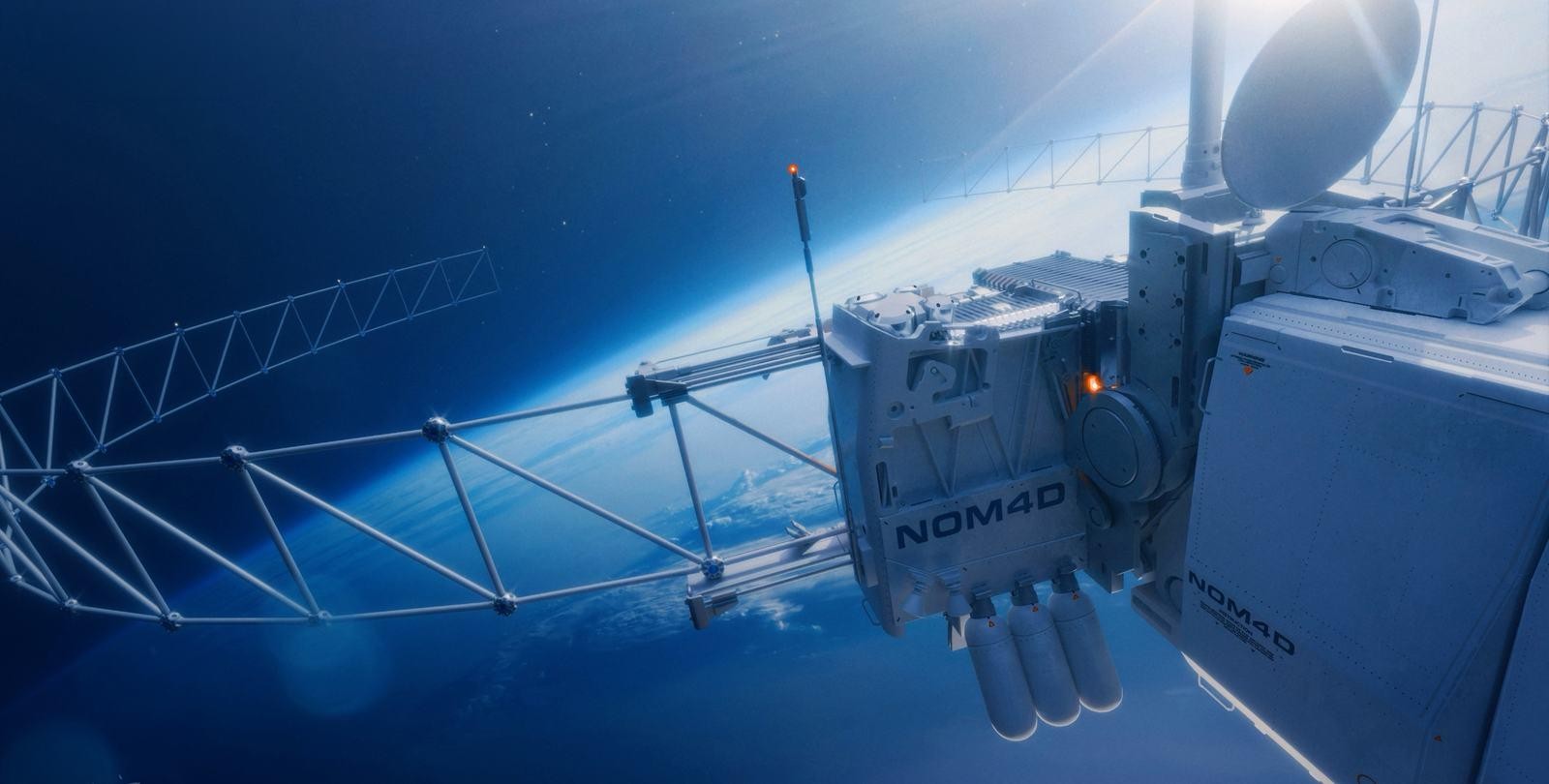
Researchers at the California Institute of Technology (Caltech) have achieved a historic milestone by demonstrating the first-ever autonomous in-space assembly by a robotic system. The experimental ASTRA module successfully connected composite tubes and polymer films in orbit without requiring continuous direct control from operators on Earth. This breakthrough proves the feasibility of bypassing traditional payload size limits imposed by rocket fairings.
- First time in history a robot independently assembled a structure in space.
- The ASTRA module was developed by a team at the California Institute of Technology (Caltech).
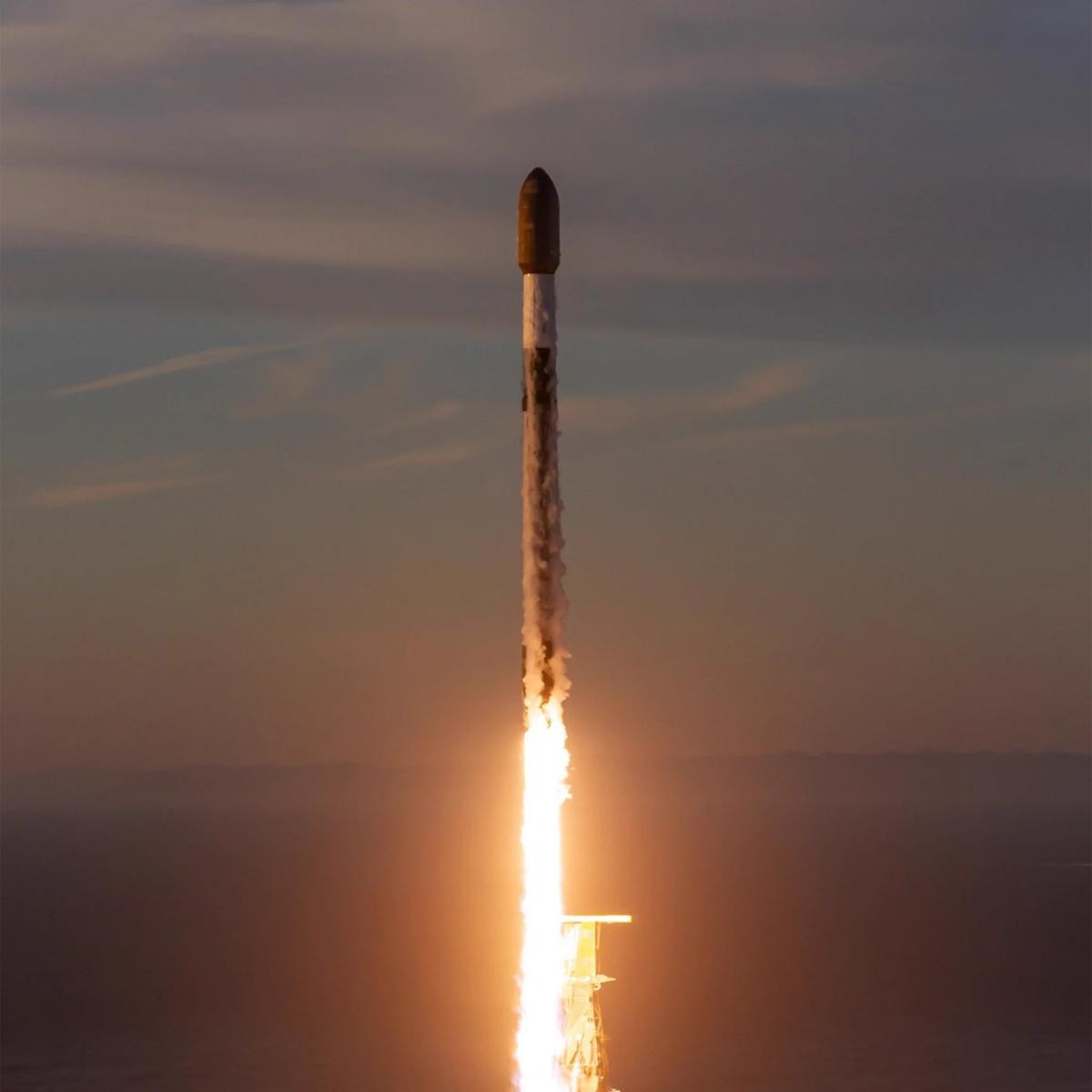
- Launched on March 30 aboard a SpaceX Falcon 9 rocket under the Transporter-16 mission.
- Successfully built a 1.4-meter antenna using composite materials and resilient polymers.
Mission details and launch of ASTRA The spacecraft was launched on March 30 aboard a SpaceX Falcon 9 rocket as part of the Transporter-16 program. Once in orbit, the module was integrated into Momentus's Vigoride 7 space tug. The robotic manipulator was controlled through short communication sessions lasting only about 15 minutes per day. Engineers transmitted basic commands, while the system autonomously positioned and secured the components onto the mounting plate.
Technology and the DARPA NOM4D program This demonstration is part of the NOM4D program overseen by the Defense Advanced Research Projects Agency (DARPA). Project lead Sergio Pellegrino noted that the current result merely tests basic assembly algorithms before scaling up to structures spanning hundreds of meters or kilometers. Zero gravity and the absence of atmospheric resistance eliminate traditional size constraints, enabling the creation of vast orbital structures.
Implications for future space infrastructure Successful autonomous assembly paves the way for building massive optical mirrors for space observatories, powerful orbital solar power stations, and large radio telescopes to detect faint signals from the universe. Concurrently, other research teams are testing carbon tube hardening methods aboard the International Space Station. This technology removes reliance on launch vehicle dimensions, establishing the technical foundation for future orbital infrastructure and telecommunications.
Source: iXBT.com