SpaceX completes 125th launch of 2026 and prepares to catch Starship
SpaceX has officially completed its 125th launch of 2026 and is preparing to catch the returning Starship spacecraft using Mechazilla arms.
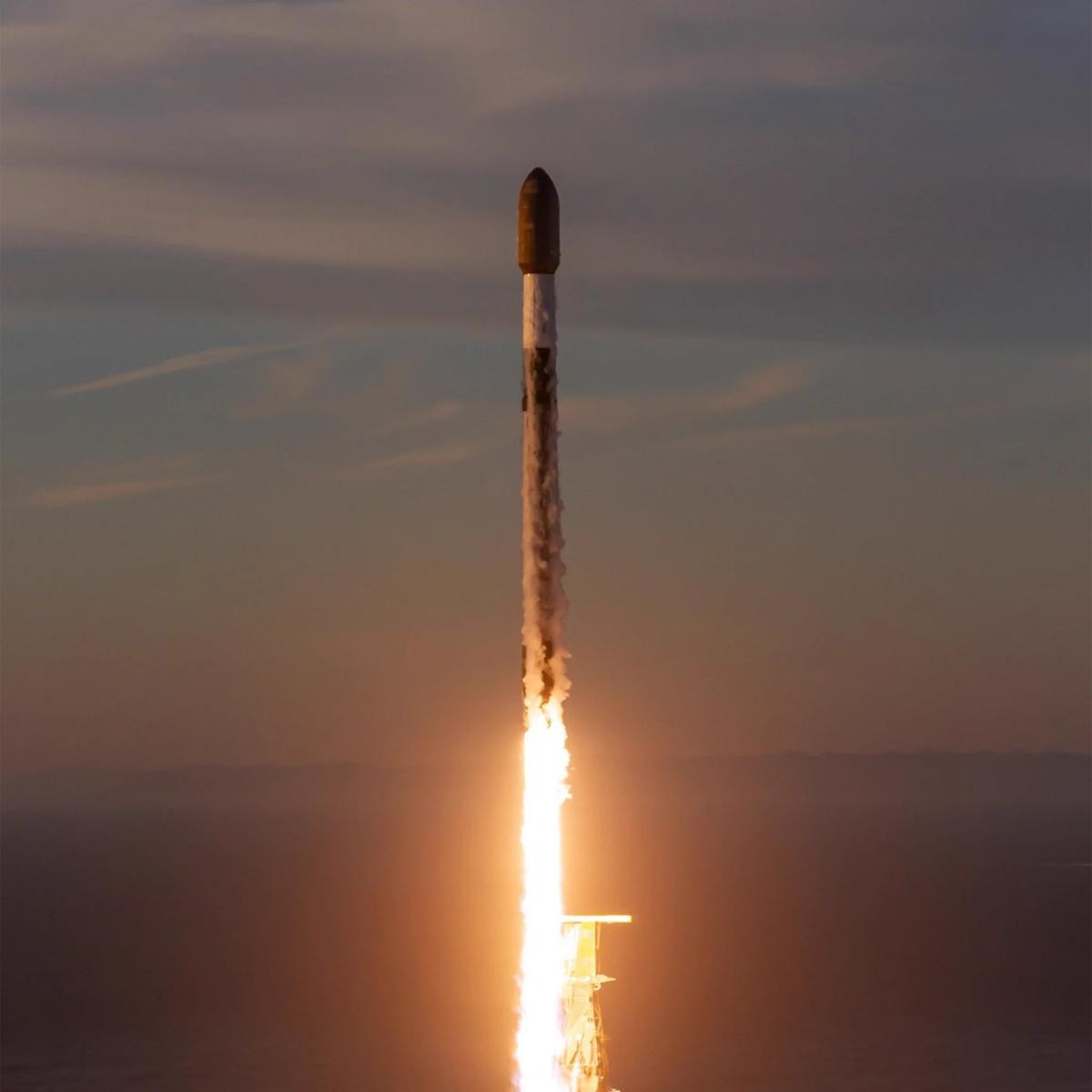
SpaceX has officially completed its 125th space launch since the beginning of 2026, steadily increasing its flight cadence. The bulk of the company's launch activity is handled by the Falcon 9, a two-stage rocket designed to deliver Starlink satellites and commercial payloads.
Key highlights of SpaceX launches in 2026 - The company reached 125 successful launches this year, driven by the flight-proven Falcon 9. - Falcon 9's reusable boosters continue to drastically reduce the cost of payload delivery. - This week will feature a historic Starship test attempt to catch the returning ship using Mechazilla arms.
The role of Falcon 9 in modern spaceflight
The two-stage Falcon 9 remains the workhorse of Elon Musk's company. Its ability to return the first stage to a droneship or land pad has made orbital launches regular and commercially viable.
The continuous reuse of boosters has shortened turnaround times between missions. This exact technology laid the groundwork for deploying the massive global Starlink satellite internet constellation.
Read alsoSpaceX successfully catches orbital Starship spacecraft with mechanical armsFeatures of the heavy-lift Starship system
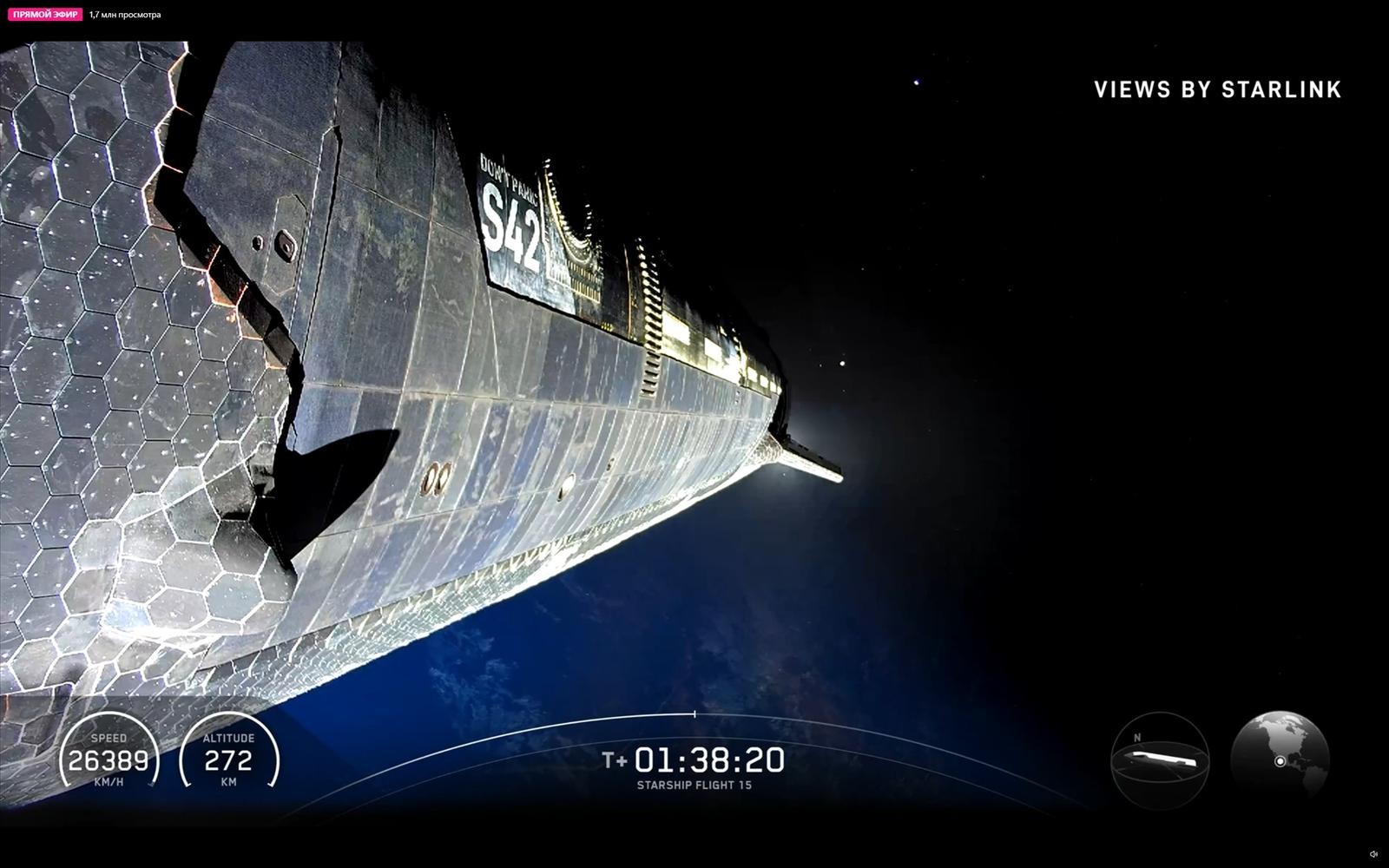
Unlike Falcon 9, the Starship system is a completely reusable heavy-lift transportation architecture. It consists of the Super Heavy booster and the Ship spacecraft, engineered for missions to the Moon, Mars, and deep space exploration.
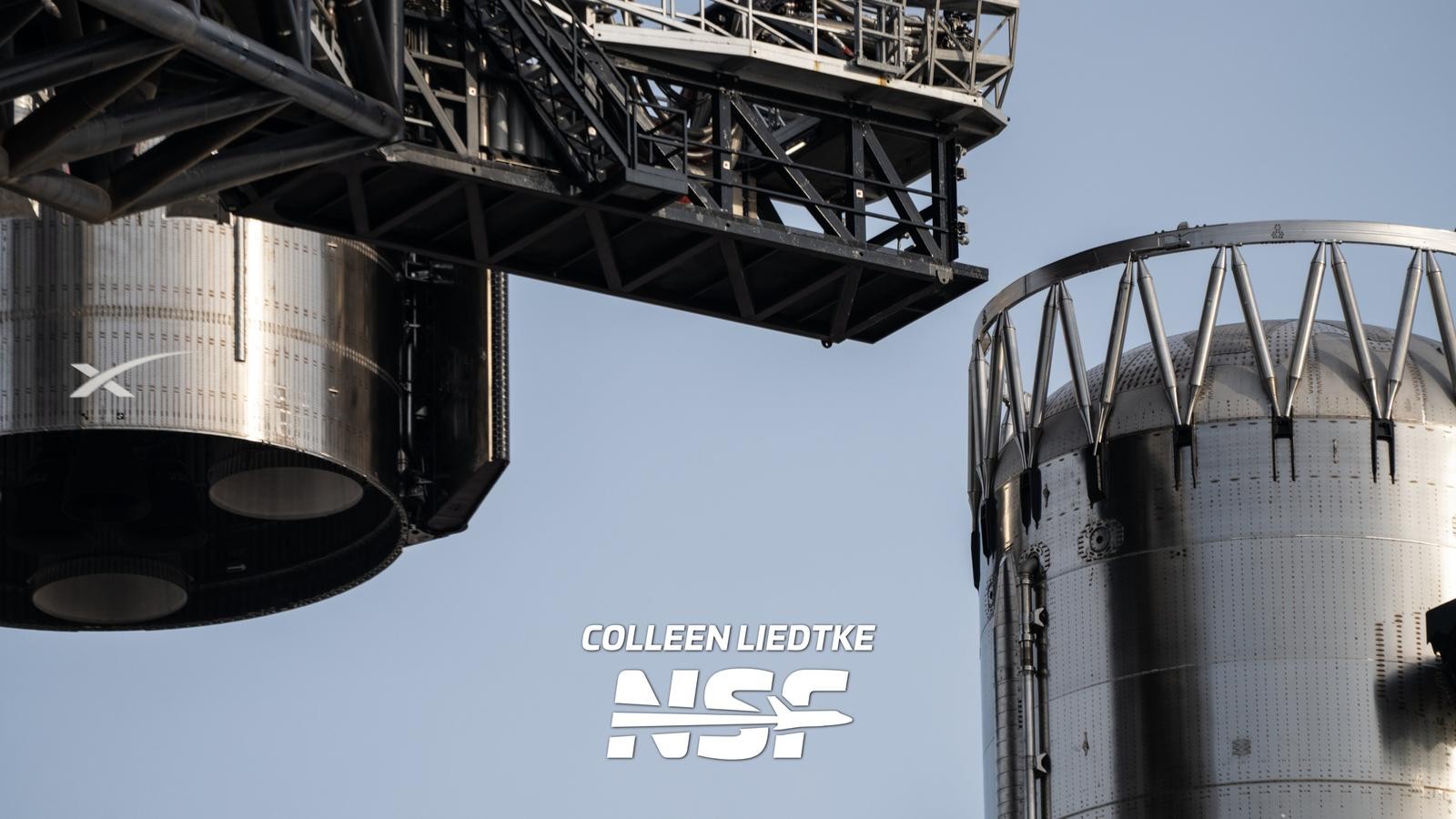
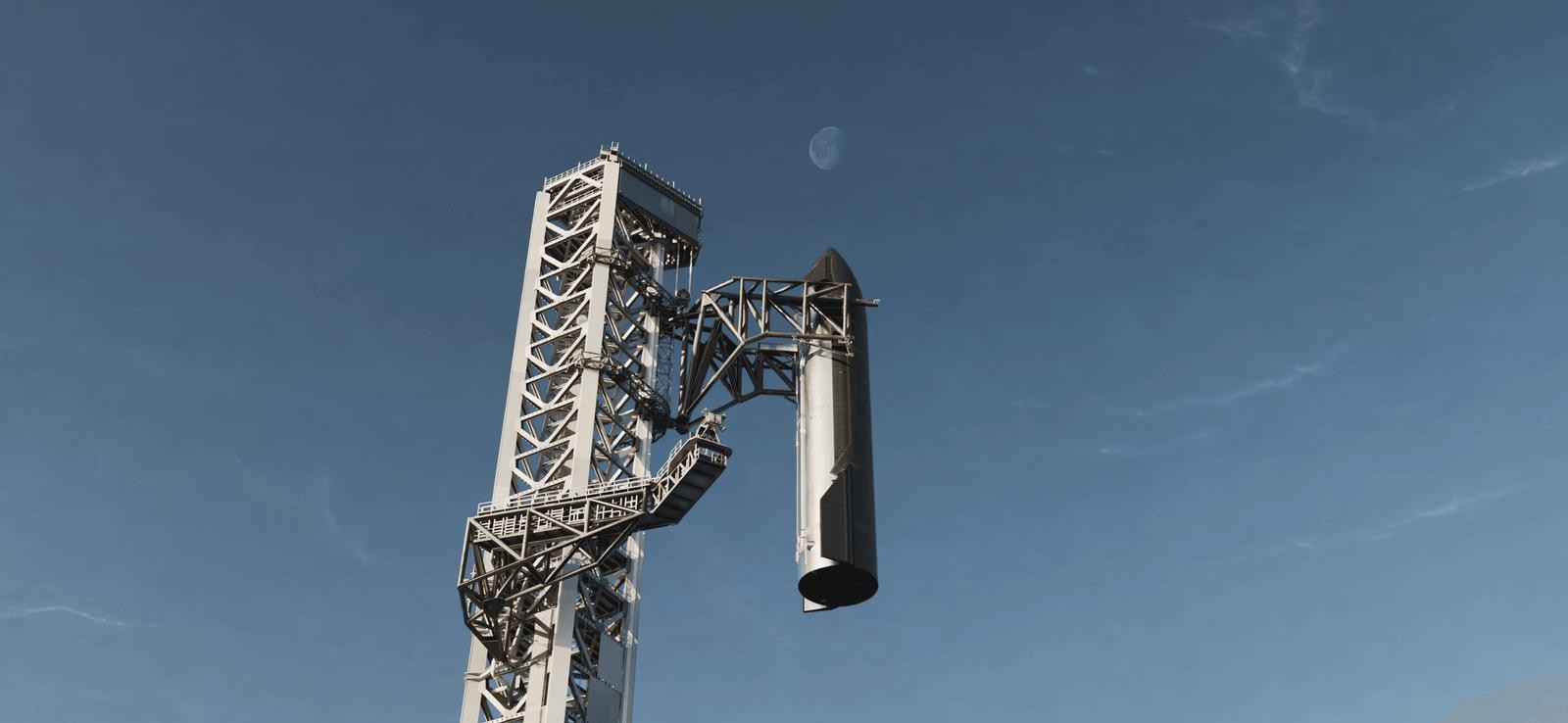
To catch returning components, SpaceX has designed a specialized launch tower equipped with Mechazilla mechanical arms, designed to grab the vehicle directly out of the air upon landing.
What the upcoming test means for the future
The upcoming attempt to catch the returning Ship spacecraft with Mechazilla mechanical arms represents a critical milestone. A successful catch will be a fundamental achievement in validating the full reusability concept.
Looking forward, eliminating the need for separate landing pads and turning vehicles around faster for subsequent flights will pave the way toward regular interplanetary travel and multi-planetary life.
Source: iXBT.com