CATL sodium-ion batteries and battery swapping strategy
CATL is advancing sodium-ion electric vehicles through its Choco-Swap fast-swapping station network, offsetting energy density limits.
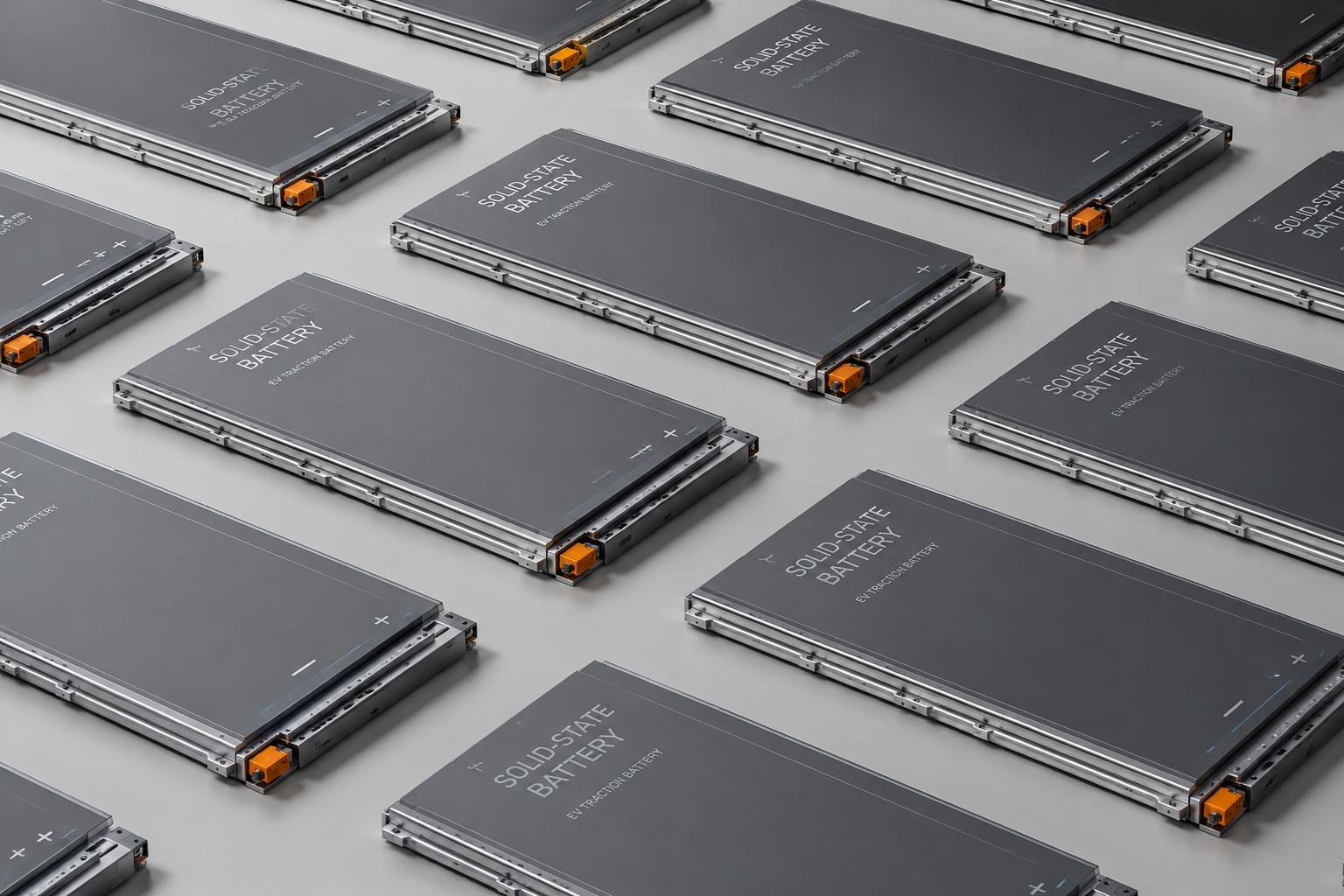
China's CATL has outlined a fresh strategy to promote electric vehicles powered by sodium-ion batteries utilizing a fast-swapping station infrastructure. Chairman Robin Zeng detailed the initiative at a Benchmark Mineral Intelligence event in Shanghai, explaining how swapping stations address the technology's primary constraints.
- CATL plans to expand its Choco-Swap swapping network to over 3000 stations by the end of 2026, up from 1020 in December 2025.
- Sodium-ion cells retain over 90% of their capacity even at extreme temperatures down to -40 °C.
- The manufacturer is investing $735 million to build 40 GWh of dedicated sodium-ion battery manufacturing capacity.
The Choco-Swap Infrastructure and Rental Model
CATL is actively growing its proprietary Choco-Swap ecosystem by leasing batteries directly to customers. Currently, these stations operate across roughly 200 Chinese cities. While the network comprised 1020 locations across 45 cities in December 2025, the company aims to scale this figure past 3000 stations by the end of 2026.
This infrastructure fundamentally transforms the EV driving experience. A sodium-ion battery easily covers daily urban commuting needs, while long trips are facilitated by swapping a depleted battery for a fully charged one in mere minutes at a dedicated station, eliminating lengthy charging delays.
Read alsoYour EV battery can run your house: what stops most peopleAdvantages and Technical Specifications
Sodium-ion chemistry brings distinct advantages over traditional lithium-ion and lithium iron phosphate (LFP) alternatives. They perform remarkably well in cold weather, offer enhanced safety profiles, and show lower sensitivity to volatile lithium commodity prices. For instance, CATL's cells retain over 90% capacity at -40 °C.
Although energy density remains lower than lithium alternatives—yielding up to 175 Wh/kg and a driving range exceeding 400 km in joint projects with Changan—their production costs are rapidly approaching LFP price parity, making them highly attractive for mass adoption.
Production Scaling and Financial Investments
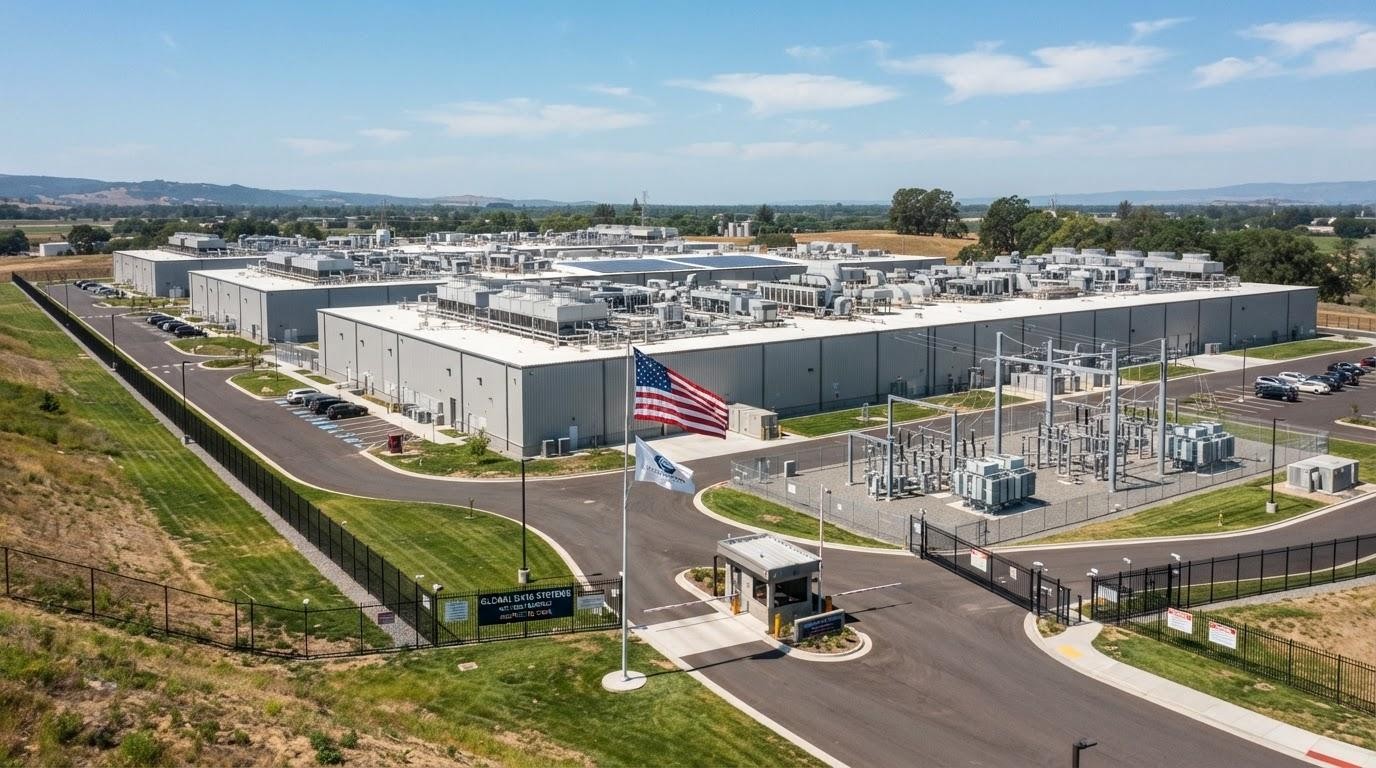
To drive this technological shift, CATL has announced a substantial $735 million capital investment. These funds will establish manufacturing facilities boasting a cumulative annual capacity of 40 GWh dedicated to the new Naxtra sodium-ion battery lineup.
Deployment within the swapping network begins this year, though initial volumes will remain modest. CATL estimates that between 10,000 and 20,000 electric vehicles will incorporate these sodium-ion batteries throughout 2026 as a stepping stone to mass production.
Industry Impact and Market Outlook
The fusion of sodium-ion battery technology with automated swapping networks marks a critical evolution for the global automotive sector. By reducing reliance on expensive lithium supply chains and offering robust cold-weather performance, this strategy provides a scalable path toward affordable and practical electric mobility.
Source: iXBT.com