Your EV battery can run your house: what stops most people
Electric vehicle batteries have enough power for homes, but V2H adoption faces high costs, hardware limits, and compatibility hurdles.
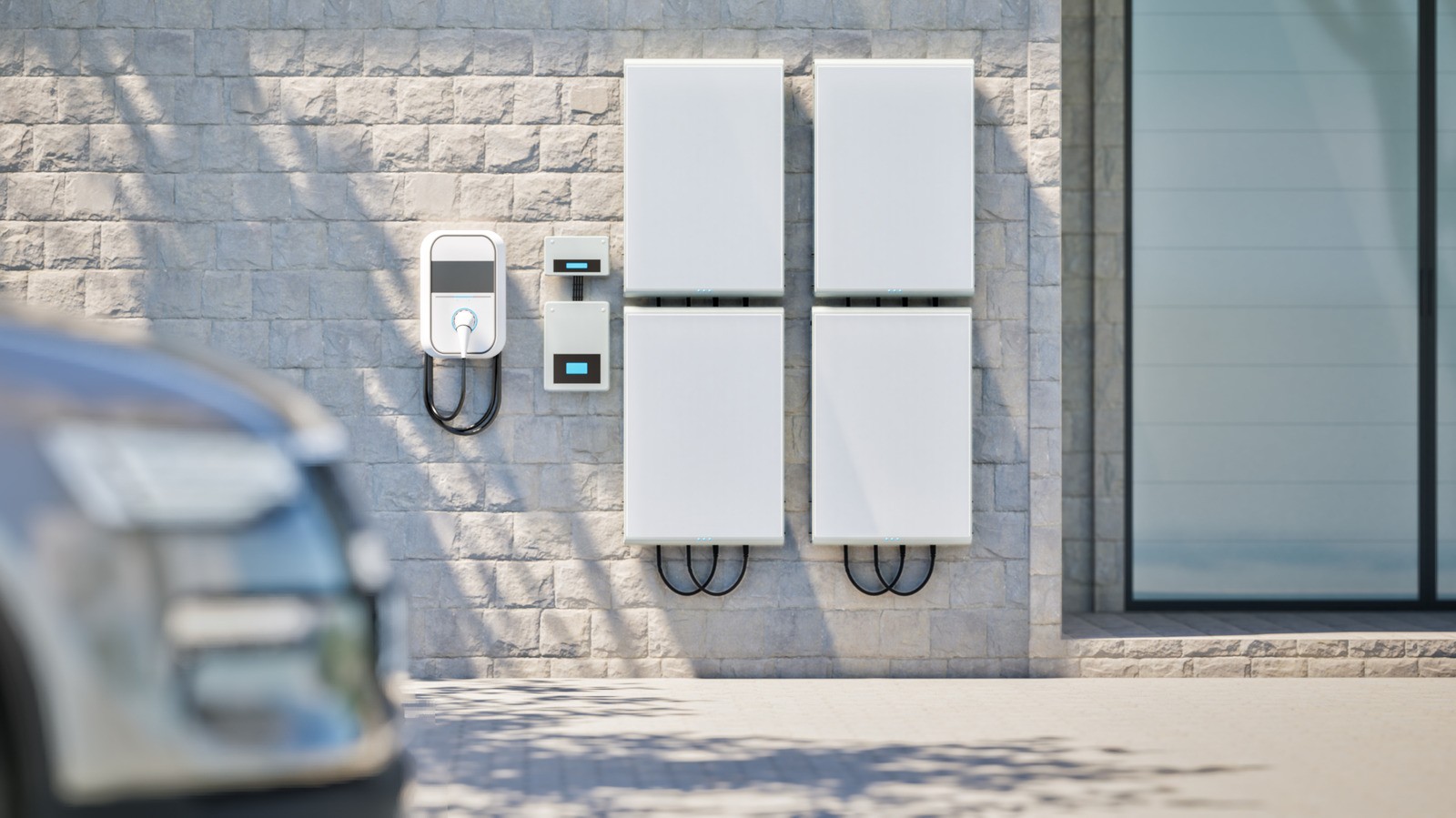
Today's electric vehicle batteries possess significantly more capacity than standard home batteries, making it logical to consider powering a house with a car. However, a combination of technical, financial, and logistical factors turns this concept into a challenge for most people.
- EV batteries offer high capacity, but require Vehicle-to-Home (V2H) compatibility
- Transferring energy demands bidirectional chargers, inverters, and transfer switches
- The setup can be expensive and is limited by brand-specific hardware and location
Technical Requirements and V2H Complexity
To turn an EV into a home backup system, the vehicle must support bidirectional operation and feature a compatible V2H setup. A standard charging connection does not work in reverse. Homeowners also need an inverter, a gateway, and an islanding switch to safely disconnect the home from the utility grid during outages.
It is also vital to distinguish V2H from Vehicle-to-Load (V2L), which merely powers individual appliances via built-in outlets. Whole-home backup requires approved installations that can handle startup surges from heavy appliances like air-conditioners and refrigerators without damaging the electrical system.
Read alsoTesla to End Cybertruck Production in 2027 to Focus on CybercabCosts and Everyday Practical Limitations
Setting up a home backup system can get expensive quickly. Depending on the setup, costs include a bidirectional charger, inverter, gateway, electrical labor, permits, and potential panel upgrades. Furthermore, everyday limitations apply: the car must be home, connected, and sufficiently charged.
Every unit of energy consumed by the house reduces the vehicle's driving range. Frequent usage can also contribute to battery wear over the long run. Compatibility remains a major bottleneck, as solutions from manufacturers like GM, Kia, and Tesla are largely non-interchangeable and require matching ecosystem parts.
What This Means for EV Owners
Regional availability also plays a role, with certain bidirectional features restricted to specific markets or states. Before purchasing an EV with home backup in mind, buyers must verify vehicle support, hardware availability, and local installation quotes to ensure the entire system works smoothly.