Ceres-2 Y3: successful launch of Chinese rocket after failure
Galactic Energy successfully launched its upgraded Ceres-2 Y3 rocket, placing four scientific and meteorological satellites into orbit.
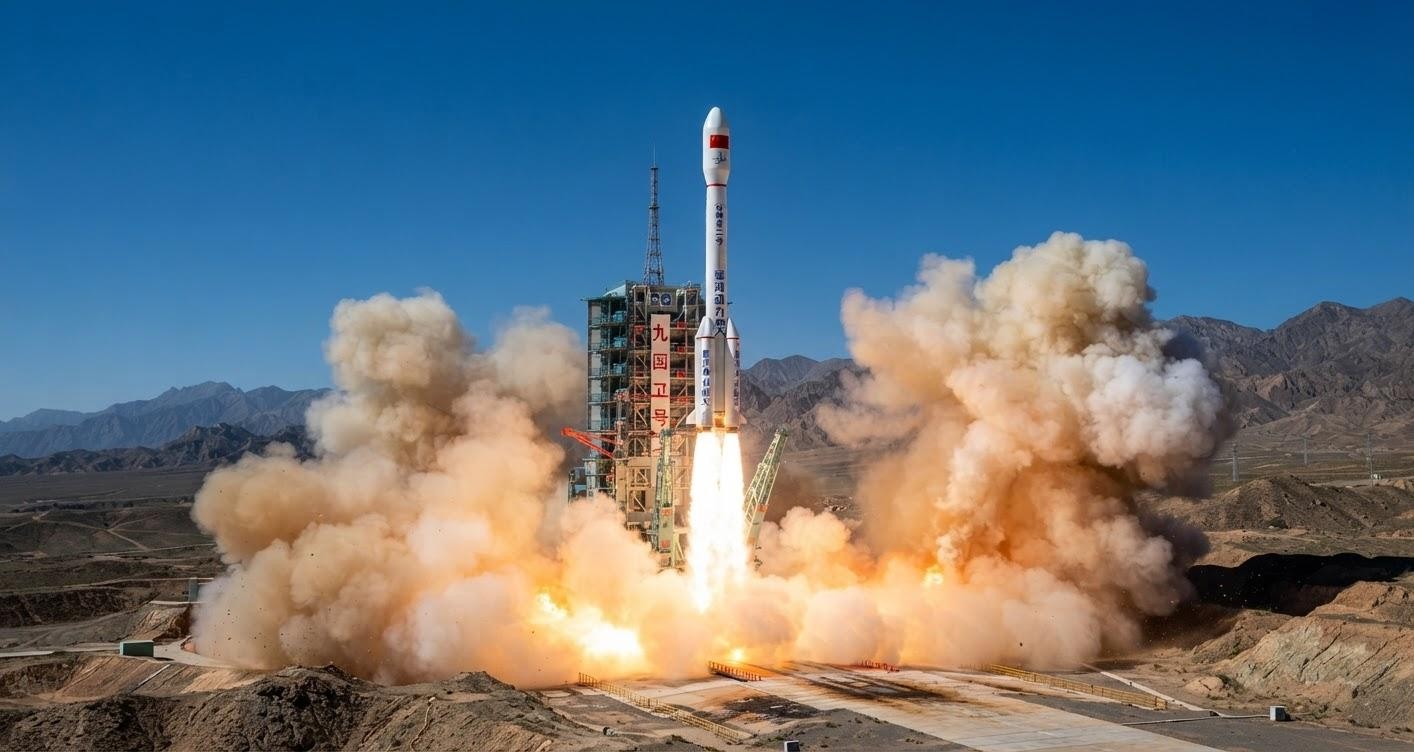
China's Galactic Energy has successfully launched the Ceres-2 Y3 carrier rocket from the Jiuquan Satellite Launch Center. Four spacecraft were successfully delivered to a sun-synchronous orbit at an altitude of 535 kilometers. This milestone marks a significant recovery for the company following an earlier setback.
- Ceres-2 Y3 successfully launched from Jiuquan
- Four satellites for various purposes placed into orbit
- Rocket thoroughly redesigned following a previous failure
- Capacity to deliver up to 1.3 tons of payload to orbit
Recovery from the previous setback
This flight was only the second for the Ceres-2 rocket and the first successful mission since the failure on January 17, 2026. Over the past nine and a half months, Galactic Energy engineers thoroughly overhauled the rocket's design, upper-stage liquid propulsion system, electrical systems, and ground equipment.
According to company statements, the current launch provided a comprehensive real-world test of the implemented modifications and additional ground testing results.
Read alsoChina Disrupts Global AI Chip Production With Micro-Drill ShortageSpecifications of the upgraded vehicle
Ceres-2 is a larger and modernized version of the earlier Ceres-1 rocket. It is equipped with three solid-fuel stages and a liquid upper stage. The vehicle stands about 30 meters tall, has a maximum hull diameter of 2.35 meters, and a launch mass of approximately 100 tons.
These parameters allow the rocket to deliver up to 1.3 tons of payload to a 500-kilometer sun-synchronous orbit. By comparison, its predecessor Ceres-1 could only lift about 300 kg of cargo into orbit.
Upper stage innovations and payload
Engineers utilized a 3D-printed metallic liquid engine for the upper stage, along with cost-effective fuel tanks and gas cylinders. This design approach reduced production costs while improving overall efficiency.
The four spacecraft deployed during this mission serve various roles, including ocean observation, meteorological data collection, university research, and space situational awareness monitoring.
Industry impact
The successful mission of Ceres-2 Y3 highlights the adaptability and rapid problem-solving capabilities of China's commercial space sector, paving the way for future reliable launches.
Source: iXBT.com