TSMC considers entering advanced 3D DRAM memory manufacturing
Taiwan's TSMC is exploring the production of 3D DRAM memory chips, a market currently dominated by Samsung, SK Hynix, and Micron, with Nvidia's backing.
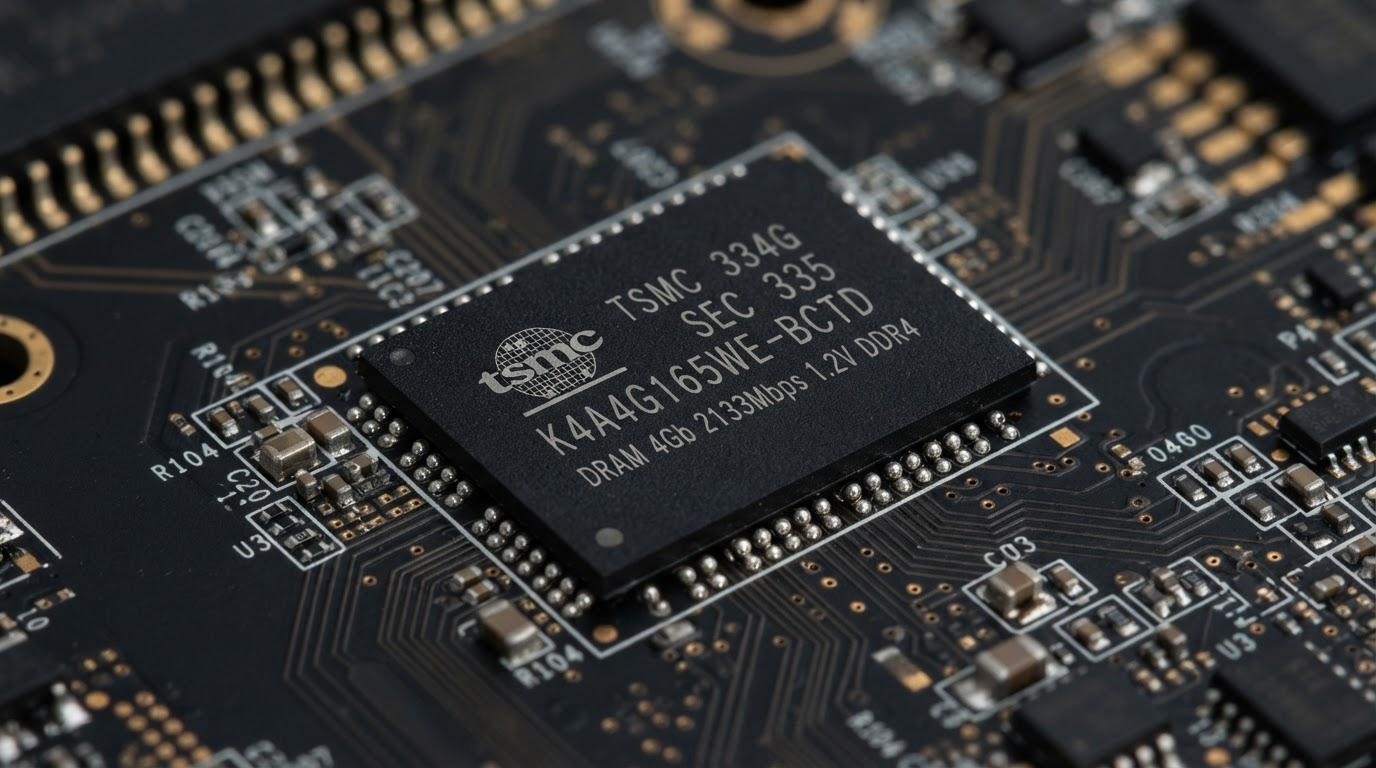
Taiwanese semiconductor manufacturing giant TSMC is seriously considering entering the advanced memory market, which is currently controlled by major players like Samsung, SK Hynix, and Micron. According to reports from The Information, the company is actively exploring the prospects of manufacturing a new type of chip known as 3D DRAM, a move that could significantly alter the industry landscape.
- TSMC is exploring entry into the advanced 3D DRAM memory market
- Nvidia has shown interest in this new manufacturing direction
- Launch timelines and production capacities remain undetermined
- Options include building a new facility or acquiring an existing one
Technological features and the AI boom
The 3D DRAM technology involves the vertical stacking of memory cell layers on top of each other. This architectural approach allows for increased data storage density and potentially higher bandwidth. Such capabilities are especially crucial for artificial intelligence accelerators, which continuously demand larger amounts of fast memory to handle massive machine learning models efficiently.
Strategic plans and production approaches
Read alsoTSMC and Samsung shares crash following sell-off across Asian marketsAt present, TSMC has not yet finalized timelines for a potential mass production launch or the required manufacturing capacities. Among the options under consideration are constructing a brand new factory from scratch or purchasing an existing facility and successfully reorienting it toward memory production.
Implications for the market and Nvidia
If these plans materialize, it will mark a major strategic shift for TSMC, which has traditionally specialized in the contract manufacturing of processors and other logic microchips. For Nvidia, collaborating with a new memory manufacturer could provide an additional way to mitigate risks and reduce dependence on restricted memory supplies.
Source: iXBT.com