DDR5 RAM prices surge by 760 percent in Japan tech market
DDR5 memory prices in Japan have surged by 760 percent since the beginning of the year. A 128GB kit now exceeds 2870 dollars due to shortages.
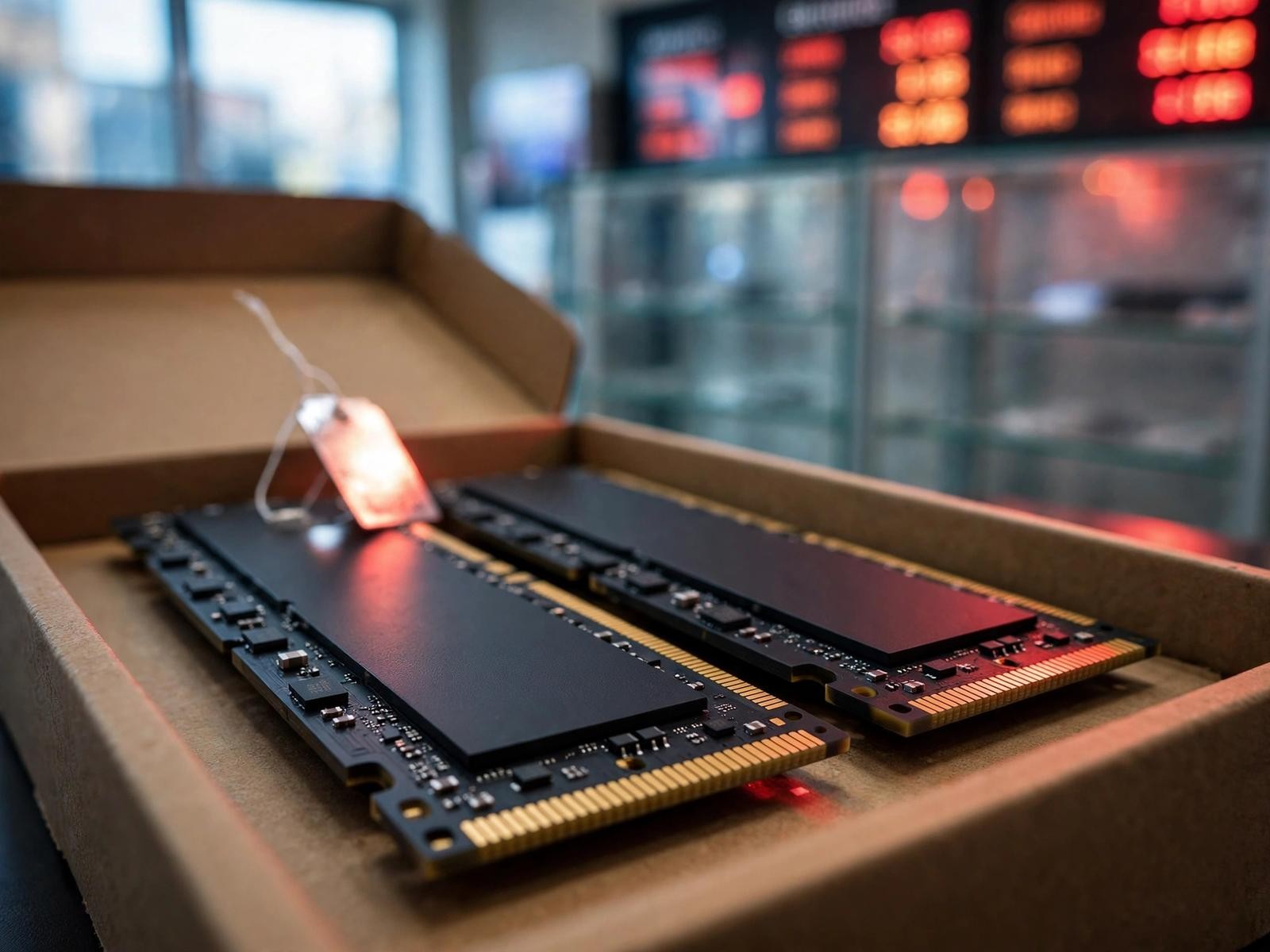
The Japanese computer hardware market is facing an unprecedented cost surge for DDR5 standard RAM. According to local retailers and price aggregators, certain items have skyrocketed in price by 760 percent since the beginning of the year, turning what used to be an affordable high-performance PC build into an extremely expensive enterprise.
Qisqacha: - DDR5 xotirasi Yaponiyada 760 foizga qimmatlashdi - 128 GB to'plam narxi 2870 dollardan oshdi - Ishlab chiqaruvchilar HBM va AI chiplariga o'tmoqda - Yenaning zaiflashuvi import narxiga ta'sir qildi
Factors driving the dramatic price surge
Experts attribute this price shock to a combination of multiple critical factors. First, major DRAM chip manufacturers are massively reorienting their production lines toward high-margin HBM memory, which is heavily utilized in artificial intelligence accelerators. This shift physically reduces the output capacity available for consumer-grade memory modules.
Second, the weakening of the Japanese yen against the US dollar makes electronic imports increasingly costly for local distributors. A perfect storm has emerged where consumer and enterprise demand vastly outpaces available supply, creating severe market tension and widespread component shortages across retailers.
Read alsoSam Altman calls consumer RAM use for AI "quite terrible"High-end segment impact and market behavior
The price inflation is particularly striking in the high-end segment of components. A kit consisting of two 64-gigabyte modules, totaling 128 gigabytes, has now confidently crossed the 2870 dollar threshold. Buyers face steep prices for extreme performance builds.
The price escalation is feeding on itself as distributors factor in future supply risks, while end consumers rush to stockpile hardware out of fear of even higher costs. Analysts warn that if balance is not restored between consumer memory and AI hardware production, Japan's trend could preview global market shifts.
Implications for global users and the IT industry
This localized crisis serves as a critical warning sign for the wider global IT ecosystem. If semiconductor foundries do not adjust their production allocations, PC enthusiasts and businesses worldwide might experience similar supply chain constraints and elevated hardware budgets.
For developers, gamers, and system builders globally, keeping an eye on component manufacturing shifts remains crucial for planning hardware upgrades and managing procurement budgets efficiently in an unpredictable economic landscape.
Source: iXBT.com