DeepSeek Introduces AI Superagent Architecture for Task Coordination
DeepSeek has unveiled an experimental superagent architecture designed to coordinate multiple AI assistants and automate workflows.
·2 min read
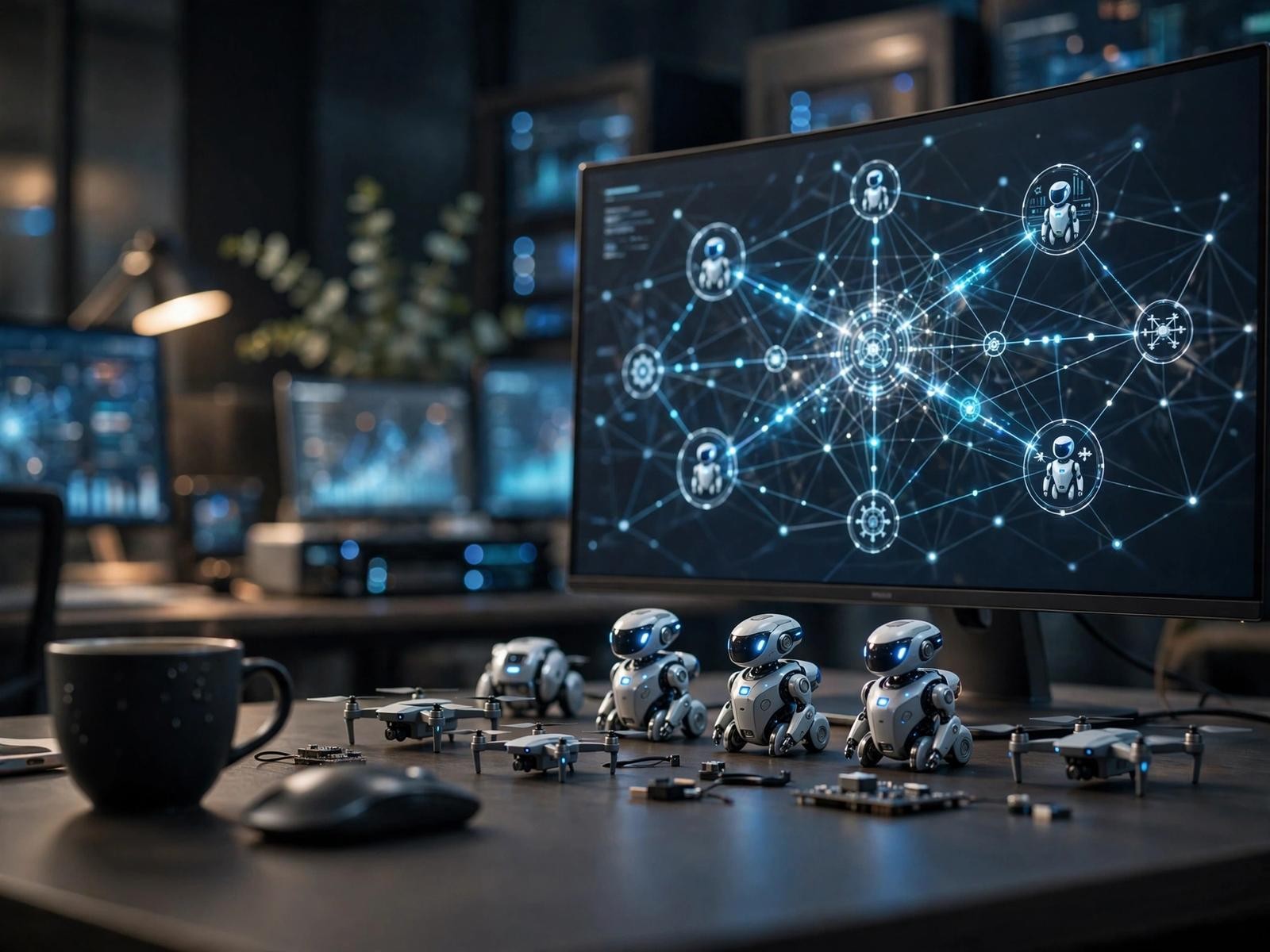
China-based DeepSeek has introduced an experimental "superagent" architecture designed to coordinate multiple AI assistants simultaneously. The system is built to independently break down complex assignments into smaller tasks, distribute them among agents working in parallel, and monitor execution without requiring constant human intervention.
- DeepSeek unveiled an experimental architecture to coordinate multiple AI agents.
- The system distributes complex tasks and accelerates workflows in tests.
- The project aims to automate continuous processes without human oversight.
Limitations of Current Systems and DeepSeek Approach Developers point out a major practical limitation in current agentic systems: users must manually assign tasks, monitor progress, and resolve conflicts between different agents. According to the DeepSeek team, a human can typically oversee only three to five active AI agent sessions at the same time. Centralized coordination aims to eliminate this bottleneck. By removing this restriction, the architecture allows for the automation of much longer and more complex workflows. The superagent acts as a central coordinator, letting users scale up parallel operations without getting overwhelmed by micromanagement.
Autonomous Event Response and Test Results It is expected that the superagent will not only follow pre-set instructions but also autonomously react to incoming events. For instance, upon detecting a software bug notification in a group chat, the system can attempt to reproduce the issue, find a solution, and prepare code modifications for human review. In tests described by the DeepSeek team, the experimental approach completed a task in less than 16 minutes. By comparison, the conventional method required over 29 minutes to finish. Developers attribute this time savings to parallel execution and automated agent coordination.
Market Context and Future Outlook This project reflects a broader industry shift from simple AI assistants that handle isolated prompts to sophisticated systems capable of managing entire workflows. Similar directions are being explored by Anthropic's Claude Code and OpenAI's Codex, though DeepSeek places a specific emphasis on multi-agent interaction. However, these initial results do not yet prove overall superiority over competing solutions. The technical description lacks sufficient details regarding task specifics, quality evaluation criteria, and reliability under varied software development scenarios. DeepSeek positions this open prototype as an early research project rather than a finished product.
Source: iXBT.com