Y Combinator CEO Garry Tan spends up to $200K a year on AI tokens
Y Combinator leader Garry Tan revealed he spends up to $200000 annually on AI agent tokens to manage his work and daily life.
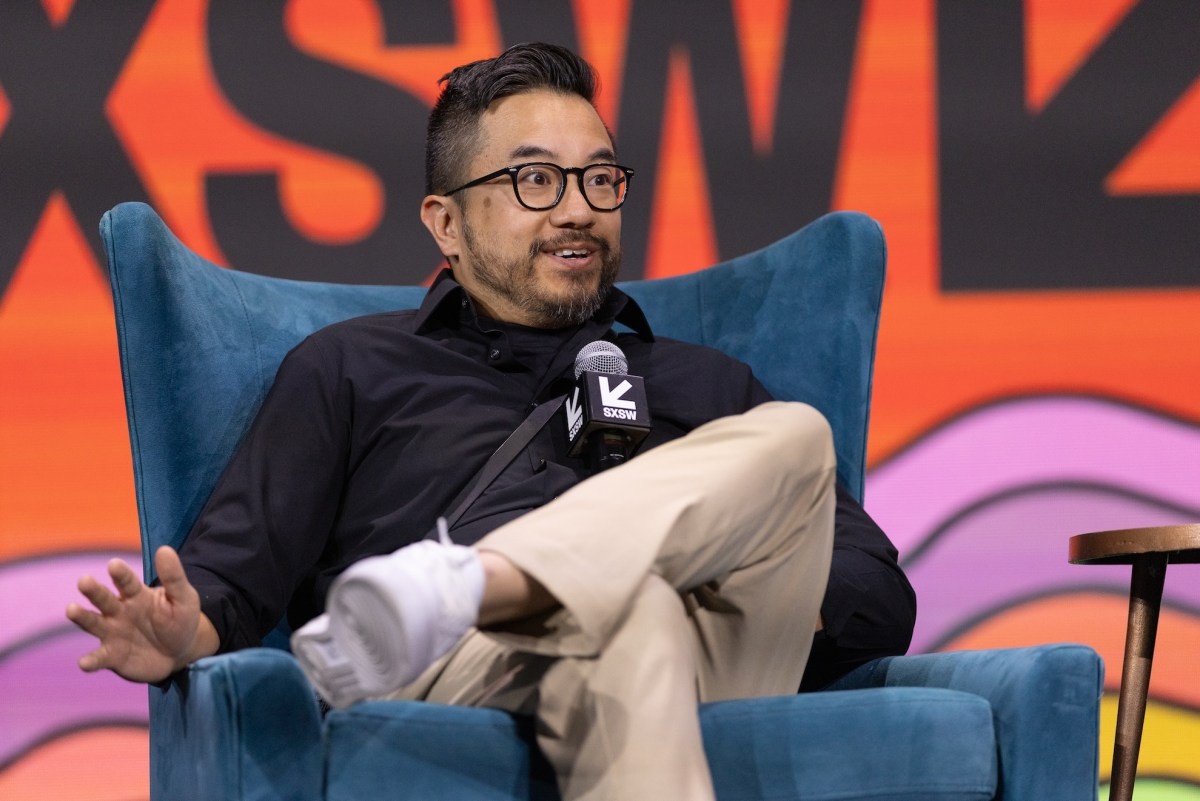
Y Combinator CEO Garry Tan has shared unprecedented insight into his heavy reliance on artificial intelligence. Speaking on a podcast, Tan revealed that his passion for working with AI agents costs him between $100,000 and $200,000 every year in token expenses.
- Garry Tan spends approximately $100,000 to $200,000 annually on AI tokens.
- His personal agent has read his emails, Dropbox files, Apple Notes, and 20 years of therapy notes.
- Y Combinator uses an internal AI agent named Stray Light containing the company's complete context and founder database.
- Tan believes high costs are currently the major barrier preventing personal AI agents from going mainstream.
How Garry Tan Uses AI Agents in Daily Life
Tan is an advanced power user who has even shared his set of 23 Claude Code skills, called gstack, publicly on Github. He utilizes agents not only for coding and research tasks but also as a comprehensive personal assistant that helps him run his life autonomously.
The level of integration is profound, as his agent has scanned his entire digital footprint, including all emails, Dropbox documents, Apple Notes, and even two decades of personal therapy notes. Tan advises against treating AI agents like traditional software, noting that their unpredictable and human-like qualities are their greatest asset.
Read alsoAnthropic IPO Should Be Blocked by SEC to Protect Public InvestorsInternal Y Combinator Agents and the Future of AI
Y Combinator itself is actively transforming its internal operations using custom agents. The company deployed an internal AI agent called Stray Light, which features a distinct personality and total context on every founder and application the accelerator has ever backed.
Despite his enthusiasm, Tan acknowledges that spending six figures on tokens is an extreme privilege and that costs must decrease for personal AI to become widespread. He also envisions a future where individuals control their own programmable personal AI rather than relying on algorithms controlled by big tech monopolies.
Source: TechCrunch