Forward Deployed Engineer: why demand for FDE roles is growing
Forward Deployed Engineer job openings surged 4.6x. Discover why companies are hiring engineers who work directly on-site with clients.

Amid changes in the tech job market, interest in a new career path known as the Forward Deployed Engineer (FDE) is surging. According to TrueUp data, the number of such job openings has grown 4.6 times to about 1,500 positions. This role attracts developers who want to write code while deeply engaging with real customer business problems.
- Global FDE job openings tracked by TrueUp grew 4.6x over the past year to roughly 1,500 positions.
- The role combines deep engineering work with direct, on-site communication with system users.
- Real-world examples from OpenAI, Palantir, and Serval demonstrate high demand across diverse industries.
What is an FDE and why the role is gaining momentum
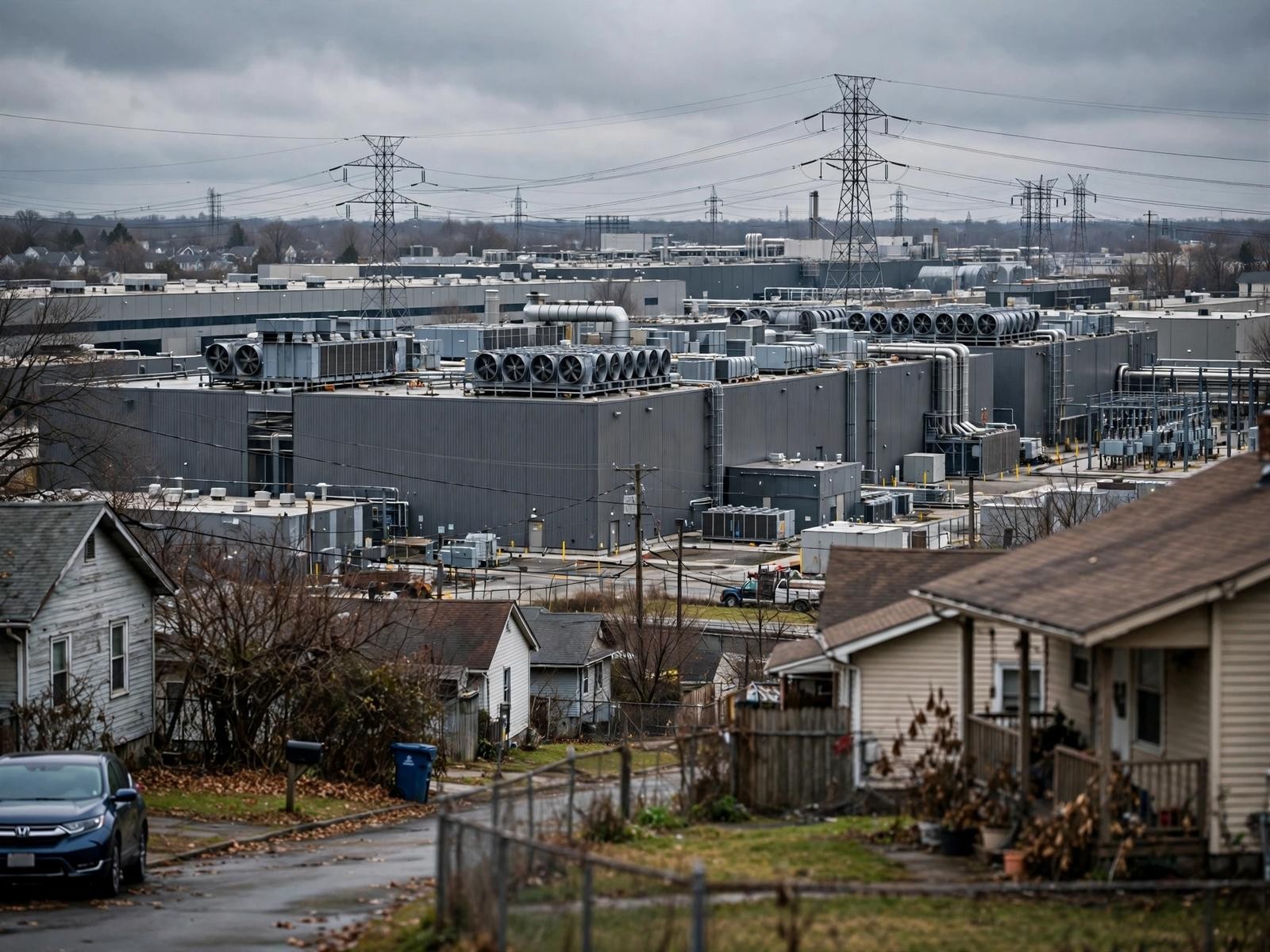
A Forward Deployed Engineer works right alongside the people who will actually use the system. For instance, Palantir engineers spent years working at Airbus factories, consolidating A350 assembly data into a single interface. This approach allows teams to quickly spot bottlenecks, write code, and immediately test solutions in real-world conditions.
Unlike traditional software engineers, FDEs face less direct threat of replacement from AI tools. Skills in client communication, deep process understanding, and driving solutions all the way to industrial deployment make these engineers exceptionally valuable to tech companies.
Read alsoAnthropic Plans IPO: Valuation Range and Market Debut DetailsInsights from OpenAI and other industry leaders
In mid-2025, around 15 OpenAI engineers worked alongside a major semiconductor company on test generation and bug-hunting scenarios. This collaboration reduced test preparation time by approximately 48%. Interestingly, the OpenAI team eventually discarded about 90% of their initial rough code, keeping only the refined business logic and insights gained from the client.
Other tech companies are adopting similar models. For instance, startup Serval added over 60 third-party integrations and a user feedback mechanism through its FDE team. This proves that frontline engineers can solve immediate customer issues while successfully feeding generalized features back into the core product.
Key skills and responsibilities of an FDE
Between the initial client meeting and the final launch, an FDE typically delivers four key types of work. First, the engineer dives into a specific customer workflow to identify pain points and establish baseline metrics. Next, they assemble a working version, integrate it into the user's daily tools, and agree on success criteria.
Post-launch support is equally critical: the engineer must check if anyone is still using the tool a week later, analyze failures, and collaborate with the product team to turn custom solutions into general features for future clients. This bridges systems integration, software development, and product management.
What this means for developers and IT businesses
For developers, the FDE role offers a promising career trajectory in a shifting job market. Although the total volume of such vacancies remains relatively small compared to traditional development, the demand for tech professionals who can bridge communication with business stakeholders is expanding.
For tech enterprises, adopting an FDE approach shrinks the gap between software development and actual user needs. Understanding real errors and operational workflows ensures that engineering teams build products that genuinely solve business challenges rather than merely showcasing new technologies.
Source: Все публикации подряд на Хабре