Global DRAM Revenue Surges 369% in Q3: Counterpoint Market Report
Global DRAM revenue jumped 369% YoY driven by AI demand. Samsung and SK hynix lead the market, while memory prices are expected to remain high through 2028.
·2 min read
Global DRAM revenue has recorded a massive 369% year-over-year increase in the third quarter, fueled by the insatiable demand for AI accelerators and data center infrastructure. The Average Selling Price (ASP) has climbed to $1.9 per gigabit as supply struggles to keep pace with the AI revolution.
- Market leaders: Samsung holds 38% share, followed by SK hynix at 29%.
- DDR and LPDDR demand surged by 500% and 400% YoY respectively.
- Micron maintains 21% market share, while CXMT holds 9%.
- High memory prices are expected to persist until at least 2028 due to supply constraints.
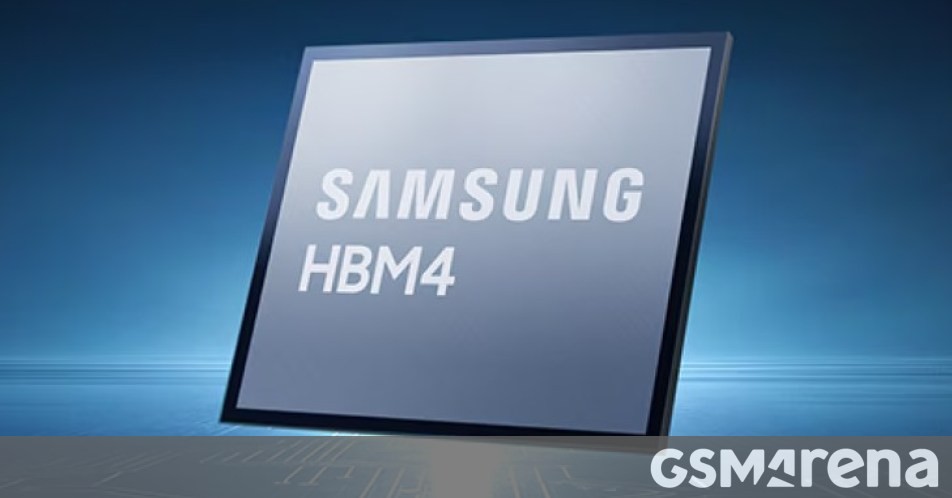
Market Dynamics and Competition South Korean manufacturers dominate the DRAM landscape. Samsung remains the top player with a 38% market share, while SK hynix commands 29%. Although SK hynix saw a robust revenue growth of over 40% quarter-over-quarter, Samsung is currently gaining momentum, particularly as the industry transitions toward HBM4, where Samsung holds a strategic lead. Micron, the US-based leader, holds the third position with 21%. China’s CXMT sits in fourth with 9%. While CXMT has shown growth, it faces challenges in the HBM sector, lagging behind rivals in the mass production of advanced HBM3E chips, which it expects to start next year.
The AI Impact on DDR and LPDDR The rise of agentic AI has significantly shifted demand toward standard DDR and LPDDR memory used in system architectures. Demand for these modules has skyrocketed by 500% and 400% respectively. Notably, CXMT has been the first to mass-produce the new LPDDR6 standard, already integrated into devices like the Xiaomi 18 Fold. While HBM remains the most profitable DRAM category with revenues doubling, standard system memory is growing at a faster rate. Price increases started to stabilize in Q3, but they are projected to remain high in the near term as the supply-demand imbalance continues.
Long-term Outlook for Tech Markets MS Hwang, Research Director at Counterpoint Research, warns that memory prices are unlikely to drop soon. Long-term agreements (LTAs) continue to support price levels, and supply will remain tight as major new manufacturing fabs are not scheduled to come online until 2028. For the global tech industry, this suggests that the high cost of memory will remain a critical factor in hardware procurement and budget planning for the coming years.
Source: GSMArena.com - Latest articles