GLONASS and Kosmicheskaya Svyaz test centimeter-accuracy positioning system
Kosmicheskaya Svyaz has successfully tested a high-precision positioning system for agricultural machinery based on GLONASS satellites with centimeter accuracy.
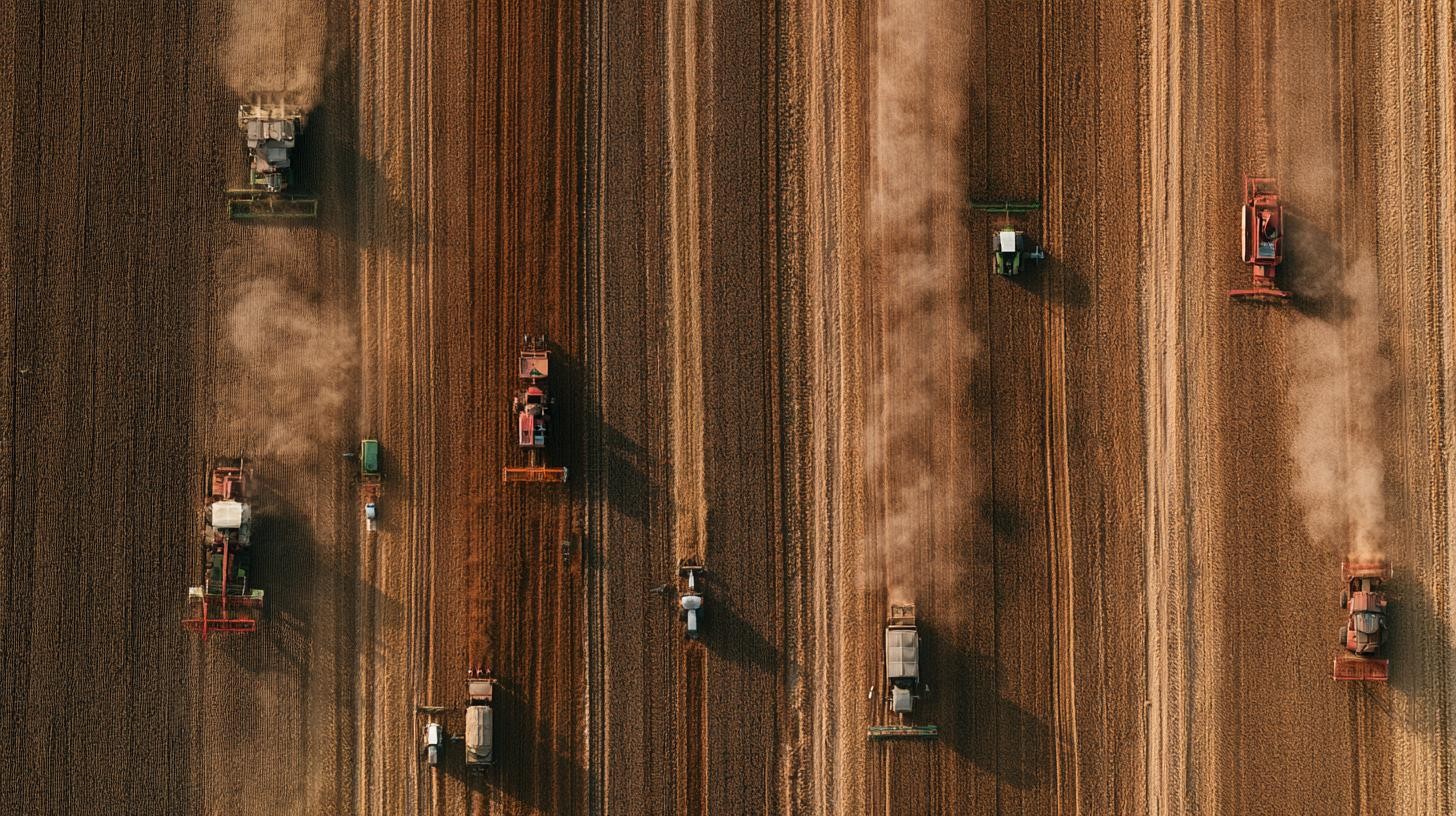
Russian company «Kosmicheskaya Svyaz» has successfully tested a high-precision positioning system for agricultural machinery using GLONASS satellites. The new development makes it possible to determine coordinates with an accuracy of up to several centimeters.
- Successfully tested a high-precision positioning system for agricultural machinery based on GLONASS.
- Coordinate accuracy reaches several centimeters without local ground infrastructure.
- CEO Alexey Volin announced that the technology is ready for commercial application.
- Scaling of the service is planned for 2030 with the launch of new satellites equipped with transponders.
Commercial readiness and technological advantages
In an interview with TASS, enterprise CEO Alexey Volin stated that the technology is already ready for commercial application. However, a wider distribution of the service requires an increase in available satellite resources.
The technology builds upon the GLONASS service, which previously provided decimeter accuracy across Russia without deploying local ground infrastructure. The new satellite resources are designed to boost positioning precision and allow broader adoption in agriculture.
Read alsoRussia operates over 100000 satellite modems nationwideFuture development and satellite launches by 2030
The next stage of the project's development will likely be tied to launching new spacecraft. In 2030, «Kosmicheskaya Svyaz» intends to orbit several satellites, one of which will feature an expanded payload with multiple transponders.
Volin believes this equipment will ensure the continuous operation of the high-precision positioning system and create the necessary conditions for its further scaling.
Significance for agriculture and the tech market
Achieving centimeter-level positioning accuracy is crucial for modern precision farming, allowing autonomous agricultural machinery to operate with minimal error and optimize resource consumption.
The ongoing expansion of satellite capabilities highlights the practical transition of advanced navigation technologies into widespread industrial exploitation, promising broader applications across different economic sectors.
Source: iXBT.com