Google Project Suncatcher AI satellite transmits its first response to Earth
Google's Project Suncatcher satellite, equipped with TPUs and the Gemma 4 model, has successfully generated and transmitted its first AI response from space.

Google's AI chip-equipped satellite has successfully generated and transmitted its first response from space. In a blog post on Friday, the company announced that it successfully booted up the satellite's Tensor Processing Units (TPUs).
- The satellite was launched into orbit earlier this month as part of the Project Suncatcher initiative.
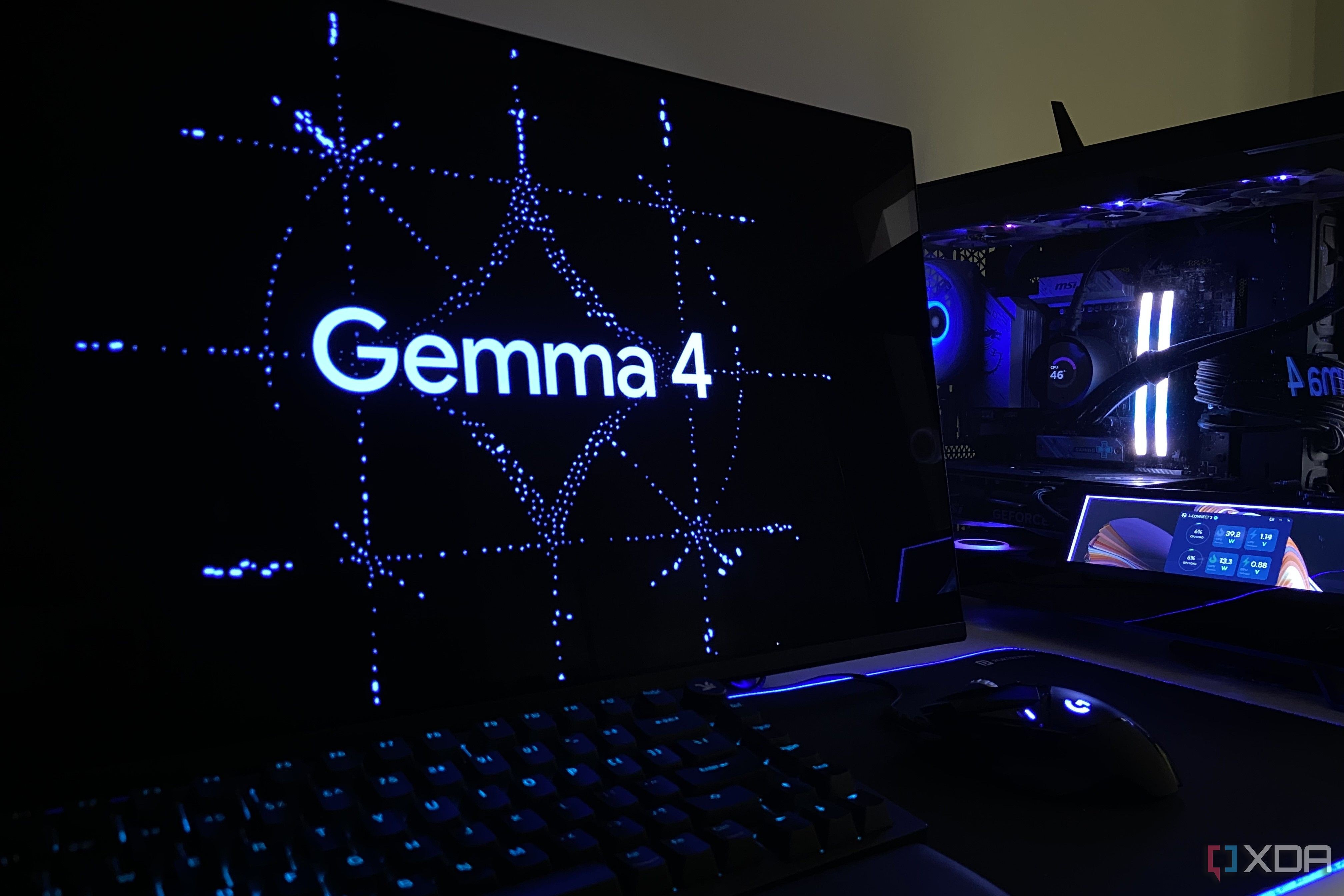
- The on-board Gemma 4 model successfully followed a prompt to create a space-themed haiku.
- Additional tests included space-themed limericks and telemetry prompt evaluations.
- Next steps involve testing TPU performance under thermal stress and orbital radiation.
Project Suncatcher and Space AI
This experimental test is part of Google's Project Suncatcher initiative, a visionary project that could eventually lead to placing artificial intelligence data centers directly in space. Successfully booting up Tensor Processing Units in orbit marks a major milestone for off-world computing.
During the recent tests, the satellite's on-board Gemma 4 language model received a prompt to write a haiku about being in space. The resulting lines about data streams and the blue marble below were successfully processed and transmitted back to Earth, alongside other telemetry prompts.
Read alsoOpenAI, Google and Microsoft back new standard for AI scraping opt-outFuture Testing and Orbital Roadmap
Google stated that the next phase of the project will involve a series of tests to evaluate how the TPUs perform under severe thermal stress and radiation exposure in orbit. Verifying that these chips can reliably execute workloads in space is crucial for the initiative.
Establishing the reliability of space-based TPU workloads paves the way for Google's next major milestone: launching a pair of interconnected satellites in 2027 to further expand orbital testing.
Industry Impact and Significance
Moving AI workloads and processing capabilities toward space infrastructure represents a fascinating frontier in modern technology. While still experimental, such advancements could redefine the future of global data distribution and high-performance computing capabilities.
Source: The Verge