Hackers breach European supermarket refrigerators and spike temperatures to 50C
A new wave of cyberattacks in Europe hits grocery stores as hackers remotely hack internet-connected refrigerators, spoiling food worth millions.
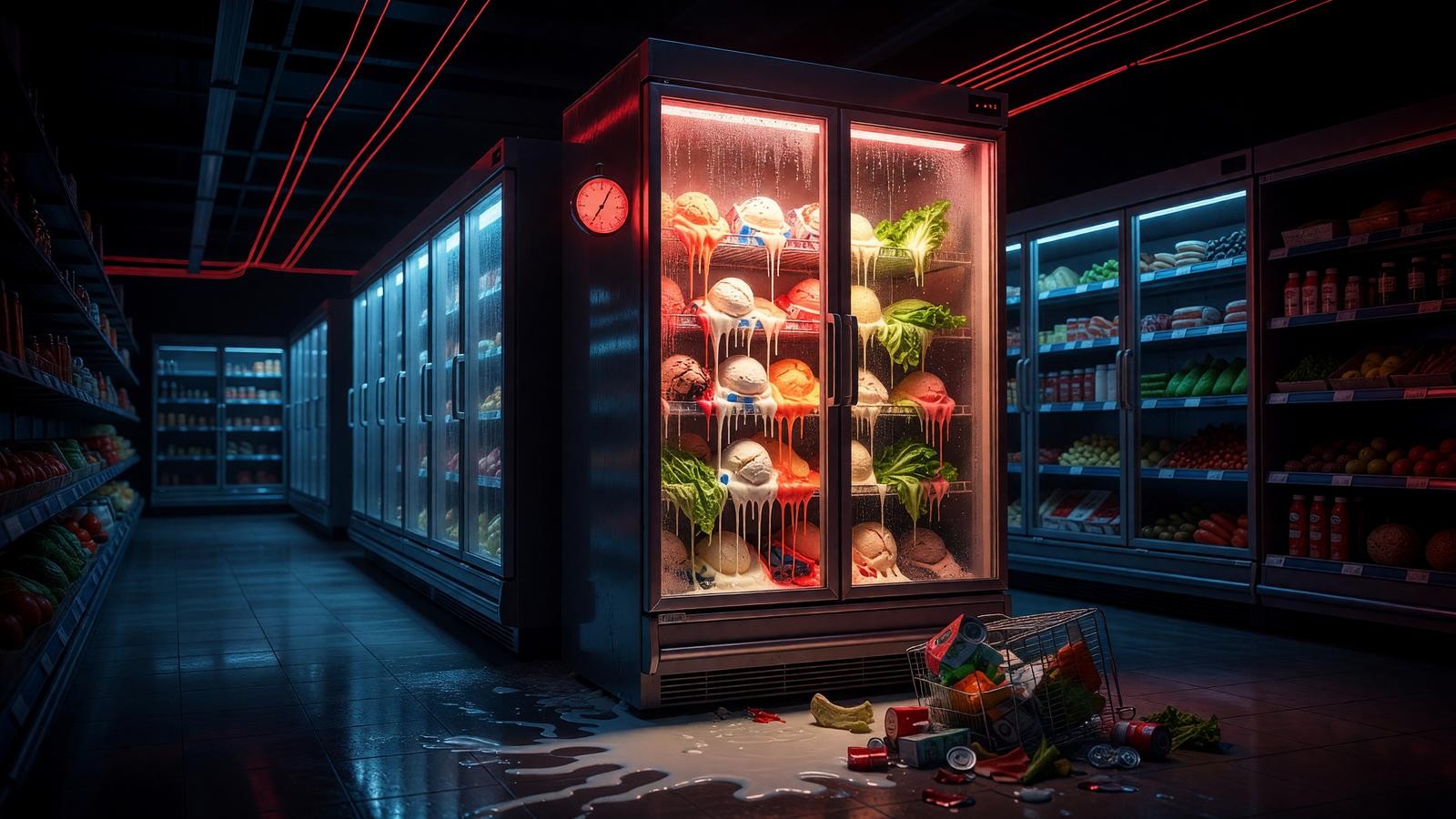
A fresh wave of cyberattacks targeting European grocery chains has resulted in the mass spoilage of perishable goods. Malicious actors remotely intervened in internet-connected industrial refrigerators and freezers, forcefully raising temperatures to critical levels.
- Cooling systems were hacked in supermarkets across Sweden, Belgium, Luxembourg, and Estonia.
- Sweden's Ica Kvantum reported temperatures being remotely raised to 50 degrees Celsius.
- A month prior, a similar attack in France destroyed food worth millions of euros.
Scope of the incident and affected retailers
Several major European retail networks have experienced digital sabotage. Sweden's Ica Kvantum supermarket reported that its refrigeration equipment was breached overnight, with temperatures remotely elevated to 50 degrees Celsius—a level critical and destructive for frozen and chilled goods.
A representative for the Coop chain confirmed unauthorized third-party access to cooling systems in a small portion of their stores. Meanwhile, Dutch retailer Ahold Delhaize, which operates dozens of locations in Belgium and Luxembourg, described the event as an IT incident that caused temperature settings in cooling units to change.
Read alsoReviving Vintage Airport Wind Meters With ESP32 TechAttack vector and smart equipment vulnerabilities
Modern refrigerators and freezers in large retail chains frequently feature internet connectivity for remote monitoring, maintenance, and emergency alerts. This exact functionality appears to be serving as the primary attack vector. While the full scale of the current incident remains unestablished, it continues a troubling trend.
A month earlier, a similar cyberattack struck hundreds of French supermarkets, with food spoilage losses estimated in the millions of euros. Additionally, unexplained freezing unit malfunctions at several US military bases have previously been linked to hacker activity.
Implications for food supply chains and business
These frequent incidents expose the growing vulnerability of food supply chains to cyber threats, where the fragility of smart logistics and storage equipment turns into a tool for direct economic sabotage.
Retailers and industry experts emphasize the urgent need to enhance the cybersecurity of IoT devices and industrial control networks to prevent further damaging incidents that threaten commercial supply stability and consumer safety.
Source: iXBT.com