How a local LLM nightly automation workflow saved me hours
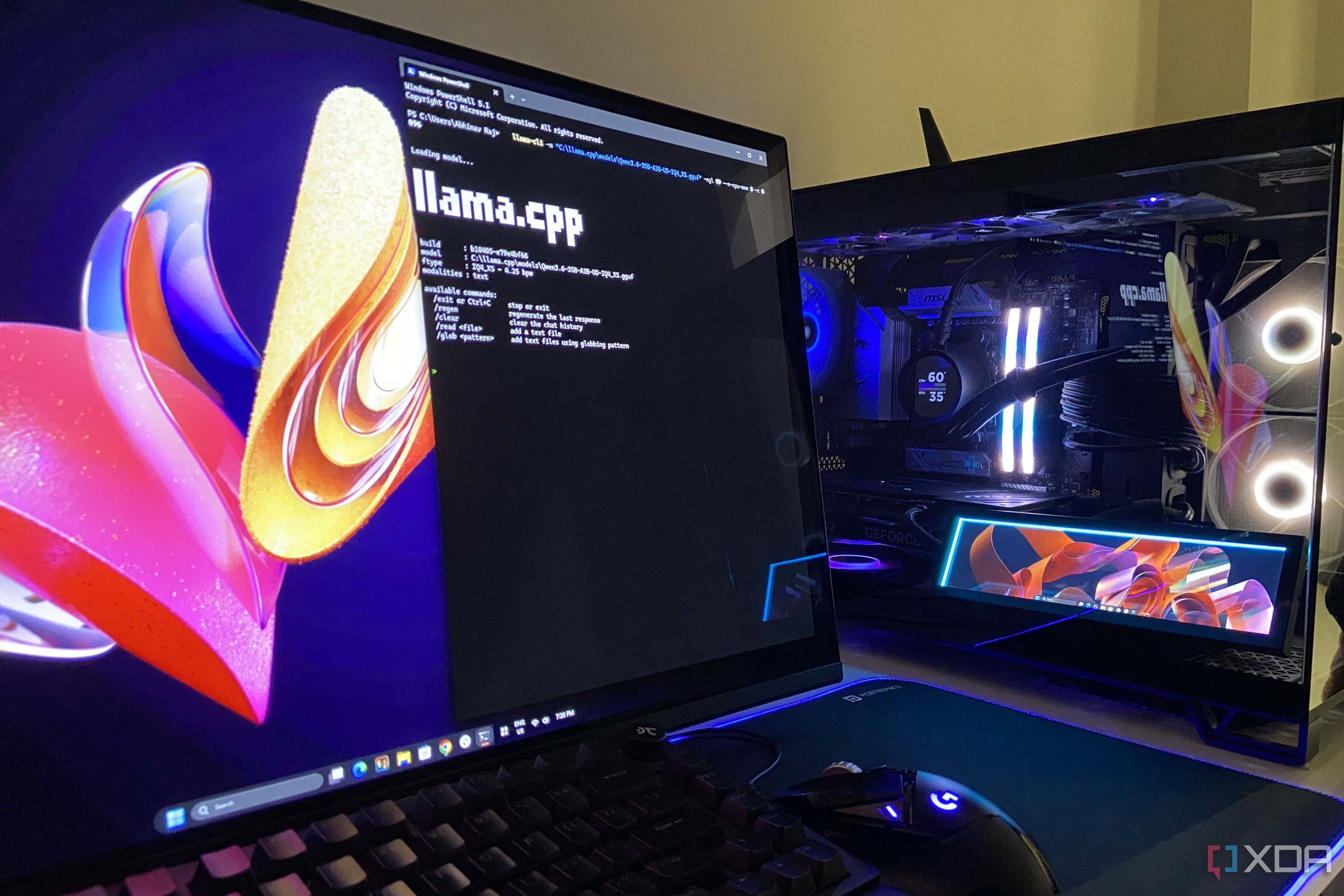
Running Qwen 3.5 9B locally via n8n to process emails and tasks every night creates a useful morning briefing without manual chat prompts.
·2 min read
Most interactions with local language models involve opening a chat window, typing a prompt, and waiting for a response. While interesting, this repetitive pattern rarely integrates smoothly into daily productivity workflows without manual effort.
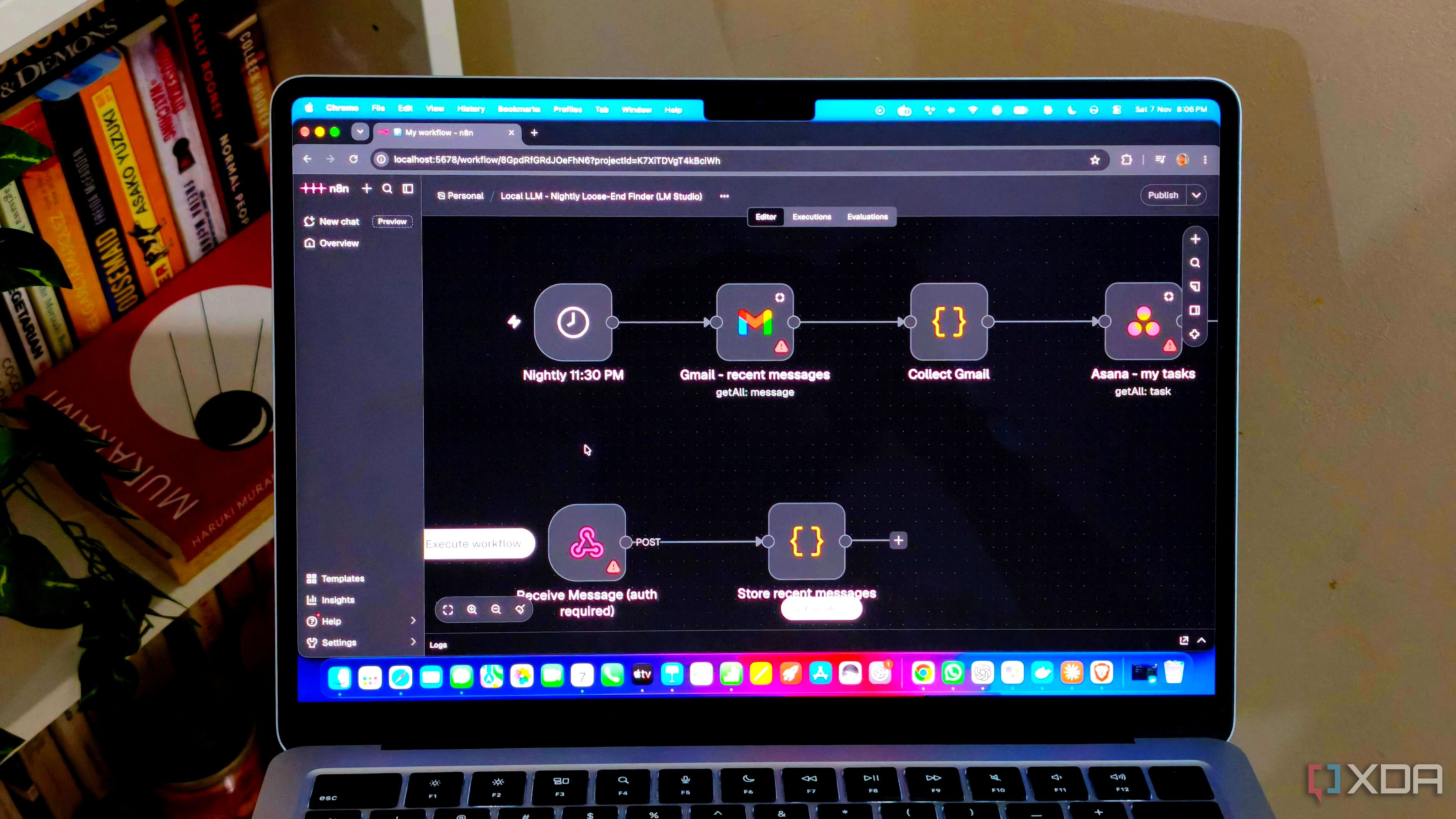
Key highlights of the local LLM automation setup: - Built using n8n running locally on a home server infrastructure. - Powered by the Qwen 3.5 9B language model running locally. - Executes a scheduled workflow every night to aggregate emails, messages, and tasks. - Delivers a prioritized, concise morning briefing directly to the inbox.
Automating the nightly briefing workflow Keeping track of commitments scattered across emails, chat messages, and project management tools like Asana is a constant challenge. Important follow-ups often slip through the cracks simply because checking everything manually every evening is tedious. To solve this, a scheduled workflow was created in n8n to pull information automatically every night. The workflow scans different communication channels to identify pending responses, approaching deadlines, and unfinished tasks without requiring any manual intervention.
Model constraints and safe execution The AI model is instructed to look specifically for commitments and structure the output rather than generating long paragraphs. This structured format helps n8n easily parse the data, remove duplicates, and format a clean daily briefing. Crucially, the workflow only reports information and does not automatically reply to messages or modify tasks. Preventing the LLM from taking autonomous actions protects against misinterpretations and potential context misunderstandings.
Why smaller local models shine in automation Expecting local models to handle complex programming or compete directly with massive cloud models often leads to disappointment. Smaller models require frequent prompt adjustments when assigned overly broad tasks. However, when integrated into well-defined automations with specific tools, smaller local LLMs prove their worth. Giving them recurring, focused jobs eliminates the need for manual prompts and unlocks practical value from local AI hardware.
Source: XDA