How to Extend Claude Pro Limits by Using Opus as a Project Manager
Stop hitting your Claude Pro weekly usage limits early. Learn how to use Opus for orchestration while delegating heavy coding tasks to smaller models.
·2 min read
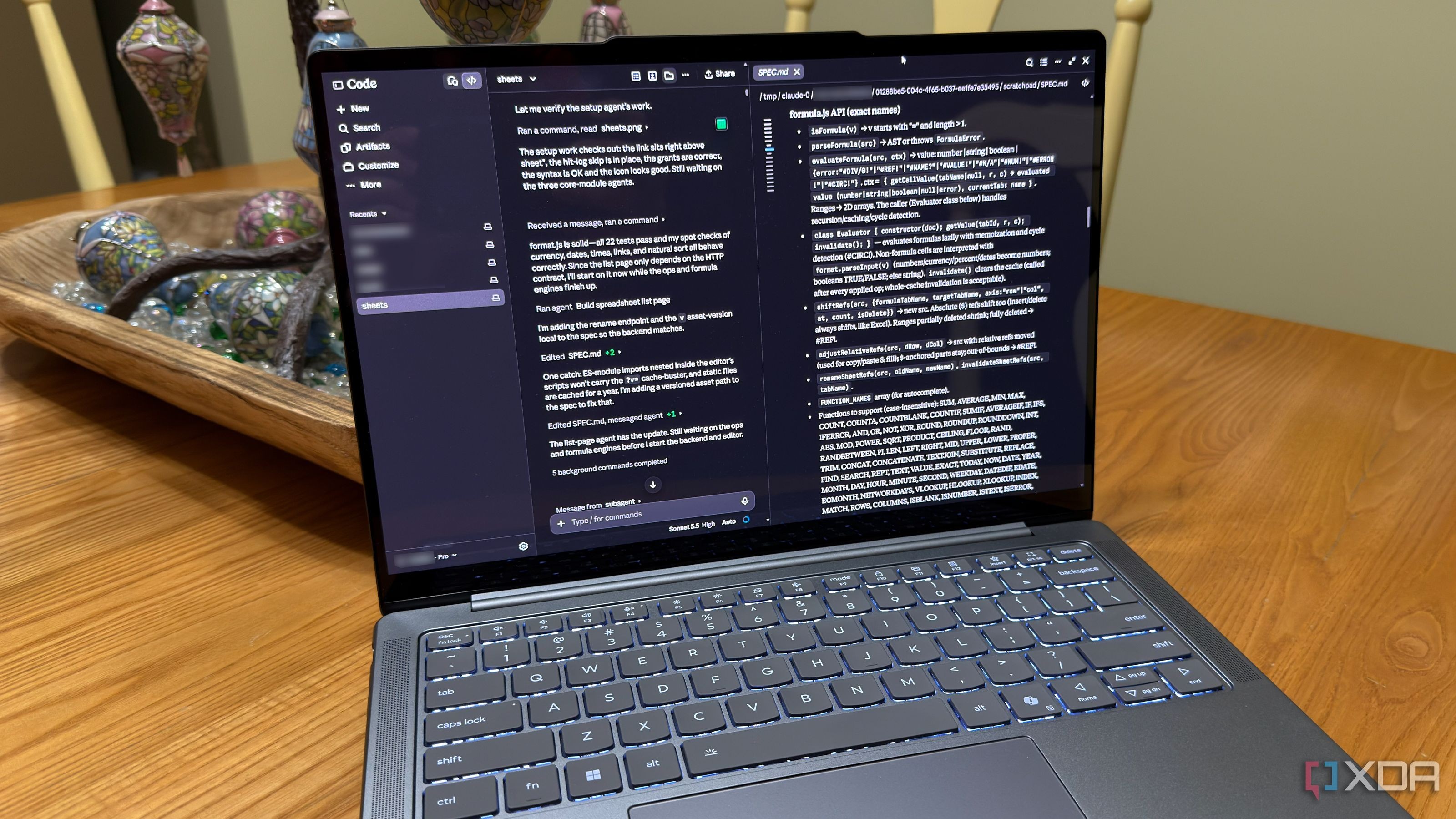
Many Claude Pro users find themselves hitting usage caps quickly when tackling large coding projects. While Claude 3 Opus is exceptionally capable, its high token consumption can stall development. By changing the workflow to treat Opus as a project orchestrator rather than a raw coder, you can significantly extend your available usage.
- Utilize Opus strictly for planning, architectural oversight, and task delegation.
- Delegate actual implementation and testing to Sonnet and Haiku models.
- Save usage credits by offloading heavy coding tasks to faster, lighter models.
- Manage complex, large-scale codebase builds within weekly limits.
The Orchestration Strategy The secret lies in prompting Opus to act as a project manager. By giving it a system instruction to spawn sub-agents for specific tasks instead of writing the code itself, you maintain high-level intelligence while avoiding the resource-heavy lifting that Opus normally performs. Opus breaks the project into phases, delegates them, verifies the results from the sub-agents, and performs final testing. This approach shifts the burden of token usage from the most expensive model to more efficient ones like Sonnet and Haiku. Opus acts as a supervisor, sitting back and waiting for reports, which minimizes its active token usage during the implementation phase of the project.
Handling Bugs and Iterations Once the main structure is built, you don't necessarily need the intelligence of Opus for minor bug fixes or tweaks. Using Opus for these small tasks often causes it to redundantly spawn new sub-agents, which can burn through your usage faster than necessary. For patch-level work, switching to a model like Sonnet 3.5 is far more efficient. By following this hierarchical structure—Opus for the big picture and Sonnet for granular fixes—you achieve the best of both worlds. You get the benefit of advanced reasoning for the core project architecture without hitting your weekly usage wall prematurely.
Why This Matters for Developers For developers, this workflow represents a shift from simple chatbot interactions to true multi-agent development. It proves that with the right supervision, smaller models are perfectly capable of handling substantial chunks of a large project. Adopting this strategy allows you to build more complex software using Claude as your primary development environment without constantly worrying about hitting that usage cap.
Source: XDA