Huawei HM650: The First Windows-Free Desktop PC Powered by HarmonyOS
Huawei has unveiled the HM650 desktop PC series running HarmonyOS and powered by Kirin X90 processors. Discover specs, models, and pricing.
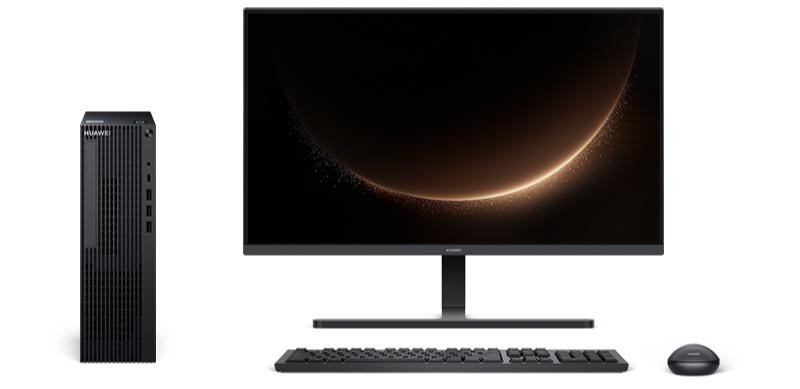
Huawei has officially introduced its new HM650 series of desktop computers, running on its proprietary HarmonyOS operating system. This launch marks a significant milestone for the company as these are the very first desktop PCs from the brand to completely bypass the Windows ecosystem, focusing entirely on homegrown hardware and software.
- The lineup includes the HM650, HM650g, and HM650g High-Performance Edition models.
- The computers are powered by the Kirin X90 system-on-chip with 8 or 10 cores.
- RAM configurations range from 16 GB to 24 GB, with sales starting on December 1st.
Hardware specifications and performance
All computers in the new lineup are built around the Kirin X90 single-chip system. The top-tier configuration offers a powerful 10-core processor, 24 GB of RAM, a 512 GB SSD, and a spacious 2 TB hard drive. This hardware combination is tailored to handle demanding multitasking and heavy commercial workloads with ease.
The base versions are equipped with either 8-core or 10-core Kirin X90 variants, paired with 16 GB of RAM and SSD storage ranging from 256 GB to 512 GB. Select configurations also feature an additional 1 TB HDD and built-in Wi-Fi capabilities, ensuring seamless network connectivity for office and enterprise environments.
Read alsoHuawei confirms third-party app installation for HarmonyOS PCs in 2026Configurations, pricing, and availability
The standard Huawei HM650 series is priced between 7,199 and 10,499 yuan (approximately $1,100–$1,500), while the more affordable HM650g series is valued at 6,899 to 7,699 yuan. Additionally, the HM650g High-Performance Edition featuring a 10-core Kirin X90, 16 GB of RAM, and a 512 GB SSD will cost 7,199 yuan.
Official sales in China are scheduled to begin on December 1st. The new desktops are primarily targeted at enterprise clients, corporate environments, and commercial applications where software and hardware independence is of utmost importance.
Source: iXBT.com