Tesla blames battery supply for flat sales, but its prices keep falling
Tesla claims that a shortage of batteries is holding back its car sales, reporting a massive backlog. However, analysts point out that the company's financial figures and falling prices contradict this narrative.
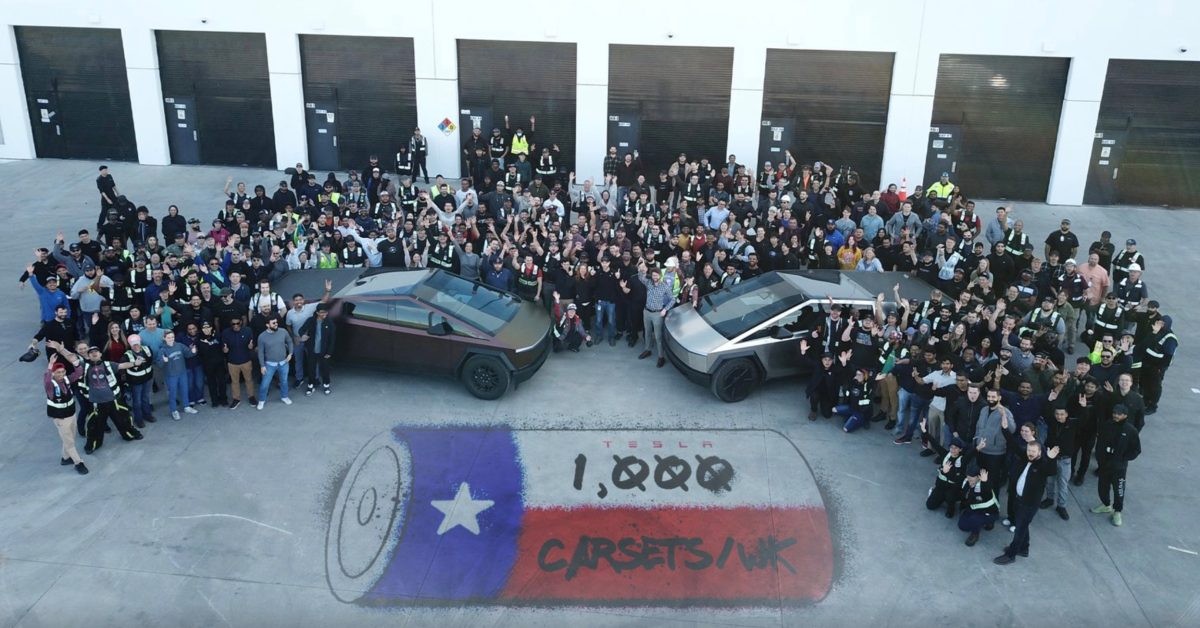
Electric vehicle manufacturer Tesla has stated that a shortage of battery supply, rather than a lack of consumer demand, is what is holding back its car sales growth. In its shareholder letter for the third quarter, the company explicitly wrote that battery availability continued to be the primary limiting factor in increasing overall auto volumes during the period.
The automaker also claimed that it ended the third quarter with the largest passenger vehicle backlog seen in four years. According to these assertions, the company has far more eager buyers than it has vehicles ready for delivery. However, critics and industry analysts note that the numbers presented in the exact same letter do not fully align with a scenario of overwhelming demand.
Interestingly, despite claims of component shortages and massive waiting lists, Tesla's vehicle prices continue to trend downward. In a traditional market where demand outstrips supply, prices usually remain stable or increase, making Tesla's current pricing strategy and market dynamics a subject of intense debate.
For international audiences and tech markets, including regions like Central Asia and the CIS where EV adoption is accelerating, these supply chain hurdles are crucial to monitor. Global production bottlenecks and pricing adjustments directly impact the broader automotive ecosystem and import trends worldwide.