Intel Wildcat Lake processors sold out due to high demand
Intel reports that its Wildcat Lake processor stock is completely exhausted as demand for budget chips continues to exceed supply.
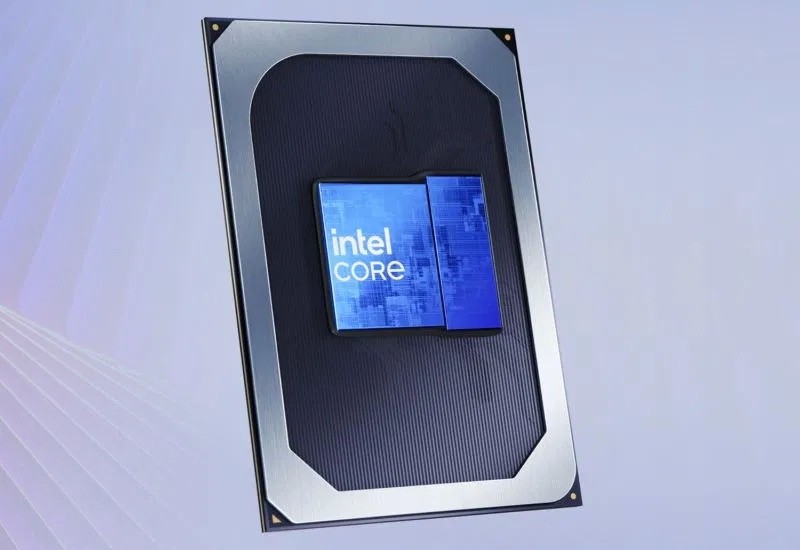
Intel Corporation has confirmed that demand for its budget-friendly Wildcat Lake processor series is significantly exceeding supply. CEO Lip-Bu Tan and CFO David Zinsner revealed that all available chips in this series have already been sold out amid a wider industry component shortage.
- Wildcat Lake demand has outpaced Intel's current production capacity.
- These budget chips are powering new, cost-effective Windows-based laptops.
- Intel expects memory shortages to persist through at least 2027–2028.
- Leadership sees a potential revival in the PC market despite supply chain bottlenecks.
Why Wildcat Lake is in High Demand
The surge in popularity for Wildcat Lake processors is largely driven by their competitive pricing. As the broader PC market struggles with rising costs due to memory and component shortages, these chips have become the go-to solution for manufacturers aiming to offer affordable laptops, such as the Dell XPS 13 and HP OmniBook 5 14.
However, analysts point out that to maintain low price points, many of these devices are limited to 8GB of RAM, which can be insufficient for modern Windows workflows. Despite this, the market has shown a strong appetite for these entry-level devices.
Read alsoIntel shares crash 23% as AI boom contrasts with severe PC market slumpMarket Outlook on Memory Constraints
Intel's executive team remains cautious about the supply chain landscape. CFO David Zinsner stated that they do not anticipate any significant improvement in memory availability in 2027, with stability not expected until at least 2028. This aligns with more bearish forecasts, such as those from SK hynix, which suggest potential shortages could last until 2030.
The scarcity is largely attributed to the massive demand for 'super-intelligence' technologies, which are consuming a disproportionate amount of global semiconductor manufacturing resources.
Implications for the Industry
For the global market, this trend indicates that the budget laptop segment will continue to face constraints on specifications over the coming years. While Intel's pivot to affordable chips is a strategic response to current market conditions, it signals that the industry is still navigating a complex supply-demand equilibrium. Intel remains optimistic that these efforts will contribute to a broader revival of the personal computing sector.
Source: 3DNews: